

AP World History- the Nations of G Flashcards
Terms : Hide Images
| 7978466732 | Gabon | Libreville |  | 0 |
| 7978466733 | The Gambia | Banjul |  | 1 |
| 7978466734 | Georgia | Tbilisi |  | 2 |
| 7978470360 | Germany | Berlin |  | 3 |
| 7978470361 | Ghana | Accra |  | 4 |
| 7978472181 | Greece | Athens |  | 5 |
| 7978472182 | Grenada | St. George's |  | 6 |
| 8045628676 | Guatemala | Guatemala City |  | 7 |
| 8045633241 | Guinea | Conakry |  | 8 |
| 8045636768 | Guinea-Bissau | Bissau |  | 9 |
| 8045646055 | Guyana | Georgetown |  | 10 |
AP World History Chapter 34 Vocab Flashcards
Terms : Hide Images
| 6495389053 | Adolf Hitler | Born in Austria, became a radical German nationalist during World War I. He became dictator of Germany in 1933. He led Europe into World War II. |  | 0 |
| 6495389054 | Albert Einstein | Physicist born in Germany who formulated the special theory of relativity and the general theory of relativity. |  | 1 |
| 6495389055 | Antisemitism | Prejudice against Jews |  | 2 |
| 6495389056 | Benito Mussolini | Fascist dictator of Italy (1922-1943). He led Italy to conquer Ethiopia (1935), joined Germany in the Axis pact (1936), and allied Italy with Germany in World War II. He was overthrown in 1943 when the Allies invaded Italy. |  | 3 |
| 6495389057 | Black Thursday | October 24, 1929; stock market crashes and almost 13 million shares are sold that day alone |  | 4 |
| 6495389058 | Chauvinism | Boastful devotion to one's country |  | 5 |
| 6495389059 | Dadaism | An artistic movement that had a purposely nonsensical name, expressing its total rejection of previous modern art. |  | 6 |
| 6495389060 | Eugenics | Science of improving a breed or species through selection of parents | 7 | |
| 6495389061 | 1st 5 Year Plan | Plan that doubled industrial output | 8 | |
| 6495389062 | FDR | 32nd President of the United States |  | 9 |
| 6495389063 | Great Purge | A campaign of terror directed at eliminating anyone who threatened Stalin's power |  | 10 |
| 6495389064 | John Maynard Keynes | British economist who argued that for a nation to recovery fully from a depression, the govt had to spend money to encourage investment and consumption |  | 11 |
| 6495389065 | Stalin | Russian leader who succeeded Lenin as head of the Communist Party and created a totalitarian state by purging all opposition |  | 12 |
| 6495389066 | Kulkas | Wealthy peasants. | 13 | |
| 6495389067 | National Socialism | A form of socialism featuring racism and expansionism | 14 | |
| 6495389068 | New Deal | A series of reforms enacted by the Franklin Roosevelt administration between 1933 and 1942 with the goal of ending the Great Depression. |  | 15 |
| 6495389069 | Pogrom | An organized massacre of a particular ethnic group, in particular that of Jews in Russia or eastern Europe. |  | 16 |
| 6495389070 | Freud | Austrian physician who approached psychology while trying to treat mental disorders, focused on the unconscious | 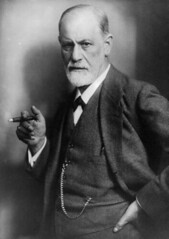 | 17 |
| 6495389071 | War Communism | A system introduced under Bolshevik rule after 1917 which involved land being seized and redistributed, factories given to the workers, banks being nationalized, and church property being granted to the state. This was enforced by the Cheka. | 18 | |
| 6495389072 | Xenophobia | Fear or hatred of foreigners |  | 19 |
Chapter 7 + 8 AP World History Vocab Study Guide Flashcards
Terms : Hide Images
| 7739815393 | American Web | Term used to describe a network of trade that linked parts of pre-Columbian Americas The web provided a means of exchange for luxury goods and ideas over large areas. | 0 | |
| 7739839933 | Angkor Wat | Largest religious structure in the premodern world, construction on the temple started in the early 1100s C.E. Built to express the Hindu understanding of the cosmos. | 1 | |
| 7740021393 | Black Death | The name given to a massive epidemic that swept over Eurasia in the fourteenth century. | 2 | |
| 7740040033 | Borobudor | The largest Buddhist monument ever built, ten-level monument with an elaborate caring program, est. ninth century. | 3 | |
| 7740087597 | Ghana, Mali, Songhay | Important states that developed in western and central Sudan in the period 500-1600 C.E. | 4 | |
| 7740239695 | Great Zimbabwe | A powerful state in Africa, it participated in the trading of gold. It flourished between 1250 and 1350 C.E. | 5 | |
| 7740335936 | Indian Ocean Trading Network | The worlds largest sea-based trading/exchange before 1500 C.E. | 6 | |
| 7740343108 | Thorfinn Karlsfeni | A wealthy merchant with a Norwegian Viking background, tried to establish a colony on the coast of what is now known as Canada. | 7 | |
| 7740353933 | Pochteca | Aztecs that were professional merchants. | 8 | |
| 7740367025 | Sand Roads | Term to describe routes of the trans-Sahara trade in Africa. | 9 | |
| 7740375974 | Silk Roads | Trade routes on land connecting Eurasia. | 10 | |
| 7740381473 | Swahili Civilization | A Malay kingdom that dominated the Straits of Malacca between 670 and 1025 C.E. Noted for the creation of native/Indian hybrid culture. | 11 | |
| 7740397701 | Tran-Saharan Slave Trade | Small-scale trade that developed in the twelfth century. It exported West African slaves and household servants when they had raids. | 12 | |
| 7740406852 | Xiongnu | Major nomadic confederacy that was established in 200 B.C.E. and eventually reached from Manchuria to Central Asia. | 13 | |
| 7740418564 | Hangul | A phoenetic alphabet developed in Korea in the fifteenth century. | 14 | |
| 7740429988 | Chu Nom | A variation of Chinese writing developed in Vietnam that became the basis for an independent national literature "southern script." | 15 | |
| 7740443398 | Bushido | The "way of the warrior," referring to the military virtues of the Japanese samurai, including bravery, loyalty, and an emphasis on death over surrender. | 16 | |
| 7740458367 | Hangzhou | China's capital during the Song dynasty, with a population of more than a million people. | 17 | |
| 7740466256 | Economic Revolution | A major economic quickening that took place in China under the Song dynasty marked by rapid population growth urbanization, economic specialization, the development of an immense network of internal waterway and a great increase in industrial production and innovation. | 18 | |
| 7740488949 | Tribute System | Chinese method of dealing with foreign lands and peoples that assumed that subordination of all non-Chinese authorities and required the payment of tribute-products of value from their countries - to the Chinese emperor (although the Chinese gifts given in return were often much more valuable). | 19 | |
| 7740510337 | Tang Dynasty | Ruling dynasty of China from 628 to 907; noted for it openness to foreign cultural influences. | 20 | |
| 7740520331 | Song Dynasty | Ruling dynasty of Chinese from 960-1279, notes from its rapid economic development. | 21 | |
| 7740527090 | Sui Dynasty | Ruling dynasty of China (581-618) that effectively reunited the country after several centuries of political fragmentation. | 22 |
Flashcards
AP World History Strayer Chapter 17 Vocabulary Flashcards
Terms : Hide Images
| 9056875598 | Steam Engine | *Definition:* External combustion engine where heat is used to raise steam. *Significance:* Allowed increased productivity and made Industrial Revolution possible (limitless source of power). |  | 0 |
| 9056875599 | Indian Cotton Textiles | *Definition:* Well made, inexpensive cotton textiles from India. *Significance:* Catalyst for British textile Industry to industrialize. |  | 1 |
| 9056875600 | Middle-class values | *Definition:* Frowned upon heavy drinking and women were fond of fashion, Education necessary. *Significance:* Characterised middle-class culture and respectability. | 2 | |
| 9056875601 | Lower Middle-class | *Definition:* Belief in fate, fortune, and good luck, dependent on peers rather than an individual. *Significance:* Service jobs that were more than 20% of Britain's population and gave women opportunity to work. |  | 3 |
| 9056875602 | Ellen Johnston | *Definition:* Working class female who labored and wanted to become a poet. *Significance:* Insight to women's lives in the 1800s for the middle class. |  | 4 |
| 9056875603 | Karl Marx | *Definition:* Founder of modern communism. *Significance:* Conclusion of capitalism as unstable and doomed, thus creating socialist and communist views. It would end the conflict of rich and poor. |  | 5 |
| 9056875604 | Labour Party | *Definition:* Political party formed in Great Britain focusing on multiculturalism, diversity, tolerance, protecting social welfare. *Significance:* Provided alternative to Marxism. |  | 6 |
| 9056875605 | Socialism in the United States | *Definition:* Socialist party grew in the 1900's, critiquing the economic system of the United States urged reform and endorsed small scale economy. *Significance:* Minor political movement and gained 6% votes in the election. | 7 | |
| 9056875606 | Progressives | *Definition:* Reformers who worked to stop unfair practices by businesses and improve the way the government works. *Significance:* Advocated reform measures to correct ills of industrialization (1750 - 1914). | 8 | |
| 9056875607 | Russian Revolution of 1905 | *Definition:* Spontaneous rebellion after defeating at hand of Japan 1905. *Significance:* It was suppressed but it forced the government to make substantial reforms. | 9 | |
| 9056875608 | Latin America Export boom | *Definition:* Large scale increase in exports (raw) to industrialized countries. *Significance:* Benefitted middle-class and upper-class. |  | 10 |
| 9056875609 | Mexican Revolution | *Definition:* Bitter and bloody conflict between middle-class Mexicans who joined with peasants and workers against dictator Porfirio Diaz. *Significance:* Created a new, more democratic political order. |  | 11 |
| 9056875610 | Dependent Development | *Definition:* Theory that poor countries can still develop economically, but only in ways shaped by reliance on wealthier countries. *Significance:* Term used to describe Latin America's economic growth dependent on European and North American prosperity and decisions. |  | 12 |
| 9056875611 | Luddites | destroyed many new machines that were new and more effective, threatening the livelihoods of the workers. Named after a mythological Robin Hood-like figure. Some who were suspected of being this were killed. In some ways predicted the future of industrialism and the demands of workers | 13 | |
| 9056875612 | caudillos | violent, enabled, military strongmen who achieved power as liberal and conservative factions fought in Latin America | 14 |
FULL 2017 AP WORLD HISTORY STUDY GUIDE Flashcards
All the packets In one sweet Quizlet
the charts are not included you're on your own for that part.
Terms : Hide Images
| 6783404133 | How did climate affect the agricultural revolution? | Climate has been a major factor in determining where people settled. People tended to settle in areas that had climates that accommodated agriculture and livestock | 0 | |
| 6783413573 | Basic foundations time periods were? | •*the Paleolithic age*: goes to about 12,000, BC during this time people were nomadic •*the Neolithic age*: 12,000- 8000BC, people settled down and civilizations began to emerge. •*River valley civilizations*:3500-1500BC •*classical civilizations*:1000 BC to 600 CE, major were Zhou & Han Greece & Rome and the Gupta empire. | 1 | |
| 6783439992 | What were common characteristics of the early river valley civilizations? | •complex irrigation systems •legal codes •money •art and written literature •more formal scientific knowledge, numbering systems, and calendars •intensification if social inequality. | 2 | |
| 6783469748 | What were Common characteristics of Classical civilizations? | •*Patriarchal family structures* •*Agricultural based economies*: despite having job specialization mist were farmers. •*complex governments*: because there were more people that meant they needed more complicated ways to govern however know the three didn't do it the same way. •*Expanding trade bases*: know they made it over Land and sea | 3 | |
| 6783503868 | What is The silk road | Overland trade route extended from western china across central Asia and finally to the Mediterranean area, Chinese silk Is what everyone wanted most, but Chinese were willing to trade it for some goods (horses from central Asia was a big one) *REMEMBER:* IT was not a single route just a path with common stops, and trade towns. No one traveled from start to finish of the silk road, but some products (silk) did. | 4 | |
| 6783533480 | What is the Indian ocean trade | Water route, more important in classical era, had three legs: one connected eastern Africa & middle east with India, another connected India to southeast Asia, and the last one linked southeast Asia to the Chinese port in canton. | 5 | |
| 6783584239 | What is the Saharan trade | Connected people who lived south of the Sahara to the Mediterranean and the middle east, Berbers were biggest agents of trade, they carried goods in camel caravans with Cairo at the mouth of the nile river they connected other trade routs so Cairo because a major trading city. | 6 | |
| 6783602001 | What is the Sub-Sahara trade | Most likely inspired by Bantu migration, and by the end of the classical era people south of the Sahara were connected to people in eastern, and southern parts of Africa. This trade connected the Indian ocean trade along the eastern coasts of Africa which connected people I south Africa to Cairo and India. | 7 | |
| 6783617124 | What were similarities with the fall of the classical era empires? | •attack from the huns •deterioration of political institutions •lack of protection/ maintenance at the borders •Diseases that follow the trade routes. | 8 | |
| 6783647598 | What were common consequences of the three collapses of the classical era civilizations | •trade was disrupted but survived, keeping intact the trends towards long distance contact. Trade in Indian ocean increased as a conflict and declined of political authority affected overland trade. •Religion importance increased as political authority decreased, in west, Christianity was left to slowly develop authority in people's lives. Buddhism quickly spread into china looking like a competition to Confucianism. •political disunity in the middle east forged the way for the appearance of a new religion in the seventh century by 600 CE Islam was in wings waiting to make it's entrance in the world | 9 | |
| 6786063112 | What were major events that caused changes in the world history frame leading up to 600-1450 as a period ? | •Islam emerges •industrial revolution in china (Sung dynasty) •Spread of neo-Confucianism (in china) •Schism in Christianity (split) •camels in Sahara (bigger trade) •The black death •Italian renaissance (began dominance of Europe in cultural | 10 | |
| 6786091729 | What new empires and political systems came in 600-1450 | •Tang Dynasty (618-906) •Mongols •caliphate systems •feudalism | 11 | |
| 6786268244 | Why do historians think the byzantine empire, the impact of Viking raids, The Christian crusades, The Mongolian empire, and Mamluk rule in Egypt created a new historical period? | •The byzantine held loads of different groups of people, used bureaucracy to succeed (tang also did this) •The Viking raids challenged Europe to better protect themselves, (began Europe feudalism) invaded large towns and cities •The crusades Europe traveled to the holy land creating a desire to eastern goods leads to exploration. •Mongolian empire were new group of invaders from monogolia under the leadership of ghenngis khan •Mamluk rule in Egypt (non arab slave in Egypt who overthrew Egyptians) | 12 | |
| 6786303402 | The Islamic world | •Islam was a unifying force in culture aspects of Eurasia and Africa-it was so similar to what everyone already did it just united them all under one thing. (**BE ABLE TO COMPARE THIS TO EUROPEAN CATHOLICISM**) •used caliphate and had a sultanate (think Aladdin) •Was huge on art science math and technology | 13 | |
| 6786406836 | What were interregional networks and contacts went over the trans Sahara trade? | •Gold ivory and slaves and spices from below the Sahara with salt cloth and metalware from the Sahara •Across the Sahara between north Africa and Europe beyond to west Africa •Aided the rise of African empires and kingdoms in west Africa and spread Islam through west Africa. | 14 | |
| 6786443197 | What went through the Indian ocean | •slaves, ivory, gold and iron from Africa, porcelain from china pottery from Burma, cloth from India •major route from east Africa to Asia was because of monsoons, traded with china through Arabs, Indian, Malayan, and Indonesians until 1400 when Chinese started directly trading •brought money/ trade to east Africa , Swahili (mix of Arabic and Bantu languages) brought Islam to coastal Bantu speakers. | 15 | |
| 6786481005 | What went through the silk routes. | •Silk and porcelain from china, woolen and linen cloth, glass, horses, ivory from other trading partners | 16 | |
| 6786563948 | What were some contact between major religions | •All of the had missionaries traveling through asia •Islam and Buddhism traded and had peace of each other's co-existence •Islam and Christianity had the Christian crusades and war. | 17 | |
| 6786585302 | What were the impact of the Mongols empires? | •created largest land empire in the world •spread other cultures •improved trade throughout Asia and eastern Europe •paper money, banking, and letters of credit •once conquered a peace was there for a while | 18 | |
| 6786601189 | What were the importance of the tang and song economic revolutions and the initiatives of the early Ming dynasty. | •paper money •mass production of tea •porcelain •silk •champa rice •Canton city in china because a major trading city •Exploration and trade (Zheng he) | 19 | |
| 6787769703 | Characteristics of the economic revolutions in tang and song dynasties were | •increasing agricultural production •increasing population •urbanization •technological innovations •financial inventions | 20 | |
| 6787802647 | How did china influence surrounding areas and it's limits? | •Japan: copied tang government, architecture, Buddhism; but did NOT believe in foot binding •Conquered most of Asia •Neo-Confucianism (*make sure to have why Neo-Confucianism came about*) | 21 | |
| 6788490704 | How was the restructuring of Europe after the fall of the roman empire politically socially economically? | •the church took over all aspects of life •European society was restricted As the pope as the religious authority •feudalism rises as main form as defense and government •kings and knights support pope's call for crusades •crusades take knights to middle east to fight •many kings become powerful | 22 | |
| 6788598897 | The division of Christendom into eastern and western Christian cultures | •the church was divided In 1054 over the issue of icons two churches emerged, Eastern orthodox and roman catholic. •after the schism the pope continued to be the head of the roman catholic church and was selected only by the cardinals. The byzantine emperor selected the patriarch | 23 | |
| 6788615360 | What were basic migrations of agricultural people ? | •Bantus were agricultural people who traveled throughout Africa, spread language, and had the slave trade network established. •various Germanic and slavs (not slaves slavs) moved throughout Europe caused political instability •increased agricultural and population puts strain on the environment. | 24 | |
| 6788630173 | What were the common consequences of the plague pandemics in the 14th century? | •kills massive amounts of people (30 percent) •Major changes in economic systems •Affects population centers •lawlessness | 25 | |
| 6788642713 | How was the growth and the role of cities affected in 600-1450? | •many cities became prominent due to trade (Canton, Samarkand, Timbuktu, Cairo, and Venice) •Centers of education •Cultural diffusion | 26 | |
| 6788653923 | What are the issues involved in using cultural areas rather than states as units if analysis | Many areas Such as Europe had large areas of boundaries such as farce studying states can be overwhelming because of the number of states involved. Cultural areas go over boundaries but provide the ability to study a culture rather than a state | 27 | |
| 6791154226 | Was there a world economic network Is 600-1450? | Yes, as far as the "know" world for different groups. Europe had world network in trade with Africa and Asia but because lack of ability there was not trade with the Americas or the south pacific islands. The Americans had a trade system for their know world but In the next time period world exploration and trade allowed for true world trade. | 28 | |
| 6791169940 | What were the common patterns in new opportunities available to the constraints placed on elite women during the 600-1450s ? | •Many women gained right to key dowry •managed households •supervised education of children •Cultural patrons • nuns | 29 | |
| 6791172266 | What were developments in political and social institutions in both eastern and western Europe | •In western Europe the catholic church was a major unifying force, when it wasn't in the east •Feudalism in the west. | 30 | |
| 6791193012 | What were the overall changes in 1450-1750? | •the world truly became global the west made contact With the east and wow dude •Maritime trade dominated the world (everyone wants that sea trade) •European kingdoms gained world power •Nomads were becoming a thing of the past •Labor systems were transformed •"Gunpowder empires" emerged in the middle east and Asia. | 31 | |
| 6788585461 | The ottoman empire | •Founded by Osman , the Ottoman empire included Turkish tribes from Asia minor. In 1453 they conquered Constantinople and ended the byzantine empire from Constantinople they launched raids into the Balkans of Europe. •Under Suleiman the magnificent the ottomans controlled land on three continents. They took land from Bagdad to Belgrade and laid siege to Vienna. (*the siege of Vienna was turning point in ottoman expansion and European unity to fight muslim expansion*) •Used extensive civil service and bureaucracy and maintained a large multiethnic empire for 600 years. •Huge army of mounted and foot solders, captured boys to become skilled solders. Slaves were used for labor •Most were Sunni however some were orthodox and jew empire was extremely diverse. Merchant class was very important. •Women had more equality than other areas including the right to own property. | 32 | |
| 6791251360 | Mughal empire | •continuation of Delhi sultanate •Land included modern day India Pakistan and Afghanistan •strong military required higher taxes •Military service rewarded by land grants (upset regional rulers) •Muslim authority over Hindus •Sikhism emerges in some areas (combination of Islam and Hinduism) •Limited trade •The taj mahal was built during this (Islamic building) | 33 | |
| 6791275129 | Tokugawa Japan | •Gunpowder empire •Run of shoguns •Less patient with Christians missionaries Chinese were more patient. | 34 | |
| 6791289331 | What were factors that weakened Ming china? | •Climate change (got colder everyone sick and agricultural bad) •Nomadic invasions (Mongols pulled a mcrx, Japanese attack Korea, forcing Ming to try to defend.) •Pirates •Decline in silk road (everyone wanted sea travel) •Inept rulers (the Dude that had no idea they were under attack until the enemy was literally climbing over the palace walls.) | 35 | |
| 6791345677 | The early Qing dynasty | The Manchus overthrew the Ming dynasty in 1644, where they were asked to fight off the Mongols, and after defeating the Mongols and Japanese they just decided to take china as there own. •Qing means pure, the empire was incredibly strong and used the mandate of heaven. •Still forbidden intermarriage between Chinese and them, and forced Chinese to shave the front of the head and keep the back long as a act of submission. | 36 | |
| 6791363682 | How was the cultural and intellectual life in china. | •Based on Chinese traditions •Neo-Confucianism •Civil service exams •Printing press increase the number of books, including novels which Confucian scholars condemned | 37 | |
| 6791379815 | Key European powers emerged during 1450-1750 they include? | •Portugal •Spain •England •France | 38 | |
| 6791388770 | Patterns of social and gender change during the 1450s to 1750s include? | •Major cities included Paris, London, Amsterdam •rise of bourgeois-middle class emerges •rising gap between the poor and everyone else •marriages take place later in life, less likely to be arranged, more freedom for women •women become more educated •Renaissance brings a new age of art and literature to Europe •reformation brings an end to unified European Catholicism | 39 | |
| 6791408085 | Russia | *For the APWH test Russia is considered non western* During 1450-1750 Russia converted to orthodox Christianity and began to contact the west. Peter the great mad it his goal to westernize Russia . He mandated westernized clothing, education, and military structures. Russia became a major power in world affairs. | 40 | |
| 6791421083 | Major results of interaction between Europeans and native Americans (*THINK COLUMBIAN EXCHANGE*) included | •Diseases: small pox measles influenza; Europeans got a worse form of syphilis •Animals: brought to America made more transportation and food •Crops: gave Europeans cash crops so they didn't starve, and had population increase. But they needed the population because plague epidemic wiped out so much •American colonies died because the diseases and European were brutal so tons of customs, cultures and people were lost. •The Columbian exchange ruined the soil, caused deforestation. •(Be aware of the little ice age which spread as far as china) | 41 | |
| 6791435861 | What were major events of 1750-1914 | •Europe and U.S became major player in world events •Beginning in early 1700s, Europeans truly had a hold on "colonies'' around the world. •world trading networks were dominated by the west but they still impacted the world. •Countries either have industrialization and economic development or didn't •Political, social, economic, revolutions swept the world during thus time period Enlightenment, America and French revolutions, Haitian revolution, industrial revolution, Rise of capitalism and Adam smith, unification of states (Germany, Italy, united states, nationalism, imperialism, colonialism) | 42 | |
| 6791522606 | Industrial revolution | •Began in great Britain because of economic and political stability, (spread like syphilis in a high school) •Russia and Japan had major government involved •most relied on laissez-faire and individual capitalists. Overall losers of the industrial revolution were the poor who gave the most labor but didn't get an equal share of new found wealth, and non westernized countries who lost their raw materials and were discouraged from industrialization. | 43 | |
| 6791583100 | What were changes and continuities in social and gender structure. | •growing population in rural areas and enclosure of land/large scale farming sends more labor to urban areas leading to increase in size of industrial working class in industrialized economies; young women recruited to work in textile factories; children work in factories as well until child labor laws later in the nineteenth century •Growing middle class due to industrialized economies' need for more white collar workers, including teachers for public education, when child labor laws enforce compulsory education; Women are recruited to teach young children in public schools. •Victorian cult of domesticity leads middle class women or those with middle class aspirations to imitate wealthy women by not working for pay; ideal is to have a servant at home to do domestic chores. •Nobility lose privileges in industrialized countries. | 44 | |
| 6791756127 | What pushed political revolutions, and independence movements? | •The influence of the enlightenment (everyone was questioning government, pushed the renaissance, scientific revolution, protestant reformation, everyone was thinking, and saying new ideas of government ad societies, and once Europe did it French had to do it too.) • New wealth of the bourgeoisie | 45 | |
| 6791781697 | Egypt | •Egypt was successful for a time in holding off the British empire under the leadership oh Muhammad Ali, who had fought against the Napoleonic armies, Egypt defeated the invading British army in 1807. As viceroy of Egypt Ali defeated the mamlukes and began to modernize Egypt. In 1811 he waged a war against the wahhabis (the same one Osama bin laden belongs to today) in 1818 his son Ibrahim pasha defeated the wahhabis. Muhammad Ali also conquered parts of Sudan and founded the city of Khartoum. Later Muhammad helped the ottoman sultan fight the Greek rebels and invade Syria to expand his empire. •in an effort to further advance Egypt Muhammad Ali sought international financing of a plan to create a canal along the Suez. Great Britain and France got the funding, so obviously there was conflict of who would control the canal and for the majority Egypt became controlled by the British. Ali's descendants held the title of kings of Egypt until 1952. | 46 | |
| 6791832275 | What were the major events of 1914-the present ? | •The 20th century is where the world got "smaller" •communication and transportation made it possible to connect every part of the globe even into outer space •The U.S came to dominate the world during the 20th century and our culture spread everywhere. Not every part of the globe felt comfortable with the Americanization of the world. American values can be interpreted as being based upon communism, greed, sex, and violence. Many societies veiwed this as in direct violation if their traditional values •The united states dominated the world economy and politically we became the richest country in the history of the world. In many cases our multinational corporations used cheap labor and cheap natural resources from the underdeveloped world to become extremely wealthy. •The 20th century has been the most violent century is history. | 47 | |
| 6792119418 | Some distinct characteristics of world war II were? | •worldwide participation everyone fought expect Afghanistan, Greenland, Iceland, Ireland, Mongolia, Portugal, Spain, Sweden, Switzerland, Tibet, Yemen •Technology even though airplanes, and tanks existed in WW I by WW II They dominated. •they always killed far more civilians unlike WWI they deliberately attacked wide urban cities in intend to torment population so the enemy would surrender. | 48 | |
| 6792223136 | Nationalist movements in Africa | •Senegal-Blaise Diane agitated for African participation in politics and fair treatment by the French army. •South Africa-western-educated natives founded the Africa national congress in 1909 to defend the interests of Africans •Ethiopia-Italy took over Ethiopia in the years leading up to WWII and emperor Haile Selassie led Ethiopia troops into his capital city to reclaim his title. Ethiopians and people of northern Africa responded to allied promises of liberation and helped the allies defeat the Germans that had occupied the area. | 49 |
AP World History Strayer Chapter 9 Vocabulary Flashcards
Terms : Hide Images
| 7857381234 | Qur'an | *Definition:* Islamic sacred book of Muhammad's life and message. *Significance:* The word of God that the Muslims believe and follow. |  | 0 |
| 7857381235 | Umma | *Definition:* The entire community of Muslims bound together by ties of religion. *Significance:* Goal of creating a just and moral society where all believers are community (equality). |  | 1 |
| 7857381236 | Pillars of Islam | *Definition:* (1) Allah is the one true God. (2) 5 daily prayers. (3) Charitable. (4) Fast of Ramadan. (5) Hajj. *Significance:* Rules followed every day. The lifestyle to be good and responsible as a Muslim. |  | 2 |
| 7857381237 | Hijra | *Definition:* Muhammad fled from Mecca to Medina. *Significance:* Other merchants didn't appreciate Muhammed, so he left to Medina (another holy place). He came back to Mecca to reconquer it later. |  | 3 |
| 7857381238 | Sharia | *Definition:* Islamic law based on teachings of the Qur'an. *Significance:* It's the foundation of Muslim Law and how Muslims live their lives (with the Ulama as the judge). |  | 4 |
| 7857381239 | Jizya | *Definition:* Poll tax paid by non-Muslims (minority groups) within Muslim empire. *Significance:* Allowed religious freedom through taxes. Christians and Jews were allowed within the empire because Muslims wanted more trading opportunities. |  | 5 |
| 7857381240 | Ulama | *Definition:* Doctors of Muslim religion and law. *Significance:* Religiously trained scholars and authorities to look to for Qur'an and Muslim faith. | 6 | |
| 7857381241 | Umayyad Caliphate | *Definition:* 2nd of the 4 major caliphates (rule/reign of chief Muslim ruler). *Significance:* Construction of Mosques to symbolize imperial power. It was short lived because of the favor of Arabs. |  | 7 |
| 7857381242 | Abbasid Caliphate | *Definition:* 3rd of the 4 major caliphates. *Significance:* Founded the city of Baghdad, the capital of the "Golden Age" (enlightenment and prosperity). |  | 8 |
| 7857381243 | Sufism | *Definition:* Mystical system of Sufis, an ascetic Muslim sect. *Significance:* Belief and practice in which Muslims seek to find divine love and knowledge through a direct personal relationship with God. (Response to the materialism of leaders). |  | 9 |
| 7857381244 | Al-Ghazali | *Definition:* Islamic thinker who was a scholar. He argued for rationale. *Significance:* He believed that rational philosophy alone could never enable believers to know about Allah. They must know in their heart. (Caused Sufism). |  | 10 |
| 7857381245 | Ibn Battuta | *Definition:* Visited West Africa and criticized the Muslim practices there. *Significance:* Detailed account of visits to Islamic lands, and documented travels. He provided insight. |  | 11 |
| 7857381246 | Timbuktu | *Definition:* Port city of Mal by the Niger River. *Significance:* Contained library and university. It was the center of Islamic religious and intellectual life. |  | 12 |
| 7857381247 | Mansa Musa | *Definition:* Ruler of Kingdom of Mali (Muslim) sought to expand kingdom for gold. *Significance:* He showed pride and ignorance of Islamic law. He elevated Mali's status in the Islamic world. |  | 13 |
| 7857381248 | al-Andalus | *Definition:* Chief site of Islamic encounter with Christian Europe (conquered by Arab and Berber forces). *Significance:* Muslims, Christians, and Jews contributed to culture. A place of harmony and tolerance (75% converted to Islam). |  | 14 |
| 7857381249 | Madrassas | *Definition:* (11th century) Formal colleges, offered more advanced instructions in Qur'an and sayings of Muhammad. It was the informal teachings with text memorization. *Significance:* Another way Ulama passed on teachings of the faith, and important knowledge of the faith. |  | 15 |
| 7857381250 | House of Wisdom | *Definition:* Baghdad, the center for research and translation of scientific, medical, and philosophical texts. *Significance:* Islamic ideas circled the world, and Greek information was being translated into Arabic. |  | 16 |
| 7857381251 | Ibn Sina | *Definition:* Writer in almost all fields of science and philosophy. *Significance:* Set standards for medical practice in Islamic and Christian worlds. Accurately diagnosed many disease and found treatments, and revolutionary writings. |  | 17 |
AP World History Chapter 13 Chinese Civilization: Tang and Song Dynasties Study Guide Flashcards
Terms : Hide Images
| 8547383326 | Yangdi | Second member of Sui dynasty; murdered his father to gain throne; restored Confucian examination system; responsible for construction of Chinese canal system; assassinated in 618 |  | 0 |
| 8547385501 | Li Yuan | (566-635) Also known as Duke of Tang; minister for Yangdi; took over empire following assassination of Yangdi; 1st emperor of Tang dynasty; took imperial title of Gaozu. | 1 | |
| 8547388313 | Chang'an | Capital of Tang dynasty; population of 2 million; larger than any other city in the world at the time |  | 2 |
| 8547389100 | Ministry of Rites | Administered examinations to students from Chinese government schools or those recommended by distinguished scholars | 3 | |
| 8547394098 | Jinshi | Title granted to students who passed the most difficult Chinese examination on all of of Chinese literature; became immediate dignitaries and eligible for high office | 4 | |
| 8547397151 | Pure Land Buddhism | Emphasized salvationist aspects of Chinese Buddhism; popular among masses of Chinese society |  | 5 |
| 8547404412 | Chan Buddhism | Known as Zen in Japan; stressed meditation and appreciation of natural and artistic beauty; popular with members of elite Chinese society |  | 6 |
| 8547405834 | Zen Buddhism | Known as Chan Buddhism in China; stressed meditation and the appreciation of natural and artistic beauty |  | 7 |
| 8547410175 | Empress Wu | Tang ruler 690-705 C.E. in China; supported Buddhist establishment; tried to elevate Buddhism to state religion; had multistory statues of Buddha created |  | 8 |
| 8547412150 | Wuzong | Chinese emperor of Tang dynasty who openly persecuted Buddhism by destroying monasteries in 840s; reduced influence of Chinese Buddhism in favor of Confucian ideology | 9 | |
| 8547415012 | Xuanzong | Leading Chinese emperor of the Tang dynasty who reigned from 713-755, although he encouraged overexpansion | 10 | |
| 8547417782 | Yang Guifei | (719-756) Royal concubine during reign of Xuanzong; introduction of her relatives into royal administration led to revolt |  | 11 |
| 8547421806 | Zhao Kuangyin | (r. 960-976) Founder of Song dynasty; originally a general following fall of Tang; took title of Taizu; failed to overcome northern Liao dynasty that remained independent |  | 12 |
| 8547444035 | Liao (lyow) Dynasty | Founded in 907 by nomadic Khitan peoples from Manchuria; maintained independence from Song dynasty in China |  | 13 |
| 8547445963 | Khitans | Nomadic peoples of Manchuria; militarily superior to Song dynasty China but influenced by Chinese culture; forced humiliating treaties on Song China in 11th century |  | 14 |
| 8547449871 | Zhu Xi | (1130-1200) Most prominent of neo-Confucian scholars during the Song dynasty in China; stressed importance of applying philosophical principles to everyday life and action |  | 15 |
| 8547452101 | neo-Confucians | Revived ancient Confucian teachings in Song era China; great impact on the dynasties that followed; their emphasis on tradition and hostility to foreign systems made Chinese rulers and bureaucrats less receptive to outside ideas and influences | 16 | |
| 8547457066 | Tangut | Rulers of Xi Xia kingdom of northwest China; one of the regional kingdoms during period of southern Song conquered by Mongols in 1226 | 17 | |
| 8547458418 | Xi Xia | Kingdom of Tangut people, north of Song kingdom, in mid-11th century; collected tribute that drained Song resources and burdened Chinese peasantry | 18 | |
| 8547460692 | Wang Anshi | Confucian scholar and chief minister of a Song emperor in 1070s; introduced sweeping reforms based on Legalists; advocated greater state intervention in society |  | 19 |
| 8547462145 | Jurchens | Founders of the Jin Kingdom that succeeded the Liao in northern China; annexed most of the Yellow River basin and forced Song to flee to the south | 20 | |
| 8547464383 | Jin | Kingdom north of the Song Empire; established by Jurchens in 1115 after overthrowing Liao dynasty; ended 1234 | 21 | |
| 8547467383 | Southern Song | Rump state of Song Dynasty from 1127-1279; carved out of the much larger domains ruled by the Tang and northern Song; culturally one of the most glorious reigns in Chinese history |  | 22 |
| 8547469895 | Grand Canal | Built in the 7th century during reign of Yangdi during Sui dynasty; designed to link the original centers of Chinese civilization on the north China plain with the Yangtze river basin to the south; nearly 1200 miles long |  | 23 |
| 8547475870 | Junks | Chinese ships equipped with watertight bulkheads, sternpost rudders, compasses, and bamboo fenders; dominant force in Asian seas east of the Malayan peninsula |  | 24 |
| 8547477997 | Flying Money | Chinese credit instrument that provided credit vouchers to merchants to be redeemed at the end of the voyage ; reduced danger of robbery; early form of currency | 25 | |
| 8547479139 | Li Bo | (701-762) Most famous poet of the Tang era; blended images of the mundane world with philosophical musings. The name is alternately spelled Li Po and Li Bai |  | 26 |
| 8603042470 | Footbinding | Practice in Chinese society of mutilating women's feet in order to make them smaller; produced pain and restricted women's movement; made it easier to confine women to the household; represented beauty and power |  | 27 |
AP World History Vocab Flashcards
Terms : Hide Images
| 8455848038 | adaptation | A changing to fit new conditions | 0 | |
| 8455848039 | administrative | Consists of those rules and procedures established by regulatory agencies. | 1 | |
| 8455848040 | Afro-Eurasia | The largest landmass on earth. Consist of Africa and Europe and parts of Asia. Africa, Europe, Asia, also known as the Old World | 2 | |
| 8455848041 | Agrarian | Concerning farms, farmers, or the use of land | 3 | |
| 8455848042 | animism | Belief that objects, such as plants and stones, or natural events, like thunderstorms and earthquakes, have a discrete spirit and conscious life. | 4 | |
| 8455848043 | array | 1. A large group of people or things | 5 | |
| 8455848044 | artisan | A person who is skillful with his/her hands A skilled craftsperson | 6 | |
| 8455848045 | austerity | Condition of lacking pleasure or luxury Great self-denial, economy, discipline; lack of adornment | 7 | |
| 8455848046 | autocracy | A system of government in which the power to rule is in the hands of a single individual | 8 | |
| 8455848047 | buoyed | float on surface of water | 9 | |
| 8455848048 | bureaucracy | A system of managing government through departments run by appointed officials | 10 | |
| 8455848049 | caesaropapism | Concept relating to the mixing of political and religious authority, as with the Roman emperors, that was central to the church versus state controversy in medieval Europe. | 11 | |
| 8455848050 | caravan | A group of traders traveling together | 12 | |
| 8455848051 | cartography | science or art of making maps | 13 | |
| 8455848052 | cash crop | a readily salable crop that is grown and gathered for the market (as vegetables or cotton or tobacco) | 14 | |
| 8455848053 | caste | A Hindu social class system that controlled every aspect of daily life | 15 | |
| 8455848054 | chattel slavery | Ownership of human beings; a system of bondage in which a slave has the legal status of property and so can be bought as sold like property. | 16 | |
| 8455848055 | civilization | A society with cities, a central government, job specialization, and social classes | 17 | |
| 8455848056 | classical period | Of or relating to a form or system considered if first significance in an earlier time; sets foundation of what's about to come | 18 | |
| 8455848057 | codification | The act or process of rendering laws in written form | 19 | |
| 8455848058 | coerced | to compel by force, intimidation, or authority | 20 | |
| 8455848059 | coercive labor | Any labor system that involves force (slavery, serfdom, and indentured labor) | 21 | |
| 8455848060 | colonial | Attempt by one country to establish settlements and to impose its political, economic, and cultural principles in another territory. | 22 | |
| 8455848061 | Columbian exchange | An exchange of goods, ideas and skills from the Old World (Europe, Asia and Africa) to the New World (North and South America) and vice versa. | 23 | |
| 8455848062 | Commercial | Relating to an interchange of goods | 24 | |
| 8455848063 | Commodities | Exports; raw materials or agri. Products and hey can be bought or sold | 25 | |
| 8455848064 | conduit | A means of transmitting information | 26 | |
| 8455848065 | Consequences | Effects that follow a response | 27 | |
| 8455848066 | consolidation | Combined and improve efficiency | 28 | |
| 8455848067 | continuity | Action that combines and improves efficiency | 29 | |
| 8455848068 | convergence | Coming together | 30 | |
| 8455848069 | corporal punishment | Any type of pain inflicted short of death; common methods include crucifixion, whipping, torture, mutilation, branding, and caning. Many tortures were used to extract a "confession" from the accused. | 31 | |
| 8455848070 | cross-cultural | investigates the similarities and differences in psychological functioning in and across various cultures and ethnic groups | 32 | |
| 8455848071 | Crusades | 1096 Christian Europe aim to reclaim Jerusalem and aid they Byzantines; 1st success and the rest a failure; weakens the Byzantines; opens up trade | 33 | |
| 8455848072 | cultivation | (agriculture) production of food by preparing the land to grow crops | 34 | |
| 8455848073 | dar al-Islam | an Arabic term that means the "house of Islam" and that refers to lands under Islamic rule | 35 | |
| 8455848074 | decentralized | To distribute the administrative functions or powers of (a central authority) among several local authorities | 36 | |
| 8455848075 | demographic | THE STATISTICAL STUDY OF HUMAN POPULATIONS WITH RESPECT TO THEIR SIZE, DENSITY, DISTRIBUTION, COMPOSITION, AND INCOME. | 37 | |
| 8455848076 | depletion | Process of allocating the cost of natural resources to periods when they are consumed and sold. | 38 | |
| 8455848077 | diaspora | A Greek word meaning 'dispersal,' used to describe the communities of a given ethnic group living outside their homeland. Jews, for example, spread from Israel to western Asia and Mediterranean lands in antiquity and today can be found in other places. | 39 | |
| 8455848078 | diffusion | Is the process by which a characteristic spreads | 40 | |
| 8455848079 | dispersed | distributed or spread over a considerable extent | 41 | |
| 8455848080 | dissemination | The act of spreading widely; scattering | 42 | |
| 8455848081 | distinctive | of a feature that helps to distinguish a person or thing | 43 | |
| 8455848082 | diversity | (n.) difference, variety; a condition of having many different types of forms | 44 | |
| 8455848083 | divine | Of, or pertaining to, God. | 45 | |
| 8455848084 | divinity | a god or goddess; a divine being | 46 | |
| 8455848085 | domestic | not international | 47 | |
| 8455848086 | domesticated | brought under human control; tamed or cultivated | 48 | |
| 8455848087 | economic revolution | growth of towns and the rise of a class of wealthy merchants in Europe; population remains mostly rural and poor; increased wealth of nation; creation of national identity | 49 | |
| 8455848088 | egalitarian | Affirming, promoting, or characterized by belief in equal political, economic, social, and civil rights for all people. | 50 | |
| 8455848089 | egalitarianism | A belief in the equality of all people | 51 | |
| 8455848090 | elite | (n.) the choice part of a group of people or things; (adj.) superior | 52 | |
| 8455848091 | empire | A group of states or territories controlled by one ruler | 53 | |
| 8455848092 | empirical | of an empire | 54 | |
| 8455848093 | enclave | (n.) an enclosed district, region, or area inhabited by a particular group of people or having a special character | 55 | |
| 8455848094 | endemic | belonging to a particular area; inherent | 56 | |
| 8455848095 | epidemic | A widespread outbreak of an infectious disease. | 57 | |
| 8455848096 | ethical | (adj.) Having to do with morals, values, right and wrong; in accordance with standards of right conduct; requiring a prescription for purchase | 58 | |
| 8455848097 | exalt | to raise high; glorify | 59 | |
| 8455848098 | exemplify | To illustrate by example; to serve as a good example | 60 | |
| 8455848099 | exploit | (v.) to make use of, develop; to make improper use of for personal profit; (n.) a feat, deed | 61 | |
| 8455848100 | facilitated | made easy; helped bring about, assisted | 62 | |
| 8455848101 | feudalism | A political system in which nobles are granted the use of lands that legally belong to their king, in exchange for their loyalty, military service, and protection of the people who live on the land | 63 | |
| 8455848102 | filial | Having to do with a son | 64 | |
| 8455848103 | filial piety | In Confucian thought, one of the virtues to be cultivated, a love and respect for one's parents and ancestors | 65 | |
| 8455848104 | financial | Fiscal | 66 | |
| 8455848105 | flora and fauna | all vegetation and animal life | 67 | |
| 8455848106 | flourish | N. AN EMBELLISHMENT OR ORNAMENTATION, V. MEANING TO GROW VIGOROUSLY, OR TO THRIVE | 68 | |
| 8455848107 | fluctuate | To change continually; to move up and down | 69 | |
| 8455848108 | foraging | the act of searching for food and provisions | 70 | |
| 8455848109 | fortification | A term used generally to describe the process of adding nutrients to foods, such as the addition of vitamin D to milk. | 71 | |
| 8455848110 | globalization | Actions or processes that involve the entire world and result in making something worldwide in scope | 72 | |
| 8455848111 | governance | divided government | 73 | |
| 8455848112 | hegemony | the domination of one state or group over its allies | 74 | |
| 8455848113 | Hellenistic | A cultural blend, under Alexander's policies, of Greek, Persian, Indian, and Egyptian. Koine was the popular spoken language used in these cities. | 75 | |
| 8455848114 | hemisphere | Half of a sphere | 76 | |
| 8455848115 | hierarchical | A form of diffusion in which an idea or innovation spreads by passing first among the most connected places or peoples. | 77 | |
| 8455848116 | imperial | A policy in which a strong nation seeks to dominate other countries poitically, socially, and economically. | 78 | |
| 8455848117 | implications | Possible conclusions | 79 | |
| 8455848118 | imposition | An unwelcome demand; a burden | 80 | |
| 8455848119 | indigenous | Living, growing, or produced naturally in a particular place; native | 81 | |
| 8455848120 | influx | a mass arrival or incoming | 82 | |
| 8455848121 | infrastructure | Fundamental facilities and systems serving a country, city, or area, as transportation and communication systems, power plants, and schools | 83 | |
| 8455848122 | innovation | An improvement of an existing technological product, system, or method of doing something. | 84 | |
| 8455848123 | integrate | To end separation of different races and bring into equal membership in society | 85 | |
| 8455848124 | intensification | The process of getting more in return for less. For example growing more food on a smaller plot of land. | 86 | |
| 8455848125 | interactions | All the living and nonliving relationships that exist with an ecosystem | 87 | |
| 8455848126 | interconnection | -people, countries, and the entire world are interconnected economically (one's decision to drink a cup of coffee traces back to coffee farmers in Colombia) | 88 | |
| 8455848127 | intercultural | Communication among people with differing cultural backgrounds | 89 | |
| 8455848128 | interior | Area away from the coast Cabinet department responsible for the management of public lands, wildlife, natural resources, and Native American affairs. Established in 1849 | 90 | |
| 8455848129 | interregional | Permanent movement from one region of a country to another. | 91 | |
| 8455848130 | kinship | A social bond based on common ancestry, marriage, or adoption | 92 | |
| 8455848131 | legitimize | To give credit or recognition to | 93 | |
| 8455848132 | lineage | Group claiming a common ancestor | 94 | |
| 8455848133 | linguistic | Study of Language | 95 | |
| 8455848134 | literary | appropriate to literature rather than everyday speech or writing | 96 | |
| 8455848135 | Mamluks | Under the Islamic system of military slavery, Turkic military slaves who formed an important part of the armed forces of the Abbasid Caliphate of the ninth and tenth centuries. Mamluks eventually founded their own state, ruling Egypt and Syria (1250-1517) | 97 | |
| 8455848136 | manifestation | an indication or sign of a condition | 98 | |
| 8455848137 | manorialism | An economic system based on the manor and lands including a village and surrounding acreage which were administered by a lord. It developed during the Middle Ages to increase agricultural production. | 99 | |
| 8455848138 | maritime | A humid air mass that forms over oceans. | 100 | |
| 8455848139 | mercantile | dealing with trade | 101 | |
| 8455848140 | mercantalism | Economic system of trading nations; belief that a nation's power was directly related to its wealth | 102 | |
| 8455848141 | metallurgy | The science and technology of metals (part of 1st agricultural rev.) technique or science of working or heating metals so as to give them certain desired shapes or properties. Predates plant and animal domestication (e.g., gold, silver, copper, tin, iron,...). | 103 | |
| 8455848142 | migration | Form of relocation diffusion involving permanent move to a new location. | 104 | |
| 8455848143 | missionary | A person of a particular faith that travels in order to recruit new members into the faith represented | 105 | |
| 8455848144 | monastic | A way of life in which men and women withdraw from the rest of the world in order to devote themselves to their faith | 106 | |
| 8455848145 | monasticism | A way of life in which men and women withdraw from the rest of the world in order to devote themselves to their faith | 107 | |
| 8455848146 | monetization | establishing something (e.g. gold or silver) as the legal tender of a country | 108 | |
| 8455848147 | monogamy | A form of marriage in which one woman and one man are married only to each other. | 109 | |
| 8455848148 | monopoly | (economics) a market in which there are many buyers but only one seller | 110 | |
| 8455848149 | monotheism | Belief in one god | 111 | |
| 8455848150 | monsoon | A regional scale wind system that predictably change direction with the passing of the seasons. These winds blow from land to sea in the winter, and from sea to land in the summer. In summer they are often accompanied with precipitation. | 112 | |
| 8455848151 | monumental | Massive, very great, very important | 113 | |
| 8455848152 | nascent | starting to develop; coming into existence | 114 | |
| 8455848153 | obligation | A legal or moral responsibility or duty | 115 | |
| 8455848154 | papacy | The central administration of the Roman Catholic Church, of which the pope is the head. | 116 | |
| 8455848155 | pastoralism | A type of agricultural activity based on nomadic animal husbandry or the raising of livestock to provide food, clothing, and shelter. | 117 | |
| 8455848156 | pathogen | A disease causing agent | 118 | |
| 8455848157 | patriarchal | Dominated by men | 119 | |
| 8455848158 | peopling | Immigration and Migration - Changes in birth, marriage, and death rates; life expectancy and family patterns | 120 | |
| 8455848159 | persist | refusing to give up | 121 | |
| 8455848160 | plague | (n.) an easily spread disease causing a large number of deaths; a widespread evil; (v.) to annoy or bother | 122 | |
| 8455848161 | polytheism | Belief in many gods | 123 | |
| 8455848162 | predate | come before | 124 | |
| 8455848163 | prestige | High standing; respect earned by accomplishments | 125 | |
| 8455848164 | proliferation | An increase in number, multiplication | 126 | |
| 8455848165 | propaganda | Ideas spread to influence public opinion for or against a cause. | 127 | |
| 8455848166 | prosperity | (noun) wealth, success | 128 | |
| 8455848167 | ravage | (v.) to destroy, lay waste, ruin; (n.) ruinous damage, destruction | 129 | |
| 8455848168 | reconnaissance | (n.) a survey made for military purposes; any kind of preliminary inspection or examinatio | 130 | |
| 8455848169 | reconstituted | reconstructed, reorganized | 131 | |
| 8455848170 | reformation | ..., a religious movement of the 16th century that began as an attempt to reform the Roman Catholic Church and resulted in the creation of Protestant churches | 132 | |
| 8455848171 | regional | An element in literature that conveys a realistic portrayal of a specific geographical locale, using the locale and its influences as a major part of the plot. | 133 | |
| 8455848172 | reign | (1793-94) during the French Revolution when thousands were executed for "disloyalty" | 134 | |
| 8455848173 | renaissance | 1350-1550; cultural/political movement that influence political reforms, literature, and the arts | 135 | |
| 8455848174 | revenue | An increase in owner's equity resulting from the operation of a business | 136 | |
| 8455848175 | reverence | Deep respect felt or shown towards a person on account of his or her position or relationship. | 137 | |
| 8455848176 | schism | (n.) a formal split within a religious organization; any division or separation of a group or organization into hostile factions | 138 | |
| 8455848177 | secular | Non-religious | 139 | |
| 8455848178 | Shamanism | A community Faith where the people followed Shaman - small and isolated - traditional religions | 140 | |
| 8455848179 | Social structure | How human beings are organized in a society. There is often a hierarchy (Rich, Middle Class, Poor as an example or Noble, Freeborn and Peasant as another) which forms layers—the most powerful on top, the less powerful towards the bottom. Feudalism is a social structure, with a King on top, a small layer of Nobles, a layer of Knights, a layer of Clergy (churchmen) and finally a large population of Peasants. | 141 | |
| 8455848180 | staple crops | Crops that are always needed | 142 | |
| 8455848181 | stimulated | Gave an incentive to | 143 | |
| 8455848182 | stratification | A structured ranking of entire groups of people that perpetuates unequal economic rewards and power in a society. | 144 | |
| 8455848183 | stratified | Arranged in a hierarchical order of society | 145 | |
| 8455848184 | subsequently | later; afterward; next | 146 | |
| 8455848185 | surplus | A situation in which quantity supplied is greater than quantity demanded | 147 | |
| 8455848186 | syncretic | Traditions that borrow from both the past and present | 148 | |
| 8455848187 | synthesized | made by bringing together different elements | 149 | |
| 8455848188 | tax farming | To generate money for territorial expansion rulers used new methods to get money like Tribute systems and _____ _____. Under this system the government hires private individuals to go out and collect taxes for them. | 150 | |
| 8455848189 | textiles | Fabrics that are woven or knitted; material for clothing | 151 | |
| 8455848190 | theocracy | A government controlled by religious leaders | 152 | |
| 8455848191 | trans | movement from one place to another | 153 | |
| 8455848192 | transformed | Changed in appearance given a completely different form or appearance | 154 | |
| 8455848193 | transoceanic | situated on the other side of the ocean; crossing the ocean | 155 | |
| 8455848194 | trans regional | across several geographic regions | 156 | |
| 8455848195 | tribute | Money paid for protection | 157 | |
| 8455848196 | unprecedented | Happening for the first time, never heard of before | 158 | |
| 8455848197 | urbanization | An increase in the percentage and in the number of people living in urban settlements. | 159 | |
| 8455848198 | vassal | (n.) a person under the protection of a feudal lord to whom he or she owes allegiance; a subordinate or dependent; a servant; (adj.) subservient | 160 | |
| 8455848199 | veneration | Honor, profound respect | 161 | |
| 8455848200 | vermin | Any of various small animals or insects that are pests | 162 |
Pages

Need Help?
We hope your visit has been a productive one. If you're having any problems, or would like to give some feedback, we'd love to hear from you.
For general help, questions, and suggestions, try our dedicated support forums.
If you need to contact the Course-Notes.Org web experience team, please use our contact form.
Need Notes?
While we strive to provide the most comprehensive notes for as many high school textbooks as possible, there are certainly going to be some that we miss. Drop us a note and let us know which textbooks you need. Be sure to include which edition of the textbook you are using! If we see enough demand, we'll do whatever we can to get those notes up on the site for you!
