AP Notes, Outlines, Study Guides, Vocabulary, Practice Exams and more!

AMSCO AP US History Chapter 18 Flashcards

AMSCO United States History 2015 Edition, Chapter 18 The Growth of Cities and American Culture, 1865-1900

Terms : Hide Images
9894375508causes of immigrationForces in the United States driving this process were (1) political and religious freedom, (2) economic opportunities in the western U.S. and cities, (3) large steamships offered relatively inexpensive transportation. (p. 361)0
9894375509old immigrantsThrough the 1880s, they came to the United States from northern and western Europe. They were mostly Protestant and had a high-level of literacy. (p. 361)1
9894375510new immigrantsFrom the 1890s to 1914, they came to the United States from southern and eastern Europe. Mostly non-Protestant, poor and illiterate. (p. 361)2
9894375561Statue of LibertyBegan in the 1870's, by the French sculptor Frederic-Auguste Bartholdi. It opened in New York Harbor, in 1886. (p. 362)3
9894375562Chinese Exclusion Act of 1882It was the first bill regarding immigration. It placed a ban on all new immigrants from China. (p. 362)4
9894375511Immigration Act of 1882In 1882, this act placed restrictions on the immigration of undesirable persons, such as paupers, criminals, convicts, and mentally incompetent. (p. 362)5
9894375512Contract Labor Act of 1885Restricted the immigration of temporary workers, to protect American workers. (p. 362)6
9894375513American Protective AssociationA nativist society that was prejudiced against Roman Catholics. (p. 362)7
9894375563Ellis Island 1892An immigration center opened in 1892 in New York Harbor. (p. 362)8
9894375514melting pot vs. cultural diversityThe historian's term, melting pot, refers to immigrants leaving their old-world characteristics and adopting the United States characteristics. Other historians argue that first-generation immigrants maintained their cultural identity and only the second and third generations were assimilated in the U.S. society. (p. 373)9
9894375515cause of migrationIn the late 1800s, forces driving Europeans to migrate to the United States were (1) Displaced farmworkers by political turmoil and mechanization, (2) Overcrowding due to population boom, (3) Religious persecution. (p. 361)10
9894375516streetcar citiesIn these cities, people lived in residences many miles from their jobs and commuted to work by horse-drawn streetcars. (p. 363)11
9894375517steel-framed buildingsSkyscrapers were made possible by this type of building. The first, was the Home Insurance Company Building in Chicago. It was made possible by a steel skeleton, Otis elevator, and central steam heating system. (p. 363)12
9894375518tenements, povertyAs rich people left residences near the business district, the buildings were often divided into small crowded windowless apartments for the poor. (p. 363)13
9894375519ethnic neighborhoodsDifferent immigrant groups created distinct neighborhoods where they could maintain their distinct identity. (p. 363)14
9894375520residential suburbsBy 1900, suburbs had grown up around every major U.S. city. the United States became the world's first suburban nation. (p. 364)15
9894375564political machines, bossPolitical parties in major cities came under the control of tightly organized groups of politicians, known as political machines. Each machine had its boss, the top politician who gave orders and doled out government jobs. (p. 364)16
9894375521Tammany HallA political machine in New York City, which developed into a power center. (p. 364)17
9894375522urban reformersUrban reformers stated more than 400 settlement houses in the cities. They provided services to help poor immigrants. (p. 365)18
9894375523City Beautiful movementIn the 1890s, this movement included plans to remake America's cities with tree-lined boulevards, public parks, and public cultural attractions. (p. 364)19
9894375565Henry GeorgeA San Francisco journalist who authored "Progress and Poverty" in 1879 that called to attention the failings of laissez-faire capitalism along with the wealth polarization caused by industrialization. (p. 365)20
9894375566Edward BellamyIn 1888, he wrote "Looking Backward", a popular book of social criticism that that envisioned a future that had eliminated poverty, greed, and crime. (p. 365)21
9894375524Jane AddamsIn 1889, she started Hull House in Chicago, which was a settlement house which provide help to immigrants. (p. 365)22
9894375525settlement housesThey provide social services to new immigrants. (p. 365)23
9894375526Social GospelIn the 1880s and 1890s this movement espoused social justice for the poor based on Christian principles. (p. 365)24
9894375567Walter RauschenbuschThe leading figure of the Social Gospel movement, and a New York City minister. (p. 365)25
9894375527Cardinal GibbonsA Roman Catholic leader who supported organized labor. (p. 366)26
9894375568Dwight MoodyHe founded Moody Bible Institute, in 1889. It helped generations of urban evangelists to adapt traditional Christianity to city life. (p. 366)27
9894375569Salvation ArmyImported from England in 1879, this charity provided the basic necessities of life for the homeless and the poor while also preaching Christian Gospel. (p. 366)28
9894375528family size; divorceFamily size continued to drop as more people moved from the farms to the cities. Children were needed to do work on farms, but in the city they did not provide that advantage. Divorce rates increased as the legal grounds for divorce became more lenient. (p. 366)29
9894375529Susan B. Anthony, NAWSAIn 1890, one of the founders of the National American Womens Suffrage Association (NAWSA), which worked to secure voting rights for women. (p. 366)30
9894375530Francis Willard, WCTULeader of the Women's Christian Temperance Union (WCTU) which advocated total abstinence from alcohol. (p. 367)31
9894375531Antisaloon LeagueIn 1893, this organization became a powerful political force and by 1916 had persuaded twenty one states to close down all saloons and bars. (p. 367)32
9894375532Carrie NationShe raided saloons and smashed barrels of beer with a hatchet. (p. 367)33
9894375533kindergartenIn the late 1800s, the practice of sending children to kindergarten became popular. (p. 367)34
9894375534public high schoolIn the late 1800s, there was growing support for tax-supported public high schools. (p. 367)35
9894375535college elective systemIn the late 1800s, colleges started reducing the number of required courses and offered more elective courses. These were courses students could choose, and this increased the number of foreign language and science courses. (p. 368)36
9894375536Johns Hopkins UniversityThis university was founded in Baltimore in 1876, the first to specialize in advanced graduate studies. (p. 368)37
9894375537new social sciencesNew fields such as psychology, sociology, anthropology, and political science emerged. (p 368)38
9894375538Richard T. ElyHe attacked laissez-faire economic thought as dogmatic and outdated and used economics to study labor unions and trusts. (p. 368)39
9894375570Oliver Wendell HolmesHe taught that law should evolve with the times and not be bound by previous precedents or decisions. (p. 368)40
9894375571Clarence DarrowA famous lawyer, he argued that criminal behavior could be caused by an environment of poverty, neglect, and abuse. (p. 368)41
9894375539W.E.B. Du BoisA leading black intellectual, he advocated for equality for blacks, integrated schools, and equal access to higher education. (p. 368)42
9894375540realism, naturalismMark Twain became the first realist author and his books often showed the greed, violence, and racism in American society. Authors known for their naturalism focused in how emotions and experience shaped human experience. (p. 369)43
9894375572Mark TwainThe first great realist author, he is famous for his classic "The Adventures of Huckleberry Finn". (p. 369)44
9894375573Stephen CraneHe wrote in the 1890s about the human condition. His books included "Maggie: A Girl in the Streets" and the "Red Badge of Courage". (p. 369)45
9894375574Jack LondonHe wrote about the conflict between man and nature in books such as "The Call of the Wild". (p. 369)46
9894375575Theodore DreiserThe author of "Sister Carrie". Notable for its naturalism and controversy, as it ran contrary to the moral undercurrents of 1900. (p. 369)47
9894375576Winslow HomerThe foremost American painter of seascapes and watercolors. (p. 369)48
9894375577Thomas EakinsSpecialized in the painting of the working class and used serial-action photographs to study human anatomy. (p. 369)49
9894375541ImpressionismA painting technique that originating in France. (p. 370)50
9894375578James WhistlerAn American expat, he painted Arrangement in Grey and Black, popularly known as Whistler's Mother. It was a quintessential example of his study of color rather than subject. (p. 370)51
9894375579Mary CassattAn American impressionist painter known as a portrait painter. She spent much of her life in France. (p. 370)52
9894375542Ashcan SchoolAround 1900, they painted scenes of everyday life in poor urban neighborhoods. (p. 370)53
9894375543Armory ShowA New York painting exhibit in 1913 that featured abstract paintings. (p. 370)54
9894375544abstract artNon-representational art, not accepted by Americans until the 1950s. (p. 370)55
9894375580Henry Hobson RichardsonHis architectural designs of the 1870s, based on the Romanesque style, gave a gravity and stateliness to functional commercial buildings. (p. 370)56
9894375545Romanesque styleThis architecture style featured massive stone walls and rounded arches. (p. 370)57
9894375581Louis SullivanHe rejected historical architecture and focused on tall, steel-framed office buildings. He focused on building a form that followed function. A member of the Chicago School. (p. 370)58
9894375546form follows functionThe form of the building flowed from its function. (p. 370)59
9894375582Frank Lloyd WrightThe most famous architect of the 20th century, he developed an organic style that made his buildings fit in with their natural surroundings. (p. 370)60
9894375547organic architectureAn architectural style in which the building was in harmony with its natural surroundings. (p. 370)61
9894375548Frederick Law OlmstedThe originator of landscape architecture, he designed Central Park and grounds of the U.S. Capitol. (p. 371)62
9894375549growth of leisure timeThe growth of leisure time activities was a result of the reduction of work hours, improved transportation, advertizing, and the decline of restrictive values. (p. 371)63
9894375583John Philip SousaHe wrote a series of popular marches played in small town bandstands across the country. (p. 371)64
9894375584jazz, blues, ragtimeA form of music that combined African rhythms and western-style instruments and mixed improvisation with a structured band format. (p. 371)65
9894375550Jelly Roll MortonA famous African American jazz musician from New Orleans. (p. 371)66
9894375585Scott JoplinA black composer notable for his contribution to ragtime. He sold over one million copies of his song "Maple Leaf Rag". (p 371)67
9894375551mass circulation newspapersLarge circulation newspapers had been around since 1830, but the first to exceed one million subscribers was Joseph Pulitzer's New York World. (p. 371)68
9894375586Joseph PulitzerHe established the first newspaper to exceed over one million in circulation by filling it with sensational stories of crime and disaster. (p. 317)69
9894375587William Randolph HearstA newspaper publisher whose introduction of large headlines and sensational reporting changed American journalism. (p. 371)70
9894375552Ladies Home JournalBy the 1880s, advertising and new printing technology lead to this magazine which sold for only 10 cents. (p. 371)71
9894375553circus trainsThe national rail network made possible traveling circuses. (p. 371)72
9894375554Barnum & Bailey, Greatest Show on EarthA traveling circus that was very popular. (p. 371)73
9894375555Buffalo Bill Wild West ShowWilliam F. Cody brought this show to urban populations. (p. 372)74
9894375556spectator sports, boxing, baseballIn the late 19th century professional sports started. (p.372)75
9894375557amateur sports, bicycling, tennisThese were late 19th century sports of the middle and upper classes. (p. 372)76
9894375558social class and discriminationIn the late 19th century, sports such as golf and tennis became popular with wealth members of athletic clubs. The very rich pursued polo and yachting. (p. 372)77
9894375559country clubs, golf, polo, yachtsThese were late 19th century sports of the wealthy. (p. 372)78
9894375560corner saloon, pool hallsIn the late 19th century, young single men often centered their lives around these establishments. (p. 372)79

AMSCO AP US History Chapter 23 Flashcards

AMSCO United States History 2015 Edition, Chapter 23 The Modern Era of the 1920s

Terms : Hide Images
9894407443Warren HardingIn November 1920, he was elected the 29th president of the United States. He was a Republican whose slogan was: "Return to Normalcy". His term was marked by scandals and corruption, although he was never implicated in any of the scandals. In August 1923, he died while traveling in the West. (p. 475-476)0
9894407444Charles Evans HughesA former presidential candidate and Supreme Court justice who was appointed secretary of state by President Warren G. Harding. (p. 476)1
9894407445Andrew MellonA Pittsburgh industrialist and millionaire who was appointed secretary of the treasury by President Harding in 1921 and served under Coolidge and Hoover. (p. 476)2
9894407446Harry DaughertyAttorney General under President Harding who accepted bribes for agreeing not to prosecute certain criminal suspects. (p. 476)3
9894407447Albert FallSecretary of the Interior during Harding's administration. He was convicted of accepting bribes for granting oil leases near Teapot Dome, Wyoming. (p. 476)4
9894407448Teapot DomeA government scandal involving a former United States Navy oil reserve in Wyoming that was secretly leased to a private oil company in 1921. (p. 476)5
9894407449Fordney-McCumber Tariff ActThis tariff passed in 1922, raised tariffs on foreign manufactured goods by 25 percent. It helped domestic manufacturers, but limited foreign trade, and was one cause of the Great Depression of 1929. (p. 476, 488)6
9894407450Bureau of the BudgetFormed in 1921, this bureau created procedures for all government expenditures to be placed in a single budget for Congress to annually review and vote on. (p. 476)7
9894407451Calvin CoolidgeAs vice president, he became president when Warren Harding died in August 1923. He won the presidential election of 1924, but declined to run in 1928. He was a Republican who believed in limited government. He summarized his presidency and his era with the phrase: "The business of America is business". (p. 477)8
9894407452Herbert HooverWhen Calvin Coolidge decide not to run for president in 1928, he was the Republican presidential nominee. He promised to extend "Coolidge Prosperity", and won the election. (p. 477)9
9894407453Alfred E. SmithHe was the Democratic presidential candidate in the 1928 presidential election. He was the former governor of New York and his opponent in the presidential race was Republican Herbert Hoover. As a Roman Catholic and opponent of Prohibition, he appealed to immigrant urban voters. (p. 477)10
9894407454business prosperityFrom 1919 to 1929, manufacturing output rose a spectacular 64 percent due to increased productivity, energy technologies, and governmental policy which favored the growth of big business. (p. 478)11
9894407455standard of livingDuring the 1920s, the standard of living (physical things that make life more enjoyable) improved significantly for most Americans. Indoor plumbing and central heating became commonplace. By 1930, two-thirds of all homes had electricity. (p. 477)12
9894407456scientific managementA system of industrial management created and promoted in the early twentieth century by Frederick W. Taylor. It emphasized time-and-motion studies to improve factory performance. (p. 478)13
9894407457Henry FordBy 1914, he had perfected a system for manufacturing automobiles using an assembly line. (p. 478)14
9894407458assembly lineIn a factory, an arrangement where a product is moved from worker to worker, with each person performing a single task in the making of the product. (p. 478)15
9894407459open shopA company with a labor agreement under which union membership cannot be required as a condition of employment. (p. 479)16
9894407460welfare capitalismAn approach to labor relations in which companies voluntarily offer their employees improved benefits and higher wages in order to reduce their interest in joining unions. (p. 479)17
9894407461consumerismIn the 1920s, consumerism was fueled by: homes with electricity, electrical appliances, affordable automobiles, increased advertising, and purchasing on credit. (p. 478)18
9894407462electric appliancesIn the 1920s, refrigerators, stoves, vacuum cleaners, and washing machines became very popular as prices dropped due to reduced production costs and as electrical power to run them became more available. (p. 478)19
9894407463impact of the automobileIn the 1920s, this product had the largest impact on society. It caused a growth of cities and suburbs, and workers no longer needed to live near their factories. It provided job opportunities and was a much more efficient way of transportation. (p. 479)20
9894407464jazz ageName for the 1920s, because of the popularity of jazz, a new type of American music that combined African rhythms, blues, and ragtime. (p. 480)21
9894407465radio, phonographsAllowed mostly young people to listen to recorded music. The first radio station went on the air in 1920. Previously, newspapers had been the only form of mass communications. (p. 480)22
9894407466national networksNationwide radio networks enabled people all over the country to listen to the same news, sports, soap operas, quiz shows and comedies. (p. 480)23
9894407467HollywoodThe movie industry was centered here. The industry grew rapidly in the 1920s. Sound was introduced to movies in 1927. By 1929 over 80 million movie tickets were sold each week. (p. 480)24
9894407468movie starsIn the 1920s, sexy and glamorous movie stars such as Greta Garbo and Rudolf Valentino we idolized by millions. (p. 480)25
9894407469popular heroesAmericans shifted role models from politicians to sports heroes and movie stars. Sports heros included Jack Dempsey, Jim Thorpe, Babe Ruth, and Bobby Jones. However, the most celebrated was Charles Lindbergh who flew from Long Island to Paris in 1927. (p. 480)26
9894407470movie palacesOrnate, lavish single-screen movie theaters that emerged in the 1910s in the United States. (p. 480)27
9894407471role of womenIn the 1920s, the traditional separation of labor between men and women continued. Most middle-class women expected to spend their lives as homemakers and mothers. (p. 480)28
9894407472Sigmund FreudAustrian psychiatrist who originated psychoanalysis. (p. 481)29
9894407473morals and fashionsIn the 1920s, movies, novels, automobiles, and new dances encouraged greater promiscuity. Young women shocked their elders by wearing dresses hemmed at the knee (flapper look), cutting their hair short, smoking cigarettes, and driving cars. (p. 481)30
9894407474Margaret SangerShe founded American Birth Control League; which became Planned Parenthood in the 1940s. She advocated birth control awareness. (p. 481)31
9894407475high school educationIn the 1920s, universal high school education became a new American goal. By 1930, the number of high school graduates had doubled to over 25 percent of school-age adults. (p. 481)32
9894407476consumer cultureIn the 1920s, many writers were disillusioned with the materialism of the business oriented culture. (p. 481)33
9894407477Frederick Lewis AllenIn 1931, he wrote "Only Yesterday", a popular history book that portrayed the 1920s as a period of narrow-minded materialism. (p. 489)34
9894407478Only YesterdayA 1931 history book that portrayed the 1920s as a period of narrow-minded materialism in which the middle class abandoned Progressive reforms, embraced conservative Republican policies, and either supported or condoned nativism, racism, and fundamentalism. (p. 489)35
9894407479Gertrude SteinAmerican writer of experimental novels, poetry, essays, operas, and plays. She called the disillusioned writers of the 1920s, a "lost generation". (p. 481)36
9894407480Lost GenerationGroup of writers in 1920s, who shared the belief that they were lost in a greedy and materialistic world that lacked moral values. Many of them moved to Europe. (p. 481)37
9894407481F. Scott FitzgeraldA novelist and chronicler of the jazz age. His wife, Zelda and he were the "couple" of the decade. His novel, "The Great Gatsby" is considered a masterpiece about a gangster's pursuit of an unattainable rich girl. (p. 481)38
9894407482Ernest HemingwayOne of the most popular writers of the 1920s, he wrote "A Farewell to Arms". (p. 481)39
9894407483Sinclair LewisAmerican writer of the 1920s. He became the first American to receive a Nobel Prize in Literature. (p. 481)40
9894407484Ezra PoundExpatriate American poet and critic of the 1920s. (p. 481)41
9894407485T. S. EliotThomas Stearns Eliot was an essayist, publisher, playwright, literary and social critic, and one of the twentieth century's major poets. (p. 481)42
9894407486Eugene O'NeillAn American playwright of the 1920s. (p. 481)43
9894407487industrial designThe fusion of art and technology during the 1920s and 1930s created the new profession of industrial design. (p. 482)44
9894407488Art DecoThe 1920's modernistic art style that captured modernistic simplification of forms, while using machine age materials. (p. 482)45
9894407489Edward HopperA twentieth-century American painter, whose stark realistic paintings often convey a mood of solitude and isolation in common urban settings. (p. 482)46
9894407490regional artistsThomas Benton and Grant Wood celebrated the rural people and scenes of the American heartland. (p. 482)47
9894407491Grant WoodAn American Regional artist who focused on rural scenes in Iowa. He is best known for his painting "American Gothic". (p. 482)48
9894407492George GershwinHe was the son of Russian-Jewish immigrants. He blended jazz and classical music to produce "Rhapsody in Blue" and folk opera "Porgy and Bess". (p. 482)49
9894407493northern migrationBy 1930, almost 20 percent of African Americans out of the Southern United States to the North. (p. 482)50
9894407494Harlem RenaissanceThe largest African American community of almost 200,000 developed in the Harlem section of New York City. It became famous in the 1920s for its talented actors, artists, musicians, and writers. This term describes this period. (p. 483)51
9894407495Countee CullenA leading 1920s African American poet from Harlem. (p. 483)52
9894407496Langston HughesA leading 1920s African American poet from Harlem. (p. 483)53
9894407497James Weldon JohnsonA leading 1920s African American author from Harlem. (p. 483)54
9894407498Claude McKayA leading 1920s African American poet from Harlem. (p. 483)55
9894407499Duke EllingtonA leading 1920s African American jazz great from Harlem. (p. 483)56
9894407500Louis ArmstrongA leading 1920s African American jazz trumpeter from Harlem. (p. 483)57
9894407501Bessie SmithA leading 1920s African American blues singer from Harlem. (p. 483)58
9894407502Paul RobesonA leading 1920s African American singer from Harlem. (p. 483)59
9894407503Back to Africa movementEncouraged those of African descent to return to Africa. (p. 483)60
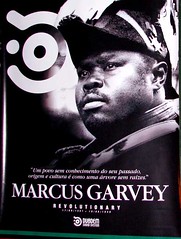
9894407504Marcus GarveyAfrican American leader during the 1920s who founded the Universal Negro Improvement Association and advocated mass migration of African Americans back to Africa. He was deported to Jamaica and his movement collapsed. (p. 483)61
9894407505black prideMany African American leaders agreed with Marcus Garvey's ideas on racial pride and self-respect. This influenced another generation in the 1960s. (p. 483)62
9894407506modernismThey took a historical and critical view of certain Bible passages and believed that they could accept Darwin's theory of evolution without abandoning their religion. (p. 483)63
9894407507fundamentalismA Protestant Christian movement emphasizing the literal truth of the Bible and opposing religious modernism (p. 483)64
9894407508revivalists: Billy Sunday, Aimee Semple McPhersonLeading radio evangelists such as Billy Sunday and Aimee Semple McPherson preached a fundamentalist message. (p 484)65
9894407509Scopes trialA 1925 Tennessee court case in which Clarence Darrow and William Jennings Bryan argued the issue of teaching evolution in public schools. (p. 484)66
9894407510Clarence DarrowA famed criminal defense lawyer, he defended John Scopes, a teacher who taught evolution in his Tennessee classroom. (p. 484)67
9894407511Volstead ActThe federal law of 1919 that established criminal penalties for manufacturing, transporting, or possessing alcohol. (p. 484)68
9894407512rural vs. urbanIn the 1920s, in the urban areas it was common to ignore the law and drink liquor in clubs or bars known as speakeasies. (p 484)69
9894407513organized crimeIn the 1920s, organized crime became big business, as bootleggers transported and sold liquor to many customers. (p. 484)70
9894407514Al CaponeA famous Chicago gangster who fought for control of the lucrative bootlegging (liquor) trade. (p. 484)71
989440751521st AmendmentThe amendment which ended the prohibition of alcohol in the United States, it repealed the 18th amendment. (p. 485)72
9894407516quota laws of 1921 and 1924Laws passed to limit immigration. (p. 485)73
9894407517Sacco and Vanzetti CaseA criminal case of two Italian men who were convicted of murder in 1921. They were prosecuted because they were Italians, atheists, and anarchists. After 6 years of appeals they were executed in 1927. (p. 485)74
9894407518Ku Klux KlanA secret society created by white southerners in 1866. They used terror and violence to keep African Americans from exercising their civil rights. (p. 486)75
9894407519Birth of a NationA popular silent film, which portrayed the KKK during Reconstruction as heros. (p. 486)76
9894407520blacks, Catholics and JewsThe KKK directed hostility toward these groups in the North. (p. 486)77
9894407521foreigners and CommunistsDuring the 1920s, widespread disillusionment with World War I, communism in the Soviet Union, and Europe's post war problems made Americans fearful of being pulled into another foreign war. (p. 486)78
9894407522disarmamentRepublican presidents of the 1920s tried to promote peace and also to scale back defense expenditures by arranging disarmament treaties (reduction in military equipment). (p. 486)79
9894407523Washington ConferenceA 1921 conference that placed limits on naval powers, respect of territory in the Pacific, and continued the Open Door policy in China. (p. 487)80
9894407524Five-Power Naval TreatyA 1922 treaty resulting from the Washington Armaments Conference that limited to a specific ratio the carrier and battleship tonnage of each nation. The five countries involved were: United States, Great Britain, Japan, France, and Italy. (p. 487)81
9894407525Nine-Power China TreatyA 1922 treaty affirming the sovereignty and territorial integrity of China as previously stated in the Open Door Policy. (p. 487)82
9894407526Kellogg-Briand TreatyThis treaty of 1928 renounced the use of force to achieve national ends. It was signed by Frank Kellogg of the United States and Aristide Briand of France, and most other nations. The international agreement proved ineffective. (p. 487)83
9894407527Latin America policyIn 1927, the United States signed an agreement with Mexico protecting U.S. interests in Mexico. (p. 487)84
9894407528war debtsDuring World War I the United States had loaned more than $10 billion to the Allies. After the war, the United States insisted that they pay back all the debt. Great Britain and France objected because they suffered much greater losses during the war than the United States. (p. 488)85
9894407529reparationsAs part of the Treaty of Versailles, Germany was ordered to pay $30 billion in reparations to the Allies. (p. 488)86
9894407530Dawes PlanA 1924 plan, created by Charles Dawes in which the United States banks would lend large sums to Germany. Germany would use the money to rebuild its economy and pay reparations to Great Britain and France. Then Great Britain and France would pay their war debts to the United States. After the 1929 stock market crash, the loans to Germany stopped. (p. 488)87

AP US History Period 3 (People A) Flashcards

Terms : Hide Images
9872042092Thomas PaineAmerican Revolutionary leader (born in England) and pamphleteer. Supported the American colonist's fight for independence and supported the French Revolution0
9872042095Nathaniel Greene"The Fighting Quaker". The number two man in the Continental Army. Led the army on many campaigns against the British forces.1
9872042096John JayFirst Chief Justice of Supreme Court. Played an important role in the establishment of the new government. Involved in drafting of the Constitution and The Federalist Papers.2
9872042097James Madison"Father of the Constitution". Author of the Constitution and Bill of Rights. Father of the Federalist party and the fourth President.3
9872042098Anti-federalistsPeople who opposed ratification of the Constitution4
9872042099John Locke17th century English philosopher. Opposed the Divine Right of Kings and asserted that people have a natural right to life, liberty, and property.5
9872042100John HancockAmerican revolutionary patriot who was president of the Continental Congress6
9872042101Thomas Jefferson3rd president of the United States. Designed the township system. Favored limited central government.7
9872042102George IIIBecame King of England in 1760, and reigned during the American Revolution8
9872042103Samuel AdamsAmerican Revolutionary leader and patriot. Founder of the Sons of Liberty and one of the most vocal patriots for independence; signed the Declaration of Independence9
9872042104PatriotsAmerican colonists who were determined to fight the British until American independence was won10
9872042105General BurgoyneBritish general appointed by King George III to crush the rebel forces11
9872042106General Cornwallis1783-1805 British military and political leader. Opposed the tax measures that led to the American Revolution. Led British forces during the American Revolution. Surrendered at Yorktown in 178112
9872042107Henry KnoxAmerican general who commanded Washington's artillery. Washington's Secretary of War.13

AMSCO AP US History Chapter 11 Flashcards

AMSCO United States History 2015 Edition, Chapter 11 Society, Culture, and Reform, 1820-1860

Terms : Hide Images
5353697957utopian communitiesOver one hundred of these experimental communities were started in this period. (p. 210)0
5353697958ShakersThis religious communal movement held property in common and and separated men and women. (p. 210)1
5353697959Amana ColoniesThis German religious communal movement in Ohio emphasized simple living. (p. 210)2
5353697960Robert Owen3
5353697961New HarmonyNonreligious experiment founded to solve problems of inequity and alienation caused by the Industrial Revolution. (p. 210)4
5353697962Joseph Humphrey NoyesHe started a cooperative community in Oneida, New York. They prospered by manufacturing silverware. (p. 210)5
5353697963Oneida CommunityCommunity started in 1848 dedicated to social and economic equality. They shared property and spouses. (p. 210)6
5353697964Charles Fourier phalanxesFrench socialist who advocated that people share working and living arrangements in communities. Wanted to solve problems of competitive society but Americans were too individualistic. (p. 210)7
5353697965Horace MannHe was the leading advocate of the public school movement. (p. 213)8
5353697966temperanceReformers targeted alcohol as the cause of social ills. shift from moral exhortation to political action in reform. Business leader and politicians supported it because it improved productivity of industrial workers. (p. 212)9
5353697967American Temperance SocietyFounded in 1826 by Protestant ministers and others, they encouraged total alcohol abstinence. (p. 212)10
5353697968WashingtoniansA temperance movement which argued that alcoholism was a disease that need practical helpful treatment. (p. 212)11
5353697969Women's Christian Temperance UnionThis organization was dedicated to the idea of the 18th Amendment - the Amendment that banned the manufacture, sale, or transportation of alcohol. (p. 212)12
5353697970asylum movementIn the 1820s and 1830s this movement for public asylums: wanted inmates cured of antisocial behavior by putting them in a good environment. included mental hospitals, schools for the blind and deaf, and penitentiaries. (p. 212)13
5353697971Dorothea DixA reformer and pioneer in the movement to treat the insane as mentally ill, beginning in the 1820's, she was responsible for improving conditions in jails, poorhouses and insane asylums throughout the U.S. and Canada. She succeeded in persuading many states to assume responsibility for the care of the mentally ill. (p. 212)14
5353697972Thomas GallaudetStarted a school for the deaf. (p. 213)15
5353697973Samuel Gridley HoweHe started a school for the blind. (p. 213)16
5353697974penitentiariesBuilding of new prisons to take the place of crude jails. Reflected a major doctrine, structure and discipline would bring about moral reform. (p. 213)17
5353697975Auburn systemA prison system in New York which enforced rigid rules of discipline, while also providing moral instruction and work programs. (p. 213)18
5353697976public school movementFree public schools for children of all classes. (p. 213)19
5353697977McGuffey readersElementary school textbooks that encouraged hard work, punctuality, and sobriety. (p. 213)20
5353697978American Peace SocietyA pacifist society founded on the principles of William Ladd. Merged societies from New Hampshire, New York, Maine, and Massachusetts.21
5353697979American Colonization SocietyIn 1817 this organization transported free slaves to African colony. This appealed to moderates, racists, and politicians. Only 12,000 people were settled in Africa. (p. 215)22
5353697980abolitionismThe Second Great Awakening led many Christians to view slavery as a sin. There were a wide range of views in the movement from gradual abolition to immediate abolition. (p. 214)23
5353697981American Antislavery SocietyThe organization founded in 1833 by William Lloyd Garrison and others. The advocate the immediate abolition of all slavery. (p. 215)24
5353697982William Lloyd Garrison; The LiberatorAn abolitionist who in 1831 started a publication, "The Liberator". He attacked everything from slave holding, to moderate abolitionists. (p. 215)25
5353697983Liberty partyIn 1840 this political party was formed in reaction to the radical abolitionists. They pledged to bring an end to slavery by political and legal means. (p. 215)26
5353697984Frederick Douglass; The North StarA former slave, in 1847 he started the antislavery journal, "The North Star". (p. 215)27
5353697985Harriet TubmanFamous abolitionist, born a slave, she assisted fugitive slaves to escape to free territory. (p. 215)28
5353697986David RugglesAn anti-slavery activist who was active in the New York Committee of Vigilance and the Underground Railroad. He claimed to have led over six hundred people, including friend and fellow abolitionist Frederick Douglass, to freedom in the North. (p. 215)29
5353697987Sojourner TruthUnited States abolitionist and feminist who was freed from slavery and became a leading advocate of the abolition of slavery and for the rights of women. (p. 215)30
5353697988William StillAfrican American abolitionist and author, he "The Underground Railroad" which chronicles how he helped 649 slaves escape to freedom via the Underground Railroad. (p. 215)31
5353697989David WalkerHe was a black abolitionist who called for the immediate emancipation of slaves. He wrote the "Appeal to the Colored Citizens of the World." It called for a bloody end to white supremacy. He believed that the only way to end slavery was for slaves to physically revolt. (p. 215)32
5353697990Henry Highland GarnetA radical abolitionist, who with David Walker, advocated the most radical solution to the slavery question. They argued that slaves should take action themselves by rising up in revolt against their "masters" (p. 215)33
5353697991Nat TurnerIn 1831 he led a slave rebellion in Virginia. This was the largest slave rebellion in which 55 whites were killed. (p. 215)34
5353697992antebellum periodThe period before the Civil War started in 1861. (p. 207)35
5353697993romantic movementIn early 19th century Europe, art and literature emphasized intuition and feelings, individual acts of heroism, and the study of nature. In America, similar themes were expressed by transcendentalists.36
5353697994transcendentalistsThey questioned the doctrines of established churches and business practices of the merchant class. Mystical and intuitive way of thinking to discover inner self and look for essence of God in nature. Artistic expression was more important than pursuit of wealth. They valued individualism and supported the antislavery movement. (p. 209)37
5353697995Ralph Waldo Emerson, "The American Scholar"Best known transcendentalist, his essays and lectures expressed the individualistic and nationalistic spirit of Americans. He urged self-reliance, and independent thinking. (p. 209)38
5353697996Henry David Thoreau, "Walden"Pioneer ecologist and conservationist. Advocate of nonviolent protest against unjust laws. (p. 209)39
5353697997Brook Farm; George RipleyAttempted communal experiment by Protestant minister George Ripley under transcendentalist ideals. Combination of intellectual and manual labor. (p. 207)40
5353697998feministsAdvocates of women's rights. (p. 214)41
5353697999Margaret FullerSocial reformer, leader in women's movement and a transcendentalist. Edited "The Dial" which was the publication of the transcendentalists.42
5353698000Theodore ParkerA theologian and radical reformer. (p. 210)43
5353698001George Caleb BinghamAn American realist artist, whose paintings depicted life on the frontier. (p. 211)44
5353698002William S. MountContemporary of the Hudson River school. He began as a painter of history but moved to depicting scenes from everyday life. (p. 211)45
5353698003Thomas ColeFounder of the Hudson River school, famous for his landscape paintings. (p. 211)46
5353698004Hudson River schoolFounded by Thomas Cole, the first native school of landscape painting in the U.S. It attracted artists rebelling against the neoclassical tradition, they painted many scenes of New York's Hudson River.47
5353698005Frederick ChurchCentral figure in the Hudson River School, pupil of Thomas Cole, known for his landscapes and for painting colossal views of exotic places. (p. 211)48
5353698006Washington IrvingAuthor, diplomat, wrote The Sketch Book, which included "Rip Van Winkle" and "The Legend of Sleepy Hollow," the first American to be recognized in England (and elsewhere) as a writer.49
5353698007James Fenimore CooperUnited States novelist noted for his stories of indians and the frontier life.50
5353698008Nathaniel HawthorneAuthor of "The Scarlet Letter", originally a transcendentalist but later became a leading anti-transcendentalist.51
5353698009Sylvester GrahamAn American dietary reformer who was ordained in 1826 as a Presbyterian minister. He is notable for his emphasis on vegetarianism and the Temperance Movement.52
5353698010Amelia Bloomera leader in the temperance and women's suffrage movements, remembered especially for her failed attempt to revolutionize women's clothing through the use of modified trousers under slightly shorter skirts53
5353698011Second Great AwakeningA religious movement that occurred during the antebellum period. A reaction against rationalism (belief in human reason) that offered opportunity of salvation to all. (p. 207)54
5353698012Timothy DwightPresident of Yale College, he helped initiate the Second Great Awakening. His campus revivals inspired many young men to become evangelical preachers. (p. 207)55
5353698013revivalism; revival camp meetingsReligious revivals that were a reaction against the rationalism of the Enlightenment. A populist movement that was part of the Second Great Awakening. (p. 207)56
5353698014millennialismA popular belief of the time that the world was about to end with the second coming of Jesus Christ. (p. 208)57
5353698015Church of Jesus Christ of Latter-Day Saints; MormonsFounded by Joseph Smith in 1830. It was based on the Book of Mormon which traced a connection between the American Indians and the lost tribes of Israel. After Joseph Smith was murdered, Brigham Young led the group to establish the New Zion on the Great Salt Lake in Utah. (p. 208)58
5353698016Joseph SmithFounded the Church of Jesus Christ of the Latter-Day Saints in New York in 1830. The church moved to Ohio, Missouri, then Illinois. (p. 208)59
5353698017Brigham YoungAfter Joseph Smith was killed, he led the church to Utah. (p. 208)60
5353698018New ZionThis was the religious community established by the Mormons on the banks of the Great Salt Lake in Utah. (p. 208)61
5353698019women's rights movementWomen reformers resent the men for regulating their secondary roles in reform movements62
5353698020cult of domesticityAfter industrialization occurred women became the moral leaders in the home and educators of children. Men were responsible for economic and political affairs. (p. 214)63
5353698021Sarah Grimke, Angelina GrimkeTwo sisters, born in South Carolina, they joined the abolitionist movement and fought for women's rights. (p. 214)64
5353698022Letter of the Condition of Women and the Equality of the SexesWritten by Angelina and Sarah Grimke, it protested males opposition to their abolitionist work. (p. 214)65
5353698023Lucretia MottA women's rights reformer who was not allowed to speak at an antislavery convention. (p. 214)66
5353698024Elizabeth Cady StantonA women's rights reformer who was not allowed to speak at an antislavery convention. (p. 214)67
5353698025Seneca Falls ConventionIn 1848 it was the first women's rights convention in U.S. history. Wrote "declaration of sentiments" which declared all men and women equal and listed grievances. the frame of argument echoed the Declaration of Independence. Complained about property and voting rights. (p. 214)68
5353698026Susan B. AnthonySocial reformer who campaigned for womens rights, the temperance, and was an abolitionist. She helped form the National Woman Suffrage Association. (p. 214)69

AP US History Semester 1 Flashcards

Terms : Hide Images
5678563994Federalist PartyFirst American political party formed by George Washington and led by Alexander Hamilton. They were in support of the Constitution, as it gave the government more power. They believed in national banks, tariffs, an elite ruling class, and good relations with Britain. They had major influences and impacts on out national government and its debt.0
5678563995Anti-Federalist PartyA group of members that opposed the creation of a stronger US federal government and the Constitution. They were led by Patrick Henry and Thomas Jefferson. They believed in a weak central government and strong state governments. They supported small farmers and landowners. They helped in preventing the Federalists from creating a political system like that of the British.1
5678563996Whigs Partywere conservatives who supported government programs, reforms, and public schools. They called for internal improvements like canals, railroads, and telegraph lines.2
5678563997Marbury v Madison 1803William Marbury had not had his commission delivered by Adams. Even though this was illegal on Adams part, Congress could not force Marbury to bring the documents. The court was able to form a basis for exercise of judicial review. It defined the boundary between the constitutionally separate executive and judicial branches. (date)3
5678563998McCulloch v Maryland 1819Maryland attempted to impede operation of a branch of the second bank of the US by imposing a tax on all notes of banks not chartered in Maryland. It established that Congress could implement the Constitution's powers, and state action couldn't impede valid constitutional exercises of power by the government. (date)4
5678563999Plessy v Fergussoncase ruled that "separate but equal" public facilities were legal. reversed in Brown v Board of Ed. Racial segregation5
5678564000Louisiana Purchase 1803The acquisition by the USA of France's claim to the territory of Louisiana. They paid $15 million. It doubled the size of the US, removed France's presence in the region, and it protected US trade access and free passage. (date)6
5678564001Mexican Cession1848. Awarded as part of the Treaty of Guadalupe-Hidalgo after the Mexican American War. U.S. paid $15 million for 525,000 square miles.7
5678564002Gadsden Purchase 1853..A region of present day southern Arizona and southwestern New Mexico purchased by the US in a treaty. It proved the land necessary for a southern transcontinental railroad and attempted to resolve conflicts that lingered after the Mexican-American War. (date)8
5678564003Erie CanalA canal in New York running from Albany to Buffalo. It created a navigable water route from the Atlantic Ocean to the Great Lakes which gave the western states direct access tot he ocean without shipping goods downstream on Mississippi River.9
5678564004Boston Massacre 1770The killing of five colonists by British regulars. It was the culmination of the tensions in the American colonies. It made many colonists rally together to counter the evil British. Changed people's mind about the British. (date)10
5678564005Boston Tea Party 1773Political protest by the Sons of Liberty. They destroyed an entire shipment of tea sent by the East India company in defiance of the Tea Act by throwing the chests into the sea. It showed that the American colonies had grown tired of arbitrary taxation by the British. (date)11
5678564006Popular SovereigntyA belief that ultimate power resides in the people. The people are able to vote for if they want slavery or not.12
5678564007Second Great AwakeningA Protestant revival movement as a reaction against skepticism, deism, and rationalism. It enrolled new members in existing denominations and led to the formation of new denominations. It revived the emotional side of religion, weakened church authority, and played a role in social reform.13
5678564008French and Indian War 1754-1763Fought between the colonies of British America and New France, supported by military units from their parent countries. Hostilities intensified between the two as they both attempted to colonize land in the Ohio Valley. It marked the beginning of conflicts between Great Britain and the American colonists. (Dates)14
5678564009Revolutionary War 1775-1783War fought between the American colonies and England. American colonies won war and gained independence and British land in North America. (date)15
5678564010Nullification CrisisA sectional crisis with an ordinance declared by the power of the state that the Tariffs of 1828 and 1832 were unconstitutional and therefore void in South Carolina. It showed that the economic and political interests of the North and South were drifting, as they had opposing ideas.16
5678564011Mexican-American War 1846An armed conflict between the US and Mexico that started with the US annexation of Texas and was the result of a disagreement over where the Mexican-American border should be. the US received Mexican territory and it raised the question of slavery in the new territory. (date)17
5678564012Saratoga BattleA battle that took place in New York where the Continental Army defeated the British. It proved to be the turning point of the war. This battle ultimately had France to openly support the colonies with military forces in addition to the supplies and money already being sent.18
5678564013Bull Run BattleWas the first meager battle of the civil war with the confederates winning against the north.19
5678564014Monroe Doctrine 1823A US foreign policy regarding Latin American countries. It stated that further efforts by European nations to colonize land or interfere with states in North or South American would be viewed as acts of aggression. It directed a clear warning towards all foreign countries telling them to leave the US alone and to stop settling within the country's borders. (date)20
5678564015Slave TradeEuropean trade agreement with Africa dealing with slaves brought from Africa. Integral part of Triangle Trade between the Americas, Africa, and Europe.21
5678564016Amendment 13 1864This abolished slavery and involuntary servitude, except as a punishment for crime. It formally released all slaves and prevented slavery to keep occurring. (date)22
5678564017Amendment 14 1868This granted citizenship to all persons born or naturalized in the US, which included former slaves. It defined citizenship within the US (date).23
5678564018Amendment 15 1870This stated that the rights of citizens to vote should not bed denied by the US in race or color. It allowed African American men to vote, though poll taxes and literacy tests still prevented them from doing so. (date)24
5678564019Proclamation Act 1763Issued by King George III following Great Britain's acquisition of French territory in North America. It forbade settlers from settling past a line drawn along the Appalachian Mountains. It organized Britain's empire and stabilized relations with Native Americans through trade, settlement, and land purchases. (date)25
5678564020Sugar Act 1764It reduced the tax to three pence (previously six pence). The tax was more enforced and it occurred on other goods like wine, coffee, and calico. It raised revenue for Britain through American colonists, not Europeans. (date)26
5678564021Stamp Act 1765An act of the Parliament of Great Britain that required the colonies have printed materials be produced on stamp paper. These were legal documents. It helped British troops who were stationed in North America, as the taxes went to their benefit. This angered the colonists. It was considered the last straw, leading to the Revolution. (date)27
5678564022Land Ordinance 1785The goal was to raise money through the sale of land in the territory west of the states. It was important because it established the precedent by which the US would expand westward across North America by the admission of new states. (date)28
5678564023Northwest Ordinance 1787It created the Northwest territory from lands beyond the Appalachian Mountains, between Canada and the Great Lakes. Rather than the expansion of existing states and their established sovereignty, it establish admission for new states. (date)29
5678564024Compromise of 1850This admitted California as a free state while it also created fugitive slave laws to capture escaped slaves. It created a way for slaves to not be able to go to the North and be free. The North had to help the South.30
5678564025Intolerable Acts 1774A series of laws passed by the British Parliament after the Boston Tea Party intending to punish the Massachusetts colonists for their defiance. It was a wake up call for the colonies. The Boston harbor closed. England took over all governmental activities. (date)31
5678564026Missouri Compromise 1820It involved primarily the regulation of slavery in the western territories. It prohibited slavery in the Louisiana Territory north of the southern Missouri border. It became precedent for settling subsequent North and South disagreements over slavery and duty issues. (date)32
5678564027Thomas Jefferson..., Virginian, architect, author, governor, and president. Lived at Monticello. Wrote the Declaration of Independence. Second governor of Virgina. Third president of the United States. Designed the buildings of the University of Virginia.33
5678564028John AdamsAmerica's first Vice-President and second President. Sponsor of the American Revolution in Massachusetts, and wrote the Massachusetts guarantee that freedom of press "ought not to be restrained."34
5678564029Thomas PaineAmerican Revolutionary leader and pamphleteer (born in England) who supported the American colonist's fight for independence and supported the French Revolution (1737-1809)35
5678564030Andrew JacksonSeventh president of the US. He opposed the national bank and did not support a strong federal government. He enforced the Indian Removal Act. He enforced the idea of a common man and sovereignty.36
5678564031John C CalhounVice President under Andrew Jackson; leading Southern politician; began his political career as a nationalist and an advocate of protective tariffs, later he becomes an advocate of free trade, states' rights, limited government, and nullification.37
5678564032Henry ClayAmerican lawyer, politician, and skilled orator who represented Kentucky. He is important because he was the founder and leader of the Whig Party and a leading advocate of programs for modernizing the economy, like tariffs to eliminate international competition, a national bank, and internal improvements to promote canals, ports, and railroads.38
5678564033John Quincy Adams..., Secretary of State, He served as sixth president under Monroe. In 1819, he drew up the Adams-Onis Treaty in which Spain gave the United States Florida in exchange for the United States dropping its claims to Texas. The Monroe Doctrine was mostly Adams' work.39
5678564034Preston BrooksA hot tempered Congressman of South Carolina took vengeance in his own hands. He beat Sumner with a cane until he was restrained by other Senators over issue of slavery.40
5678564035CottonThe most important cash crop in the South by 1850 that needed a large labor force.41
5678564036Indian Removal ActPart of the Indian Removal policy that was signed into law by Andrew Jackson in 1830; strongly supported in the South where states were eager to gain access to lands occupied by the Five Civilized Tribes.42
5678564037American SystemAn economic regime pioneered by Henry Clay which created a high tariff to support internal improvements such as road-building. This approach was intended to allow the United States to grow and prosper by themselves This would eventually help America industrialize and become an economic power.43
5678564038Adams Onis Treaty1819. Settled land dispute between Spain and United States as a result of tensions brought on by weakening Spanish power in the New World. U.S. gained Florida in exchange for $5 million and renounced any claims on Texas and settled boundary between two countries to the Pacific Ocean.44
5678564039Interchangeable parts1799-1800 - Eli Whitney developed a manufacturing system which uses standardized parts which are all identical and thus, interchangeable. Before this, each part of a given device had been designed only for that one device; if a single piece of the device broke, it was difficult or impossible to replace. With standardized parts, it was easy to get a replacement part from the manufacturer. Whitney first put used standardized parts to make muskets for the U.S. government.45
5678564040Samuel SlaterHe was a British mechanic that moved to America and in 1791 invented the first American machine for spinning cotton. He is known as "the Father of the Factory System" and he started the idea of child labor in America's factories. -increased labor problem -only benefitted employers, not workers -forbid unions46
5678564041Spoils SystemJackson's patronage system, which allowed men to buy their way into office. This resulted in a very corrupt governmental office.47
5678564042"Lowell Girls"/Factory Girls 1820-30'sYoung single women that were the primary source of labor in the factory system in Lowell, Massachusetts48
5678564043Colombian exchangethe exchange between the new world and the old world consisting of the old world bringing wheat, cows, horses, sheep, pigs, sugar, rice, coffee, smallpox, malaria and yellow fever. while the new world sent gold, silver, corn, potatoes, tobacco, and syphills49
5678564044Encomienda SystemsSpanish government's policy to "commend", or give, Indians to certain colonists in return for the promise to Christianize them. Part of a broader Spanish effort to subdue Indian tribes in the West Indies and on the North American mainland.50
5678564045Tariff of 1828a protective tariff passed by the U.S. Congress that came to be known as the "Tariff of Abominations" to its Southern detractors because of the effects it had on the Antebellum Southern economy; it was the highest tariff in U.S. peacetime and its goal was to protect industry in the northern United States from competing European goods by increasing the prices of European products. Attempt to keep the American system running.51

US AP History Period 1 Flashcards

Terms : Hide Images
9680009621How did early Americans reach North and South America?They crossed a land bridge from Asia0
9680009622When was the land bridge formed? What was it made of?During the ice age, ice/land1
9680009623What were the Indians doing when they crossed the land bridge?Following food or herds2
9680009624What were the most complex Indian communities?Mayan, Inca and Aztecs3
9680009625What did the cultivation of maize do?Transform nomadic hunter-gather societies into settled farming communities4
9680009626What kinds of items did Europeans desire from Persia and China?Silk, Spices, Oils/Perfumes5
9680009627What were the Spanish 3 motives for exploration?1. God 2. Gold 3. Glory6
9680009628Which direction did Portugal head to reach Asia and India?South along the West coast of Africa.7
9680009629Who married to make Spain whole?Ferdinand of Aragon and Isabella of Castille8
9680009630Where did Columbus land?Hispainola9
9680009631Columbus died thinking what?That he had found a trade route to Asia and that he had landed on the outskirts of India10
9680009632When Spain and Portugal went to the pope to see how to divide the world, the pope made what?The Treaty of Tordesillas11
9680009633What did the Treaty of Tordesillas say?Divided the trade routes to Asia: Spain gets the route across the Atlantic and Portugal gets the route around Africa. Also, Spain got a lot of land in the New World and Portugal got present-day Brazil.12
9680009634Who came to the New World once it was discovered?Spanish conquistadors13
9680009635Who conquered the Aztecs? Who conquered the Incas?Cortes-Aztecs Pizzaro- Incas14
9680009636What are the 2 things the Spanish give the Indians in exchange for their work (in the Encomienda System)1. Provide food, shelter, and good treatment to the Indians 2. Convert them to Christians15
9680009637What was the Encomienda System basically?Slavery16
9680009638Who worked for Indian's rights?Bartolome de las Casas17
9680009639What happened when the Spanish ran out of Indians to do work?They went and got Africans18
9680009640Who was the explorer sent by England to the New World? Where did he explore?John Cabot- coastline of North America19
9680009641Who was an explorer sent by Spain to the New World? (not Columbus) Where did he explore?Vasco Nunez de Balboa- Pacific Ocean20
9680009642What is Ferdinand Magellan credited with?The 1st circumnavigation of the earth21
9680009643When the Spanish moved north, what did they establish? Where?A fort (outpost) in St. Augustine, Fl22
9680009644What is the Biological (Columbian) Exchange?Exchange of plants, animals, and diseases between Old World and New World after the time of Columbus.23
9680009645What 3 crops from the Americas ended up being staple crops in Europe?1. Corn 2. Beans 3. Potatoes24
9680009646What was the "big" animal brought to the Americas that changed Indian life?Horses25
9680009647What diseases were from the Old World and went to the New World?Smallpox, malaria, yellow fever, influenza26
9680009648What disease did the Indians give Europeans?Syphillis27
9680009649Columbian ExchangeAn exchange of goods, ideas and skills from the Old World (Europe, Asia and Africa) to the New World (North and South America) and vice versa.28
9680009650EncomiendaA grant of land made by Spain to a settler in the Americas, including the right to use Native Americans as laborers on it29
9680009651Atlantic slave tradeLasted from 16th century until the 19th century. Trade of African peoples from Western Africa to the Americas. 98% of Africans were sent to the Caribbean, South and Central America.30
9680009652Bartolome de las CasasFirst bishop of Chiapas, in southern Mexico. He devoted most of his life to protecting Amerindian peoples from exploitation. His major achievement was the New Laws of 1542, which limited the ability of Spanish settlers to compel Amerindians to labor; however his suggestion to replace Natives with Africans was won he would regret.31
9680009653MaizeAn early form of corn grown by Native Americans32
9680009654AnasaziA Native American who lived in what is now southern Colorado and Utah and northern Arizona and New Mexico and who built cliff dwellings33
9680009655IroquoisA later native group to the eastern woodlands. They blended agriculture and hunting living in common villages constructed from the trees and bark of the forests34
9680009656CherokeeAre a Native American people historically settled in the Southeastern United States (principally Georgia, the Carolinas and Eastern Tennessee). Linguistically, they are part of the Iroquoian-language family. In the 19th century, historians and ethnographers recorded their oral tradition that told of the tribe having migrated south in ancient times from the Great Lakes region, where other Iroquoian-speaking peoples were located.35
9680009657InuitA member of a people inhabiting the Arctic (northern Canada or Greenland or Alaska or eastern Siberia)36
9680009658MayaMesoamerican civilization concentrated in Mexico's Yucatan Peninsula and in Guatemala and Honduras but never unified into a single empire. Major contributions were in mathematics, astronomy, and development of the calendar.37
9680009659Aztec(1200-1521) 1300, they settled in the valley of Mexico. Grew corn. Engaged in frequent warfare to conquer others of the region. Worshipped many gods (polytheistic). Believed the sun god needed human blood to continue his journeys across the sky. Practiced human sacrifices and those sacrificed were captured warriors from other tribes and those who volunteered for the honor.38
9680009660IncaTheir empire stretched from what is today Ecuador to central Chili in the Andes Mountain region of South America. Called the Children of the Sun.39
9680009661TenochtitlanCapital of the Aztec Empire, located on an island in Lake Texcoco. Its population was about 150,000 on the eve of Spanish conquest. Mexico City was constructed on its ruins.40
9680009662Aztec calendar365 days, divided into 18 months each with 20 days.41
9680009663Terrace farmingThe cutting out of flat areas (terraces) into near vertical slopes to allow farming. Terrace farms appears as steps cut into a mountainside. This adaptation allowed both the early Chinese, and the Inca of Mesoamerica to grow enough food for their large populations.42
9680009664NomadEarly, simplistic man that migrated across the land bridge.43
9680009665Causes for European interest in exploration?The Holy Crusades, Renaissance and The Protestant Reformation.44
9680009666Martin LutherBroke away from the Catholic Church because of his 95 problems with the Catholic Church.45
9680009667King Henry VIIIBroke away from the Catholic Church because of his disagreement with his inability to get divorced; which eventually led to civil unrest in his country.46
9680009668New FranceEstablished in Canada and along the Mississippi River, focused on fur trade.47

AMSCO AP US History Chapter 1 Flashcards

AMSCO United States History 2015 Edition, Chapter 1 A New World of Many Cultures, 1491-1607

Terms : Hide Images
7427985725cornThe Mayas and the Incas cultivated it as an important stable food supply. (p. 2)0
7427985726horsesIt was not until the 17th century that the American Indians acquired these animals from the Spanish. (p. 4)1
7427985727diseaseWhen Europeans came to America they brought smallpox and measles to which the natives had no resistance. Millions of American Indians died from these diseases. (p. 8)2
7427985728encomienda systemKing of Spain gave grants of land and natives (as slaves) to individual Spaniards. (p. 8)3
7427985729asiento systemThis system required that a tax be paid to the King of Spain, for slaves that were imported to the Americas. (p. 8)4
7427985730slaveryAs far back as the 1500s the Spanish brought captured Africans to America to provide free labor. (p. 11)5
7427985731land bridgeSome time between 10,000 and 40,000 years ago, people migrated from Asia to the Americas, across this area that connected Siberia and Alaska. (p. 2)6
7427985732Adena-HopewellThis American Indian culture centered in Ohio created large earthen mounds as tall as 300 feet. (p. 4)7
7427985733Hokokam, Anasazi, and PueblosThese American Indians were located in the New Mexico and Arizona region. They developed farming using irrigation systems. (p. 4)8
7427985734Woodland mound buildersAmerican Indian tribe east of the Mississippi that prospered because of a rich food supply. (p. 4)9
7427985735Lakota SiouxAmerican Indian tribe that started using horses in the 17th century. This allowed them to change from farming to nomadic buffalo hunting. (p. 4)10
7427985736MayasFrom A.D. 300 to 800, this highly developed civilization built large cities in what is today's southern Mexico and Guatemala. (p. 2)11
7427985737IncasThis highly developed civilization developed a vast South American empire based in Peru. (p. 2)12
7427985738AztecsStarting about 1300, this civilization flourished in central Mexico. (p. 2)13
7427985739conquistadoresThese Spanish explorers and conquerors of the Americas sent ships loaded with gold and silver back to Spain making it the richest and most powerful nation in Europe. (p. 8)14
7427985740Hernan CortesHe conquered the Aztecs in Mexico. (p. 8)15
7427985741Native AmericansThe first people to settle North America arrived as many as 40,000 years ago. They came from Asia and may have crossed by a land bridge connecting Siberia and Alaska. (p. 1)16
7427985742Francisco PizarroHe conquered the Incas in Peru. (p. 8)17
7427985743New Laws of 1542Bartolome de Las Casas convinced the King of Spain to institute these laws, which ended American Indian slavery, ended forced Indian labor, and began the process of ending the encomienda systems. (p. 11)18
7427985744Roanoke IslandIn 1587, Sir Walter Raleigh attempted to establish a settlement here, but it failed. (p. 9)19
7427985745compassOne aspect of the Renaissance was a gradual increase in scientific knowledge and technological change. Europeans made improvements in the inventions of others. this invention was used in sailing. (p. 5)20
7427985746printing pressThis invention in the 1450s spread knowledge across Europe. (p 5)21
7427985747Ferdinand and IsabellaThey united Spain, defeated and drove out the Moors. In 1492, they funded Christopher Columbus's voyage to America. (p. 5)22
7427985748Protestant ReformationIn the early 1500s, certain Christians in Germany, England, France, Holland, and other northern European countries revolted against the authority of the pope in Rome. (p. 6)23
7427985749Henry the NavigatorThe monarch of Portugal. (p. 7)24
7427985750Christopher ColumbusHe spent 8 years seeking financial support for his plan to sail west from Europe to the "Indies". In 1492, he sailed from the Canary Islands to an island in the Bahamas. His success in discovering lands on the other side of the ocean brought him a burst of glory in Spain. (p. 7)25
7427985751Treaty of Tordesillas (1494)In 1494, this treaty between Spain and Portugal, moved the line of demarcation that the pope had established a few degrees to the west. (p. 8)26
7427985752slave tradeSince ancient times people in Europe, Africa, and Asia had enslaved pepoe captured in wars. In the 15 century the Portuguese began trading for slaves from West Africa. They used slaves to work in sugar plantation off the coast of Africa. Using slaves was so profitable that when the Europeans settled in the Americas, they instituted the slave system there. (p, 6)27
7427985753nation-stateIn the 15th century, small kingdoms and multiethnic empires were being replaced by nation-states. Nation-states were countries in which the majority of people shared a common culture and common loyalty toward a central government. (p. 6)28
7427985754AlgonquianThe American Indians had 20 language families and 400 distinct languages. This tribe in the Northeast was one of the largest. (p. 4)29
7427985755SiouanThe American Indians had 20 language families and 400 distinct languages. This tribe from the Great Plains was one of the largest. (p. 4)30
7427985756Iroquois ConfederationA political union of five independent American Indian tribes in the Mohawk Valley of New York. (p. 5)31
7427985757longhousesAmerican Indians along the Pacific Coast lived in the these plank houses. (p. 4)32
7427985758John CabotAn Italian sea captain who sailed under contract to England's King Henry VII. He explored the coast of Newfoundland in 1497. (p. 9)33
7427985759Jacques CartierIn the period for 1534 to 1542, he explored the St. Lawrence River. (p. 10)34
7427985760Samuel de ChamplainHe established the first permanent French settlement at Quebec, a fortified village on the St. Lawrence River. (p., 10)35
7427985761Henry HudsonThis English sailer was hired by the Dutch government to seek a westward passage to Asia through North America. In 1609, while searching for the passage, he sailed up a broad river that would later be named the Hudson River. (p 10)36
7427985762Bartolome de Las CasaA Spanish priest who was an advocate for better treatment of Indians. (p. 11)37
7427985763Valladolid DebateIn 1550-1551, in Valladolid, Spain, a formal debate concerning the role of American Indians in the Spanish colonies. (p. 11)38
7427985764Juan Gines de SepulvedaIn the Valladolid Debate, this Spaniard argued that the American Indians were less than human. (p. 11)39

AP US HISTORY Flashcards

Terms : Hide Images
5639243543Albany PlanBenjamin Franklin submitted the Albany Plan during the Fr. and Ind. War on 1754 gathering of colonial delegates in Albany, New York. The plan called for the colonies to unify in the face of French and Native American threats. The delegates approved the plan, but the colonies rejected it for fear of losing too much power. The Crown did not support the plan either, as it was wary of too much cooperation between the colonies.0
5639243544Alexander HamiltonHamilton emerged as a major political figure during the debate over the Constitution, as the outspoken leader of the Federalists and one of the authors of the Federalist Papers. Later, as secretary of treasury under Washington, Alexander Hamilton spearheaded the government's Federalist initiatives, most notably through the creation of the Bank of the United States.1
5639243545Alfred (Thayer) MahanNavy officer whose ideas on naval warfare and the importance of sea-power changed how America viewed its navy2
5639243546Alien and Sedition ActsA series of laws that sought to restrict the activities of people who opposed Federalist policies (1798)3
5639243547American Federation of LaborThe first federation of labor unions in the United States. Founded by Samuel Gompers in 18864
5639243548Andrew CarnegieBuilt a steel mill empire; US STEEL5
5639243549Annapolis ConventionOriginally planning to discuss the promotion of interstate commerce, delegates from five states met at Annapolis in September 1786 and ended up suggesting a convention to amend the Articles of Confederation6
5639243550Anne HutchinsonAnne Hutchinson was a dissenter in the Massachusetts Bay Colony who caused a schism in the Puritan community. Eventually, Hutchinson's faction lost out in a power struggle for the governorship. She was expelled from the colony in 1673 and traveled southward with a number of her followers, establishing the settlement of Portsmouth, Rhode Island7
5639243551Antebellumphrase meaning before the civil war8
5639243552Anthracite Coal StrikeLarge strike by coal miners led by Miner's Union president George F. Baer9
5639243553Anti-FederalistsAnti-Federalists rose up as the opponents of the Constitution during the period of ratification. They opposed the Constitution's powerful centralized government, arguing that the Constitution gave too much political, economic, and military control. They instead advocated a decentralized governmental structure that granted most power to the states10
5639243554Article XPart of the Treaty of Versaille that created the League of Nations11
5639243555Articles of ConfederationAdopted in 1777 during the Revolutionary War, the Articles established the United States of America. The Articles granted limited powers to the central government, reserving most powers for the states. The result was a poorly defined national state that couldn't govern the country's finances or maintain stability. The Constitution replaced them in 178912
5639243556Atlanta CompromiseMajor speech on race-relations given by Booker T. Washington addressing black labor opportunities, and the peril of whites ignoring black injustice13
5639243557Atlantic Charterproduct of a secret by FDR and Churchill; discussed post war aims and goals; advocated self determination of peoples14
5639243558Bacon's RebellionIn 1676, Nathaniel Bacon, a Virginia planter, led a group of 300 settlers in a war against the local Native Americans. When Virginia's royal governor questioned Bacon's actions, Bacon and his men looted and burned Jamestown. Bacon's Rebellion manifested the increasing hostility between the poor and wealthy in the Chesapeake region.15
5639243559Ballinger-Pinchot AffairTaft cabinet members who had fought over conservation efforts and how much effort and money should be put into conserving national resources16
5639243560Barbary piratesPlundering pirates off the Mediterranean coast of Africa; President Thomas Jefferson's refusal to pay them tribute to protect American ships sparked an undeclared naval war with North African nations17
5639243561Battles of Lexington and ConcordThe battles of Lexington and Concord initiated the Revolutionary War between the American colonists and the British. British governor Thomas Gage sent troops to Concord to stop the colonists who were loading arms. The next day, on April 19, 1775, the first shots were fired in Lexington, starting the war. The battles resulted in a British retreat to Boston18
5639243562Benjamin FranklinDuring the Revolutionary War, Benjamin Franklin served as an ambassador to France. Franklin was the oldest delegate to the Constitutional Convention and his advice proved crucial in the drafting of the Constitution. Franklin has often been held up as the paradigm of Enlightenment throughout in Colonial America because of his contributions to the fields of science and philosophy19
5639243563Big Stick PolicyRoosevelt's philosophy - In international affairs, ask first but bring along a big army to help convince them. Threaten to use force, act as international policemen20
5639243564Bill Of RightsAlthough the Anti-Federalists failed to block the ratification of the Constitution, they did ensure that the Bill of Rights would be created to protect individuals from government interference and possible tyranny. The Bill of Rights, drafted by a group led by James Madison, consisted of the first ten amendments to the Constitution, which guaranteed the civil rights of American citizens.21
5639243565Bland-Allison Act1878 - Authorized coinage of a limited number of silver dollars and "silver certificate" paper money. First of several government subsidies to silver producers in depression periods. Required government to buy between $2 and $4 million worth of silver. Created a partial dual coinage system referred to as "limping bimetallism." Repealed in 1900.22
5639243566Bleeding KansasMissouri border ruffians crossed into the Kansas to vote against slavery (led by John Brown) - severely divided the fledgling state23
5639243567Booker T. WashingtonInfluential black educator and leader. Said black could be social separated with whites, but together on other issues.24
5639243568Boss TweedMost famous political boss - HQed in NYC25
5639243569Boston MassacreIn March 1770, a crowd of colonists protested against British customs agents and the presence of British troops in Boston. Violence flared and five colonists were killed.26
5639243570Boston Tea PartyBoston patriots organized the Boston Tea Party to protest the 1773 Tea Act. In December 1773, Samuel Adams warned Boston residents of the consequences of the Tea Act. Boston was boycotting the tea in protest of the Tea Act and would not let the ships bring the tea ashore. Finally, on the night of December 16, 1773, colonials disguised as Indians boarded the ships and threw the tea overboard. They did so because they were afraid that Governor Hutchinson would secretly unload the tea because he owned a share in the cargo.27
5639243571Boxer Rebellion1900 - Nativist rebellion in China - tried to get rid of all of the foreigners28
5639243572Brigham YoungLeader of Mormons29
5639243573Browder v. Gayle(1956) Ended segregation in the public transportation system after the Montgomery Bus Boycott30
5639243574Brown v. Board of Education1954) Court ruled that seperate facilities were not equal. Instructed integration. Overruled Plessy v. Furgeson31
5639243575Bull Moose PartyTeddy Roosevelt's party in the election of 181232
5639243576cash and carrycountries such as Britain and France would have to pay for American goods in cash and provide transportation for them. This would keep US ships out of the war zone and eliminate the need for war loans33
5639243577Charles River Bridge v. Warren Bridge1837) interest of community are above corporate rights case settled a dispute over the constitutional clause regarding obligation of contract34
5639243578Chatauqua MovementAmerican Adult educational movement which was popular through the 19th and 20th movements - brought people into communities to lecture35
5639243579Cherokee Nation v. Georgia(1831) The Cherokees argued that they were a seperate nation and therefore not under Georgia's jurisdiction. Marshall said they were not, but rather had "special status"36
5639243580Chinese Exclusion Act1882 - Chinese immigrants had to be examined, and all convicts, polygamists, prostitutes, anarchists, persons suffering from loathsome or contagious diseases, and persons liable to become public disturbances and problems were all excluded form the U.S37
5639243581Citizen GenetFrench minister to the US, broke rules of diplomacy by appealing directly to Americans38
5639243582Civil Rights Act of 1866Gave more rights to Blacks after Civil War39
5639243583Clayton Anti-trust Ac1914 - Extended the Sherman Antitrust Act of 1890 to give it more power against trusts and big business. It outlawed practices that had a dangerous likelihood of creating a monopoly, even if no unlawful agreement was involved40
5639243584Committee on Public InformationOrganization also known as the Creel Commision which was responsible for rallying American's around the war effort through propaganda41
5639243585Committees of CorrespondenceCommittees of Correspondence, organized by patriot leader Samuel Adams, was a system of communication between patriot leaders in New England and throughout the colonies. They provided the organization necessary to unite the colonies in opposition to Parliament. The committees sent delegates to the First Continental Congress.42
5639243586Compromise of 1850Devised by Clay - California was free state, stricter Fugitive Slave Law, ended Slave Trade in DC43
5639243587Compromise of 1877Unwritten deal that settled the 1876 presidential election contest between Rutherford Hayes (Rep) and Samuel Tilden (Dem.) Hayes was awarded the presidency in exchange for the permanent removal of federal troops from the South.44
5639243588Coxey's ArmyProtest march of unemployed workers led by Jacob Coxey. Marched on Washington in 1894.45
5639243589Credit Moblier Scandal1872 - Union Pacific Railway created a ficticious construction company and hired itself to work (using government funds) - scandal broke loose and leaders attempted to bribe Congress with Union Pacific stock46
5639243590Creel CommitteeHeaded by George Creel, this committee was in charge of propaganda for WWI (1917-1919). He depicted the U.S. as a champion of justice and liberty47
5639243591Crittenden Compromise1860 - attempt to prevent Civil War by Senator Crittenden - offered a Constitutional amendment recognizing slavery in the territories south of the 36º30' line, noninterference by Congress with existing slavery, and compensation to the owners of fugitive slaves - defeated by Republicans48
5639243592Crop Lien SystemSystem that allowed farmers to get more credit. They used harvested crops to pay back their loans.49
5639243593Cult of DomesticityBelief in Middle and Upper Classes in US and Britain - women embodied perfect virtues in all senses50
5639243594Cyrus McCormickInvented mechanical reaper51
5639243595Dawes ActAn act that removed Indian land from tribal possesion, redivided it, and distributed it among individual Indian families. Designed to break tribal mentalities and promote individualism.52
5639243596Declaratory ActPassed in 1766 just after the repeal of the Stamp Act, the Declaratory Act stated that Parliament could legislate for the colonies in all cases. Most colonists interpreted the act as a face-saving mechanism and nothing more. Parliament, however, continually interpreted the act in its broadest sense in order to legislate in and control the colonies.53
5639243597DeistsInfluenced by the spirit of rationalism, Desists believed that God, like a celestial clockmaker, had created a perfect universe and then had stepped back to let it operate according to natural laws.54
5639243598Democrats 1836-1850TRADITION, opposed banks and corporations as state legislated economic privilege, anti state legistlaed reforms and preferred individual freedom of choice, TJ agrarians, expansion, progress thru external growth, SOUTH55
5639243599Dollar DiplomacyForiegn Policy idea by Taft to make countries dependant on the U.S. by heavily investing in their economies56
5639243600Dorothea DixRights activist on behalf of mentally ill patients - created first wave of US mental asylums57
5639243601Dred Scott v SanfordSupreme Court case that decided US Congress did not have the power to prohibit slavery in federal territories and slaves, as private property, could not be taken away without due process - basically slaves would remain slaves in non-slave states and slaves could not sue because they were not citizens58
5639243602Elkins Act(1903) gave the Interstate Commerce Commission more power to control railroads from giving preferences to certain customers59
5639243603Embargo ActIn response to impressment, this bill halted all foreign trade with disastrous economic consequences (1807)60
5639243604Emilio AguinaldoFilipino General - helped US take Philipines during Spanish-American war - helped Philippines gain freedom from US61
5639243605Eugene V. DebsSupreme Court case that upheld state restrictions on the working hours of women62
5639243606Farmer's Alliance1880s - Organized farming economic system - tried to raise commedy prices by collective action of individual farmers63
5639243607Federal Reserve System1913 - central banking system of the US - created by the Federal Reserve Act - quasi public system64
5639243608Federal Trade CommisionA government agency established in 1914 to prevent unfair business practices and help maintain a competitive economy65
5639243609FederalistsLed by Alexander Hamilton, the Federalists believed in a strong central government, loose interpretation, and encouraged commerce and manufacturing. They were staunch supporters of the Constitution during ratification and were a political force during the early years of the United States. The Federalist influence declined after the election of Republican Thomas Jefferson to the presidency and disappeared completely after the Hartford Convention.66
5639243610First Continental CongressThe First Continental Congress convened on September 5, 1774, to protest the Intolerable Acts. The congress endorsed the Suffolk Resolves, voted for a boycott of British imports, and sent a petition to King George III, conceding to Parliament the power of regulation of commerce but stringently objecting to its arbitrary taxation and unfair judicial system.67
5639243611First Great AwakeningThe First Great Awakening was a time of religious fervor during the 1730s and 1740s. The movement arose in reaction to the rise of skepticism and the waning of religious faith brought about by the Enlightenment. Protestant ministers held revivals throughout the English colonies in America, stressing the need for individuals to repent and urging a personal understanding of truth.68
5639243612Food AdministrationCreated by Wilson during WWI - Led by Herbert Hoover - set up ration system to save food for soldiers69
5639243613Force ActPassed after civil war - protected voting rights of blacks70
5639243614Forty Acres and a mulefailed attempt to help freed blacks during reconstruction - had promised blacks forty acres of land and a mule to plow with71
5639243615Four FreedomsFreedom of Speech, Religion, Want, from Fear; used by FDR to justify a loan for Britain, if the loan was made, the protection of these freedoms would be ensured72
5639243616Fourteen PointsSpeech delivered by Woodrow Wilson at a Joint Session of Congress - gave reasons US should engage in WWI73
5639243617Free SoilersPeople who opposed expansion of slavery into western territories74
5639243618Freedmen's Bureau1865 - Agency set up to aid former slaves in adjusting themselves to freedom. It furnished food and clothing to needy blacks and helped them get jobs75
5639243619Freeport DoctrineStated that exclusion of slavery in a territory could be determined by the refusal of the voters to enact any laws that would protect slave property76
5639243620Fugitive Slave LawEnacted by Congress in 1793 and 1850, these laws provided for the return of escaped slaves to their owners. The North was lax about enforcing the 1793 law, with irritated the South no end. The 1850 law was tougher and was aimed at eliminating the underground railroad.77
5639243621Gag Rule1835-1844 - stopped any anti-slavery discussion in Congress78
5639243622Gentlemen's AgreementIn 1907 Theodore Roosevelt arranged with Japan that Japan would voluntarily restrict the emmigration of its nationals to the U.S.79
5639243623Gilded AgeLate 1800s to Early 1900s - time of large increase in wealth caused by industrialization80
5639243624Great White Fleet1907-1909 - Roosevelt sent the Navy on a world tour to show the world the U.S. naval power. Also to pressure Japan into the "Gentlemen's Agreement."81
5639243625Harriet Beecher StoweShe wrote the abolitionist book, Uncle Tom's Cabin. It helped to crystallize the rift between the North and South. It has been called the greatest American propaganda novel ever written, and helped to bring about the Civil War.82
5639243626Hartford ConventionMeeting by Federalists dissatisfied with the war to draft a new Constitution; resulted in seemingly traitorous Federalist party's collapse83
5639243627Hay-Bunau-Varilla TreatyU.S. garantee of independence for newly created Republic of Panama84
5639243628Haymarket IncidentWorker rally in Chicago at which a bomb was detonated killing policemen - workers were immigrants so incident led to anti-immigration feelings85
5639243629Henry Cabot LodgeChairman of the Senate Foreign Relations Committee, he was a leader in the fight against participation in the League of Nations86
5639243630Henry Clay's American SystemPlan for economic growth: establish a protective tariff, establish a national bank, and improve the country's transporation system87
5639243631Hepburn Act(1906) allowed ICC to regulate shipping prices of railroads [pro farmer]88
5639243632WhigsThe Whigs were originally colonists supporting independence. In the mid 1830s, the Whig Party opposed Jackson's strong-armed leadership style and policies. The Whigs promoted protective tariffs, federal funding for internal improvements, and other measures that strengthened the central government. Reaching its height of popularity in the 1830s, the Whigs disappeared from the national political scene by the 1850s.89
5639243633Homestead Act1862 - provided free land in the west as long as the person would settle there and make improvements in five years90
5639243634Horace MannSecretary of Massachusetts Board of Education - created public school system in MASS - became model for nation91
5639243635Horatio AlgerWriter of novels stressing rags to riches stories of boys92
5639243636Indian removal actThis act granted the president funds and authority to remove Native Americans (1830)93
5639243637Insular CasesDetermined that inhabitants of U.S. territories had some, but not all, of the rights of U.S. citizens.94
5639243638Interstate Commerce ActEstablished the ICC (Interstate Commerce Commission) - monitors the business operation of carriers transporting goods and people between states - created to regulate railroad prices95
5639243639Intolerable ActsIntolerable Acts, passed in 1774, were the combination of the four Coercive Acts, meant to punish the colonists after the 1773, Boston Tea Party and the unrelated Quebec Act. The Intolerable Acts were seen by American colonists as a blueprint for a British plan to deny the Americans representative government. They were the impetus for the convening of the First Continental Congress.96
5639243640IrreconcilablesSenators who voted against the League of Nations with or without reservations97
5639243641J.P. MorganBusiness man -refinanced railroads during depression of 1893 - built intersystem alliance by buying stock in competeing railroads - marketed US governemnt securities on large scale98
5639243642Jacob RiisEarly 1900's muckraker who exposed social and political evils in the U.S. with his novel "How The Other Half Lives"; exposed the poor conditions of the poor tenements in NYC and Hell's Kitchen99
5639243643James K. PolkPolk was a slave owning southerner dedicated to Democratic party. In 1844, he was a "dark horse" candidate for president, and he won the election. Polk favored American expansion, especially advocating the annexation of Texas, California, and Oregon. He was a friend and follower of Andrew Jackson. He opposed Clay's American System, instead advocating lower tariff, separation the treasury and the federal government from the banking system. He was a nationalist who believed in Manifest Destiny.100
5639243644John C CalhounSouth Carolina Senator - advocate for state's rights, limited government, and nullification101
5639243645John D. RockefellerAmerican businessman - founder of Standard Oil Co. (major monopoly)102
5639243646John SlidellSent by Polk to Mexico to negotiate Texas independence and purchase of California and New Mexico - was ignored by Mexican Government103
5639243647John WinthropAs governor of Massachusetts Bay Colony, Winthrop (1588-1649) was instrumental in forming the colony's government and shaping its legislative policy. He envisioned the colony, centered in present-day Boston, as a "city upon a hill" from which Puritans would spread religious righteousness throughout the world.104
5639243648Judiciary Act of 1789established a Supreme Court and district courts (1789)105
5639243649Kansas-Nebraska Actcreated the territories of Kansas and Nebraska, opened new lands, repealed the Missouri Compromise of 1820, and allowed the settlers to decide whether or not to have slavery within those territories106
5639243650Keating-Owen Child Labor ActProhibited the sale of interstate commerce goods produced by children107
5639243651Kentucky and Virginia ResolutionsJefferson and Madison's response to Alien and Sedition Acts. Promoted states' right to nullify federal laws considered unconstitutional (1799)108
5639243652Knights of Labor1869 - established in Philidalphia - suppose to be a secrete faternal order - first union to allow all laborers109
5639243653Know Nothing1850s - Nativist movement - against Irish Immigrants110
5639243654Korematsu v. United States(1944) Japanese American was convicted of not reporting to internment camp. Court upheld the president's power to intern probable threats during wartime111
5639243655Lecompton Constitutionpro-slavery constitution suggested for Kansas' admission to the union - rejected112
5639243656Lend Lease Actreplaced cash and carry; allowed Britain to borrow US war materials113
5639243657Lincoln-Douglass DebatesSeven debates between Lincoln and Douglass before election of 1860 - mostly over issues of slavery114
5639243658Elizabeth Cady StantonA prominent advocate of women's rights, Stanton organized the 1848 Seneca Falls Convention with Lucretia Mott115
5639243659Lochner V. New YorkSupreme Court case that decided against setting up an 8 hour work day for bakers116
5639243660Lucretia MottEarly 1800s - Feminist - helped organize SenThe Mason and Dixon Line was created in the 1760s to set the boundary between the colonial charters of William Penn and Lord Baltimoreeca Falls117
5639243661LusitaniaMay 7, 1915 - British passenger ships were regularly sunk by German subs - had Americans aboard and brought the U.S. into the war. Germany promised to stop submarine warfare.118
5639243662Mann-Elkin Act1910, gave the Interstate Comerce Commission the power to suspend new railroad rates, along with oversee telephone and cable companie; included communications119
5639243663Marbury v. Madison(1803) Marbury was a midnight appointee of the Adams administration and sued Madison for commission. Chief Justice Marshall said the law that gave the courts the power to rule over this issue was unconstitutional. established judicial review120
5639243664Mason and Dixon LineThe Mason and Dixon line was perceived as a divider between free and slave states before the Civil War121
5639243665Missouri CompromiseAllowed Missouri to enter the union as a slave state, Maine to enter the union as a free state, prohibited slavery north of latitude 36˚ 30' within the Louisiana Territory (1820)122
5639243666Molasses Act of 1733British legislation which had taxed all molasses, rum, and sugar which the colonies imported from countries other than Britain and her colonies. The act angered the New England colonies, which imported a lot of molasses from the Caribbean as part of the Triangular Trade. The British had difficulty enforcing the tax; most colonial merchants did not pay it.123
5639243667Muckrakers1906 - Journalists who searched for corruption in politics and big business124
5639243668Muller v Oregon1908 - Supreme Court upheld Oregon state restrictions on the working hours of women as justified by the special state interest in protecting women's health125
5639243669Munn V. Illinois(1877) United States Supreme Court Case that ended up allowing states to regulate business within their borders, including railroads126
5639243670Nashville ConventionMeeting twice in 1850, its purpose was to protect the slave property in the South.127
5639243671National Banking Act1863 - Established system of national charters for banks128
5639243672National Labor Union1866 - established by William Sylvis - wanted 8hr work days, banking reform, and an end to conviction labor - attempt to unite all laborers129
5639243673New England ConfederationNew England colonists formed the New England Confederation in 1643 as a defense against local Native American tribes and encroaching Dutch. The colonists formed the alliance without the English crown's authorization.130
5639243674New FreedomWoodrow Wilson's philosphy - trusts were busted so government must now regulate business131
5639243675New NationalismTheo Roosevelt's system in which the government would cordinate economic activity - government would regulate business132
5639243676Niagara MovementA group of black and white reformers who organized the NAACP in 1909133
5639243677Nonintercourse Act of 1809Provided that Americans could trade with all nations except Britain and France (1809)134
5639243678Northwest OrdinanceThe 1787 Northwest Ordinance defined the process by which new states could be admitted into the Union from the Northwest Territory. He ordinance forbade slavery in the territory but allowed citizens to vote on the legality of slavery once statehood had been established. The Northwest Ordinance was the most lasting measure of the national government under the Articles of Confederation135
5639243679Nullification crisisSoutherners declared federal protective tariffs null and void, Jackson responded with Force bill and suggested compromising over tariff; John C Calhoun was a big advocate136
5639243680Open Door PolicyForeign policy that stated all countries should have equal commercial and industrial trade rights137
5639243681Ostend ManifestoAttempt to buy Cuba from Spain for $20 million - not carried out138
5639243682Peggy Eaton affairCalhoun's wife slandered Peggy Eaton, causing a heated debate between Jackson and Calhoun139
5639243683Pendleton Civil Service Act(1883): Did away with the "spoils system" and made the hiring of federal employees merit based.140
5639243684Platt AmendmentSpecified when the US could interviene in Cuban affairs141
5639243685Plessy v. Ferguson(1896) Plessy was made to sit in the black train car because he was an octoroon (1/8 black). Railroad company was on his side because they paid too much to maintain seperate cars. Established "seperate but equal" clause142
5639243686Pontiac's RebellionAfter the French and Indian War, colonists began moving westward and settling on Indian land. This migration led to Pontiac's Rebellion in 1763, when a large number of Indian tribes banded together under the Ottawa chief Pontiac to keep the colonists from taking over their land. Pontiac's Rebellion led to Britain's Proclamation of 1763, which stated that colonists could not settle west of the Appalachian Mountains.143
5639243687Populist PartyFounded 1891 - called for free coinage of silver and paper money, national income tax, direct election of senators, regulation of railroads, and other government reforms to help farmers144
5639243688Progressive Movement(1901 -1917Formed by Midwestern Farmers, Socialists, and Labor Organizers -attacked monopolies, and wanted other reforms, such as bimetallism, transportation regulation, the 8-hour work day, and income tax145
5639243689Pullman Strike1894 - nonviolent strike (brought down the railway system in most of the West) at the Pullman Palace Car Co. over wages - Prez. Cleveland shut it down because it was interfering with mail delivery146
5639243690Pure Food and Drug ActForbade the manufacture or sale of mislabeled or adulterated food or drugs, it gave the government broad powers to ensure the safety and efficacy of drugs in order to abolish the "patent" drug trade. Still in existence as the FDA.147
5639243691Radical ReconstructionReconstruction strategy that was based on severely punishing South for causing war148
5639243692Redemption (redeemers)When the south was returned to Conservative Democratic rule after the Radical Republicans of Reconstruction149
5639243693Republicans 1780-1801States' rights, strict interpretation, encouraged agriculture and rural life, South and West, France, Civil liberties and trust in people150
5639243694ReservationistsSenators who pledged to vote in favor of the Treaty of Versailles if certain changes were made - led by Henry Cabot Lodge151
5639243695Robert LaFolletteRepublican Senator from Wisconsin - ran for president under the Progressive Party - proponent of Progressivism and a vocal opponent of railroad trusts, bossism, World War I, and the League of Nations152
5639243696Roe v. Wade(1973) legalized abortion on the basis of a woman's right to privacy153
5639243697Roger WilliamsA dissenter, Roger Williams clashed with Massachusetts Puritans over the issue of separation of church and state. After being banished from Massachusetts in 1636, he traveled south, where he founded the colony of Rhode Island, which granted full religious freedom to its inhabitants.154
5639243698Russo-Japanese WarWar between two foriegn powers that Roosevelt helped negiotate a peace treaty for, and recieved a Nobel Peacy Prize for his work155
5639243699Salutary NeglectThroughout the late seventeenth and early eighteenth centuries, the English government did not enforce those trade laws that most harmed the colonial economy. The purpose of salutary neglect was to ensure the loyalty of the colonists in the face of the French territorial and commercial threat in North America. The English ceased practicing salutary neglect following British victory in the French and Indian War.156
5639243700Samuel (Golden Rule) JonesAmerican Political reformer - advanced employee-management relations157
5639243701Samuel AdamsSamuel Adams played a key role in the defense of colonial rights. He had been a leader of the Sons of Liberty and suggested the formation of the Committees of Correspondence. Adams was crucial in spreading the principle of colonial rights throughout New England and is credited with provoking the Boston Tea Party..158
5639243702ScalawagsA derogatory term for Southerners who were working with the North to buy up land from desperate Southerners159
5639243703Second Continental CongressConvened in May 1775, the Congress opposed the drastic move toward complete independence from Britain. In an effort to reach a reconciliation, the Congress offered peace under the conditions that there be a cease-fire in Boston, that the Coercive Acts be repealed, and that negotiations begin immediately. King George III rejected the petition.160
5639243704Second Great AwakeningA series of religious revivals starting in 1801, based on Methodism and Baptism. Stressed a religious philosophy of salvation through good deeds and tolerance for all Protestant sects. The revivals attracted women, Blacks, and Native Americans.161
5639243705Seneca Falls ConventionKicked off the equal-rights-for-women campaign led by Elizabeth Cady Stanton and Susan B. Anthony (1848)162
5639243706Sherman Anti-Trust ActFirst United States law to limit trusts and big business. Said that any trust that was purposefully restraining interstate trade was illegal.163
5639243707Sherman Silver Purchase ActRequired the government to purchase an additional 4.5 million ounces of silver bullion each month for use as currency.164
5639243708Social GospelMovement led by Washington Gladden - taught religion and human dignity would help the middle class over come problems of industrialization165
5639243709Spanish-American War1898 - America wanted Spain to peacefully resolve the Cuaban's fight for independence - the start of the war was due in large part to yellow journalism166
5639243710Specie CircularIssued by Jackson - attempt to stop states from speculating land with money they printed that was not backed by anything - required land speculation in speci; Provided that in payment for public lands, the government would accept only gold or silver167
5639243711Square DealName of TD's programs of reform. Focused on busting trusts, gov't regulation of big biz, fair chance for labor, and environmental conservation168
5639243712Stephen DouglasPolitical who debated Lincoln prior to 1860 election - advocated annexation of Mexico and strong supporter for Compromise of 1850169
5639243713Suffolk ResolvesThe First Continental Congress endorsed Massachusetts's Suffolk Resolves, which declared that the colonies need not obey the 1773 Coercive Acts, since they infringed upon basic liberties.170
5639243714Sumner-brooks Affair1856 - Charles Sumner gave a two day speech on the Senate floor. He denounced the South for crimes against Kansas and singled out Senator Andrew Brooks of South Carolina for extra abuse. Brooks beat Sumner over the head with his cane, severely crippling him.171
5639243715Sussex/Arabic PledgesGermany pledged to stop submarine warfare after sinking of Lusitania172
5639243716Tallmadge AmendmentIn 1819, Representative Tallmadge proposed an amendment to the bill for Missouri's admission to the Union, which the House passed but the Senate blocked. The amendment would have prohibited the further introduction of slaves into Missouri and would have mandated the emancipation of slaves' offspring born after the state was admitted. In 1821, Congress reached a compromise for Missouri's admission known as the Missouri Compromise.173
5639243717Tariff of Abominations1828 - Also called Tariff of 1828, it raised the tariff on imported manufactured goods. The tariff protected the North but harmed the South; South said that the tariff was economically discriminatory and unconstitutional because it violated state's rights.174
5639243718Teller AmendmentApril 1896 - U.S. declared Cuba free from Spain, but this amendment disclaimed any American intention to annex Cuba175
5639243719Tenure of Office Act1866 - enacted by radical congress - forbade president from removing civil officers without senatorial consent - was to prevent Johnson from removing a radical republican from his cabinet176
5639243720The Jay TreatyTreaty in which Britain agreed to evacuate its posts on the US western frontier (1794)177
5639243721The Pinckney TreatyTreaty with Spain which opened trade and redefined Florida boundary (1795)178
5639243722The Whiskey Rebelliongroup of farmers refused to pay federal excise tax on whiskey, Washington responds decisively with troops (1794)179
5639243723The XYZ AffairThree French agents asked for over ten million dollars in tribute before they would begin diplomatic talks with America. When Americans heard the news, they were outraged. Adams decided to strengthen the Navy to show France that America was a force to be reckoned with180
5639243724Thomas JeffersonA prominent statesman, Thomas Jefferson became George Washington's first secretary of state. Along with James Madison, Jefferson took up the cause of strict constructionists and the Republican Party, advocating limited federal government. As the nation's third president from 1801 to 1809, Jefferson organized the national government by Thomas Jefferson Republican ideals, doubled the size of the nation, and struggled to maintain American neutrality181
5639243725ToriesThe Tories were colonists who disagreed with the move for independence and did not support the Revolution.182
5639243726Townshend DutiesPopularly referred to as the Townshend Duties, the Revenue Act of 1767 taxed glass, lead, paper, paint, and tea entering the colonies. The colonists objected to the fact that the act was clearly designed to raise revenue exclusively for England rather than to regulate trade in a manner favorable to the entire British empire.183
5639243727TranscendentalismNew types of literature, religion, culture, and philosophy that emerged in New England - middle 1800s - Ralph Waldo Emmerson, Henry David Thoreau, and Margret Fuller184
5639243728Treaty of Ghent: Treaty that ended the War of 1812 and maintained prewar conditions185
5639243729Treaty Of GrenvilleAfter their defeat at the Battle of the Fallen Timbers in 1794, 12 Native American tribes signed the Treaty of Grenville, which cleared the Ohio territory of tribes and opened it up to U.S. settlement186
5639243730Treaty of Guadalupe-HidalgoEnded Mexican War - US received Texas (with Rio Grande border) and other states - US paid Mexico $15 million dollars187
5639243731Treaty of Paris (1763):The 1763 Treaty of Paris ended the Seven Years War in Europe and the parallel French and Indian War in North America. Under the treaty, Britain won all of Canada and almost all of the modern United States east of the Mississippi.188
5639243732Treaty of Paris (1783)While there have been many Treaties of Paris throughout history. The most important in American History is the treaty signed in September 1783 and ratified by Congress in January 1784, which ended the Revolutionary War and granted the United States its independence. It further granted the U.S. all land east of the Mississippi River. While generally accepted, the Treaty of Paris opened the door to future legislative and economic disputes.189
5639243733Treaty of San LorenzoSigned with Spain in 1795, the Treaty of San Lorenzo - also known as Pinckney's Treaty - gave the U.S. unrestricted access to the Mississippi River and established the border between the U.S. and Spanish Florida.190
5639243734Treaty of Versailles (1919)Treaty that ended World War I - most important part was the forced blame on Germany and other allies191
5639243735Uncle Tom's Cabinabolitionist book by Harriet Beecher Stowe192
5639243736United States v. E.C. Knight Co(1895) Congress wanted to bust a trust because it controled 98% of sugar manufacturing. Supreme court said no because it wasn't interstate commerce which they do have the right to regulate. Severely weakend the Sherman Anti-Trust Act193
5639243737Upton Sinclairauthor who wrote a book about the horrors of food productions in 1906 - wrote The Jungle194
5639243738Virginia PlanThe Virginia Plan was presented to the Constitutional Convention and proposed the creation of a bicameral legislature with representation in both houses proportional to population. The Virginia Plan favored the large states, which would have a much greater voice. In opposition, the small states proposed the New Jersey Plan. In the end, the two sides found common ground through the Connecticut Compromise.195
5639243739Virginia ResolvesIn response to the 1765 Stamp Act, Patrick Henry persuaded the Virginia House of Burgesses to adopt several strongly worded resolutions that denied Parliament's right to tax the colonies. Known as the Virginia Resolves, these resolutions persuaded many other colonial legislatures to adopt similar positions.196
5639243740W.E.B. DuBoisBlack civil rights activist197
5639243741War of 1812Resulted from Britain's support of Indian hostilities along the frontier, interference with American trade, and impressments of American sailors into the British army (1812 - 1815)198
5639243742William Jennings BryanPrinciple figure in Populist Party - served as Sec. of State under Wilson (resigned in protest of WWI) - prosecutor in the Scopes Trial199
5639243743William Lloyd GarrisonWhite Abolitionist - Early 1800s - published The Liberator200
5639243744WIlliam PennPenn, an English Quaker, founded Pennsylvania in 1682, after receiving a charter from King Charles II the year before. He launched the colony as a "holy experiment" based on religious tolerance.201
5639243745William Randolph HearstA leading newspaperman of his times, he ran The New York Journal and helped create and propagate "yellow (sensationalist) journalism."202
5639243746William SewardUS senator who negotiated purchase of Alaska203
5639243747Wilmot ProvisoBill that would ban slavery in the territories acquired after the War with Mexico (1846)204
5639243748Woodrow WilsonAmerican President during WWI - had 14 point plan - key figure in League of Nations205
5639243749Worcester v GeorgiaSupreme Court Decision - Cherokee Indians were entitled to federal protection from the actions of state governments which would infringe on the tribe's sovereignty - Jackson ignored it206
5639243750Zimmerman Note1917 - Germany sent this to Mexico instructing an ambassador to convince Mexico to go to war with the U.S. It was intercepted and caused the U.S. to mobilized against Germany, which had proven it was hostile207

AP US History - US Presidents Flashcards

Terms : Hide Images
6771950291George Washington1789-1797 Federalist Whiskey Rebellion; Judiciary Act; Farewell Address0
6771950292John Adams1797-1801 Federalist XYZ Affair; Alien and Sedition Acts1
6771950293Thomas Jefferson1801-1809 Democratic-Republican Marbury v. Madison; Louisiana Purchase; Embargo of 18072
6771950294James Madison1809-1817 Democratic-Republican War of 1812; First Protective Tariff3
6771950295James Monroe1817-1825 Democratic-Republican Missouri Compromise of 1820; Monroe Doctrine4
6771950296John Quincy Adams1825-1829 Democratic-Republican "Corrupt Bargain"; "Tariff of Abominations"5
6771950297Andrew Jackson1829-1837 Democrat Nullification Crisis; Bank War; Indian Removal Act6
6771950298Martin Van Buren1837-1841 Democrat Trail of Tears; Specie Circular; Panic of 18377
6771950299William Henry Harrison1841 Whig "Tippecanoe and Tyler too!"; First Whig President8
6771950300John Tyler1841-1845 Whig "His Accidency"; Webster-Ashburton Treaty9
6771950301James Polk1845-1849 Democrat Texas annexation; Mexican War10
6771950302Zachary Taylor1849-1850 Whig Mexican War hero and staunch Unionist11
6771950303Millard Fillmore1850-1853 Whig Compromise of 185012
6771950304Franklin Pierce1853-1857 Democrat Kansas-Nebraska Act; Gadsden Purchase13
6771950305James Buchanan1857-1861 Democrat Dred Scott decision; Harpers Ferry raid14
6771950306Abraham Lincoln1861-1865 Republican Secession and Civil War; Emancipation Proclamation15
6771950307Andrew Johnson1865-1869 Democrat 13th and 14th amendments; Radical Reconstruction; Impeachment16
6771950308Ulysses Grant1869-1877 Republican 15th amendment; Panic of 187317
6771950309Rutherford Hayes1877-1881 Republican Compromise of 1877; labor unions and strikes18
6771950310James Garfield1881, Republican Brief resurgence of presidential authority; Increase in American naval power; Purge corruption in the Post Office19
6771950311Chester Arthur1881-1885 Republican Standard Oil trust created Edison lights up New York City20
6771950312Grover Cleveland1885-1889 (1st term), 1893-1897 (2nd term) Democrat Interstate Commerce Act; Dawes Act; Panic of 1893; Pullman Strike21
6771950313Benjamin Harrison1889-1893 Republican Sherman Anti-Trust Act; Closure of the frontier22
6771950314William McKinley1897-1901 Republican Spanish-American War; Open Door policy23
6771950315Theodore Roosevelt1901-1909 Republican Progressivism; Square Deal; Big Stick Diplomacy24
6771950316William Howard Taft1909-1913 Republican Dollar diplomacy NAACP founded25
6771950317Woodrow Wilson1913-1921 Democrat WWI; League of Nations; 18th and 19th amendments; Segregation of federal offices; First Red Scare26
6771950318Warren Harding1921-1923 Republican "Return to normalcy", return to isolationism; Tea Pot Dome scandal; Prohibition27
6771950319Calvin Coolidge1923-1929 Republican Small-government (laissez-faire) conservative28
6771950320Herbert Hoover1929-1933 Republican "American individualism"; Stock Market Crash; Dust Bowl; Hawley-Smoot Tariff29
6771950321Franklin Delano Roosevelt1933-1945 Democrat New Deal; WWII; Japanese Internment; "Fireside Chats"30
6771950322Harry Truman1945-1953 Democrat A-bomb; Marshall Plan; Korean War; United Nations31
6771950323Dwight Eisenhower1953-1961 Republican Brown v. Board of Education; Second Red Scare; Highway Act and suburbanization ("white flight"); Farewell Address warning of the military industrial complex32
6771950324John Kennedy1961-1963 Democrat Camelot; Bay of Pigs; Cuban Missile Crisis; Space program; Peace Corps33
6771950325Lyndon Johnson1963-1969 Democrat Civil and Voting Rights acts; Gulf of Tonkin Resolution; Great Society34
6771950326Richard Nixon1969-1974 Republican Environmental Protection Act; China visit; Moon Landing; Watergate35
6771950327Gerald Ford1974-1977 Republican Pardoning of Nixon; OPEC crisis36
6771950328Jimmy Carter1977-1981 Democrat stagflation / energy crisis; Iran hostage crisis; Camp David Accords37
6771950329Ronald Reagan1981-1989 Republican Conservative revolution; Iran-Contra scandal38
6771950330George H. W. Bush1989-1993 Republican Persian Gulf War39
6771950331Bill Clinton1993-2001 Democrat NAFTA; Lewinsky scandal and impreachment40
6771950332George W. Bush2001-2008 Republican War on terrorism; Patriot Act; Tax cuts; "No Child Left Behind"41
6771950333Barack Obama2008-2017 Democrat Affordable Care Act42
6771950334Donald Trump2017-? Republican "Make America Great Again"43

Pages

Subscribe to CourseNotes RSS

Need Help?

We hope your visit has been a productive one. If you're having any problems, or would like to give some feedback, we'd love to hear from you.

For general help, questions, and suggestions, try our dedicated support forums.

If you need to contact the Course-Notes.Org web experience team, please use our contact form.

Need Notes?

While we strive to provide the most comprehensive notes for as many high school textbooks as possible, there are certainly going to be some that we miss. Drop us a note and let us know which textbooks you need. Be sure to include which edition of the textbook you are using! If we see enough demand, we'll do whatever we can to get those notes up on the site for you!