AP Notes, Outlines, Study Guides, Vocabulary, Practice Exams and more!

Chapter 17 US History Flashcards

Terms : Hide Images
5971804149Transcontinental RailroadRailroad connecting the west and east coasts of the continental US.0
5971804150Union PacificRailroad that received a charter to begin in Omaha, Nebraska and build westward.1
5971804151Central PacificRailroad that received a charter to begin in Sacramento, California and build eastward.2
5971804154Cattle DriveOne romantic element of the American West. Cattlemen drove their herds overland to northern railroad terminals.3
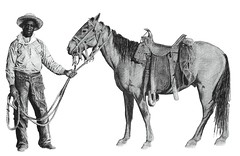
5971804155CowboysMen now shrouded by myth but who were actually tough, hard-working ranch hands.4
5971804156"Open-Ranges"So called because the plains were unfenced public lands.5
5971804157Homestead Act (1862)This act provided 160 acres of land to any settler who would live on the land for five years and improve it by building and farming.6
5971804159Great PlainsThe region between the Mississippi River Valley and the Rocky Mountains, stretching north to south from Canada to southern Texas.7
5971804160Dry FarmingThe cultivation of crops by careful conservation of water.8
5971804161SoddiesHouses built on blocks of earth and sod.9
5971804162Barbed WireTwo thousand strands of wire studded with metal barbs ar measured intervals.10
5971804163Plains IndiansTribes such as the Cheyenne, the Comanche, and the Sioux. These tribes came closer to the popular conception of Indians than did the eastern tribes. They lived in tepees, hunted buffalo on swift Indian ponies, and fought American cavalry with bows and arrows.11
5971804164ReservationsSpecial tracts of land set aside for the Indians where they could theoretically live in peace.12
5971804166George Armstrong CusterRash, dashing, and self-centered army officer.13
5971804167Sitting BullMore of a political leader of the Sioux forces. He provided moral inspiration to the Indians and led in all negotiations with the whites.14
5971804168Crazy HorseServed more as the military commander of the Sioux warriors. Under his leadership, the Sioux warriors fought one of the most unified, best-organized Indian campaigns in history.15
5971804169Custer's Last StandCuster and all of his force lost their lives in the Battle of Little Bighorn, which is popularly known as this.16
5971804172Dawes ActAllowed Indian lands to be parceled out to individual Indian families to use and develop as they liked. They put kids in boarding schools, and gave money to religious institutions.17
5971804173Maximilian IThis Austrian nobleman was set up as a puppet emperor in Mexico in 1864.18
5971804175Treaty of Washington (1861)Settled matters between America and Britain by setting up international tribunals to deal with each question.19
5971804176Matthew PerryThe United States government commissioned this Commodore to take a small squadron of warships to Japan and to negotiate with Japan's rulers.20
5971804177Treaty of Kanagawa (1854)A major victory for American foreign trade. It was also the first step in opening Japan to western influences and molding that island nation into a major economic and military power.21
5971804179Open Door PolicyCalled for all nations trading in China to refrain from interfering with one another and to allow free trade in China.22
5971804180Boxer RebellionAn antiforeign movement that broke out in China.23
5971804181ImperialismThe extension of power by one people or country over another people or country.24
5971804186"Yellow Journalism"Sensationalized news reporting aimed more at attracting readers than at reporting the truth.25
5971804188USS MaineThis battleship had been sent to Havana Harbor in Cuba in January 1898 to protect American interests on the island. Its mysterious destruction helped spark a war between the United States and Spain.26
5971804189Spanish-American WarCongress demanded Spain withdraw from Cuba. Spain refused, resulting in this.27
5971804191Battle of Manila BayDestroyed Spanish sea power in the Pacific and left the Philippines in the hands of the United States.28
5971804192Battle of Santiago BayThe American forces captured the island of Cuba.29
5971804193"Rough Riders"A collection of cowboys and adventurers from the West, commanded by Colonel Leonard Wood and Lieutenant Colonel Theodore Roosevelt.30
5971804194Emilio AguinaldoA revolutionary who had aided the United States against the Spanish and led an insurrection to overthrow the Americans and establish Philippine independence.31

AP US History: Reconstruction Flashcards

Terms : Hide Images
5016882882facts surrounding Lincoln's assassinationsdied 4/14/1865 --5 days after the end of the Civil War by John Wilkes Booth (famous actor) Bigger plot- to wipe out top U.S. govt (Pres, VP, Sec of State, Gen Grant0
5017025949significance of Lincoln's assassinationUnion lost leader and south lost a man that was going to be nice to them (1st assassination of a US Pres)1
5017097899Lincoln's Reconstruction Plan10% plan: of state population can join if 10% pledges oath Con. military officials will be pardoned Anyone who took loyalty pledge gets property back , no punishments2
5017325355Radical Republicans Reconstruction PlanWade Davis Bill-- wants 50% of of population to take oath wants to punish south-- STRICT non conf could vote conf voting rights taken away3
5017436169Leading two Radical Republicans In CongressCharles Sumner and Thaddeus Stevens4
5017443106Andrew Johnson's Reconstruction Planswants to punish wealthy south pardon those who took oath. state had to abolish slavery, accept 13th Confederate debt wiped out5
5017459339political party that controlled CongressRepublican Party6
5017462494Freedman's Bureauwelfare-- provided education, food, healthcare, clothing to anyone who suffered the war (mostly blacks) Johnson vetoes7
5017527655Civil Rights Act 1875Equal accommodations in public places. Supreme court decided only applies to govt, not individual people.8
5017551316Explain relation between Congress and JohnsonHates each other9
501755456213th Amendmentabolishes slavery10
501755931214th AmendmentAnyone born and naturalized are U.S citizens (women are citizens, not =) itizenship to "all persons born or naturalized in the United States," which included former slaves recently freed.11
501756511615th Amendmentvoting can not be denied due to race, color, and previous servitude12
5017598431Reasons for Andrew's Johnson impeachmentbreaks Office of Tenure Act-- Pres chooses cabinet and congress approves, if fired, Congress has to approve Fires Sec of State, Edwin Stanton13
5017714298Identify the voting restriction used to discriminate against blacksLiteracy Test--read constitution and interpretation poll tax--former slaves can't afford Grandfather Clause-- any could vote if grandpa could vote14
5017747957Significances of the case of Plessy v FergusonPlessy considered black sat at white section of the train Plessy lost and legalized segregation (sep and = accomodations15
5017780769Black Codes and Jim Crow LawsRacist laws, segregating blacks into their "rightful place"16
5017803149examples of Black Codesoutlawed interracial marriage, had to sign labor contracts, brought back to work and give up pay if escaped: sep but =17
5017822924Reasons and Tactics used by the KKKTo stop pro blacks from voting, tactics: terrorism, lynching, burning, whipping, burning of the cross, knock on door representing dead con18
5017847864Southern govts in post Civil War yearsGraft-political corruption, bribes, payoffs, (people in govt- ex confederates)19
5017897702carpetbaggersnortherners travel to south to exploit and take advantage of poor situation PROFIT (political ambitions, businesses)20
5017914462scalawagswhite southerners who supports Republicans (traitors to race)21
5017931633crop lien systemstores give workers supplies, in return get share of crop22
5017945806sharecroppinggive plots of land to people, in return share crops w owner23
5017969319tenant farmingworkers rent, grow crops and sells for money, gives money to owner24
5017988565industry of the south after the Civil WarTobacco and cigarettes flourish in the south25
5018016016reason for the formation of black communities after the Civil Warwhole towns and neighborhoods are black26
5018076208Union Leaguepolitical/social organization , built black churches, schools, help w courts, if discriminated, support Republican party taught civics, how to register to vote, politics27
5018113718Roles of blacks in politics after the Civil Warsome states gave black right to vote, had right to get elected 1st two blacks in Congress Sen Hiram Revels, Blanche Bruce28
5018144564Booker T. Washington's backgroundformer slave born into slavery29
5018158216Booker T. Washington's adviceget a decent job, learn a trade/skill30
5018165408Booker T. Washington's accomplishmentsfounded Tuskegee Institute (vocational), autobiography UP FROM SLAVERY31
5018181254How whites viewed Booker T. Washingtondon't see him as a threat - blacks won't take jobs such as lawyers, doctors32
5018188938Amnesty Act of 1872Forgiveness of ex confederates no more punishments33
5018211097Election of 1876contested election-- who gets the vote? miscounted votes need to be recounted34
5018225874Compromise of 1877House of Representatives decide President makes deal- chooses Hayes (R) as President, In exchange military will get out of the south35
5018245197Results and impact of ending reconstructionlaws helping blacks ignored, south remains poor, southern industries doesnt take off36

AP US History facts Flashcards

Terms : Hide Images
10258591125Federalist PartyFirst American political party formed by George Washington and led by Alexander Hamilton. They were in support of the Constitution, as it gave the government more power. They believed in national banks, tariffs, an elite ruling class, and good relations with Britain. They had major influences and impacts on out national government and its debt.0
10258591126Anti-Federalist PartyA group of members that opposed the creation of a stronger US federal government and the Constitution. They were led by Patrick Henry and Thomas Jefferson. They believed in a weak central government and strong state governments. They supported small farmers and landowners. They helped in preventing the Federalists from creating a political system like that of the British.1
10258591127Whigs Partywere conservatives who supported government programs, reforms, and public schools. They called for internal improvements like canals, railroads, and telegraph lines.2
10258591128Marbury v Madison 1803William Marbury had not had his commission delivered by Adams. Even though this was illegal on Adams part, Congress could not force Marbury to bring the documents. The court was able to form a basis for exercise of judicial review. It defined the boundary between the constitutionally separate executive and judicial branches. (date)3
10258591129McCulloch v Maryland 1819Maryland attempted to impede operation of a branch of the second bank of the US by imposing a tax on all notes of banks not chartered in Maryland. It established that Congress could implement the Constitution's powers, and state action couldn't impede valid constitutional exercises of power by the government. (date)4
10258591130Plessy v Fergussoncase ruled that "separate but equal" public facilities were legal. reversed in Brown v Board of Ed. Racial segregation5
10258591131Louisiana Purchase 1803The acquisition by the USA of France's claim to the territory of Louisiana. They paid $15 million. It doubled the size of the US, removed France's presence in the region, and it protected US trade access and free passage. (date)6
10258591132Mexican Cession1848. Awarded as part of the Treaty of Guadalupe-Hidalgo after the Mexican American War. U.S. paid $15 million for 525,000 square miles.7
10258591133Gadsden Purchase 1853..A region of present day southern Arizona and southwestern New Mexico purchased by the US in a treaty. It proved the land necessary for a southern transcontinental railroad and attempted to resolve conflicts that lingered after the Mexican-American War. (date)8
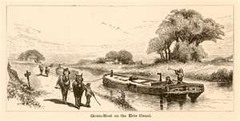
10258591134Erie CanalA canal in New York running from Albany to Buffalo. It created a navigable water route from the Atlantic Ocean to the Great Lakes which gave the western states direct access tot he ocean without shipping goods downstream on Mississippi River.9
10258591135Boston Massacre 1770The killing of five colonists by British regulars. It was the culmination of the tensions in the American colonies. It made many colonists rally together to counter the evil British. Changed people's mind about the British. (date)10
10258591136Boston Tea Party 1773Political protest by the Sons of Liberty. They destroyed an entire shipment of tea sent by the East India company in defiance of the Tea Act by throwing the chests into the sea. It showed that the American colonies had grown tired of arbitrary taxation by the British. (date)11
10258591137Popular SovereigntyA belief that ultimate power resides in the people. The people are able to vote for if they want slavery or not.12
10258591138Second Great AwakeningA Protestant revival movement as a reaction against skepticism, deism, and rationalism. It enrolled new members in existing denominations and led to the formation of new denominations. It revived the emotional side of religion, weakened church authority, and played a role in social reform.13
10258591139French and Indian War 1754-1763Fought between the colonies of British America and New France, supported by military units from their parent countries. Hostilities intensified between the two as they both attempted to colonize land in the Ohio Valley. It marked the beginning of conflicts between Great Britain and the American colonists. (Dates)14
10258591140Revolutionary War 1775-1783War fought between the American colonies and England. American colonies won war and gained independence and British land in North America. (date)15
10258591141Nullification CrisisA sectional crisis with an ordinance declared by the power of the state that the Tariffs of 1828 and 1832 were unconstitutional and therefore void in South Carolina. It showed that the economic and political interests of the North and South were drifting, as they had opposing ideas.16
10258591142Mexican-American War 1846An armed conflict between the US and Mexico that started with the US annexation of Texas and was the result of a disagreement over where the Mexican-American border should be. the US received Mexican territory and it raised the question of slavery in the new territory. (date)17
10258591143Saratoga BattleA battle that took place in New York where the Continental Army defeated the British. It proved to be the turning point of the war. This battle ultimately had France to openly support the colonies with military forces in addition to the supplies and money already being sent.18
10258591144Bull Run BattleWas the first meager battle of the civil war with the confederates winning against the north.19
10258591145Monroe Doctrine 1823A US foreign policy regarding Latin American countries. It stated that further efforts by European nations to colonize land or interfere with states in North or South American would be viewed as acts of aggression. It directed a clear warning towards all foreign countries telling them to leave the US alone and to stop settling within the country's borders. (date)20
10258591146Slave TradeEuropean trade agreement with Africa dealing with slaves brought from Africa. Integral part of Triangle Trade between the Americas, Africa, and Europe.21
10258591147Amendment 13 1864This abolished slavery and involuntary servitude, except as a punishment for crime. It formally released all slaves and prevented slavery to keep occurring. (date)22
10258591148Amendment 14 1868This granted citizenship to all persons born or naturalized in the US, which included former slaves. It defined citizenship within the US (date).23
10258591149Amendment 15 1870This stated that the rights of citizens to vote should not bed denied by the US in race or color. It allowed African American men to vote, though poll taxes and literacy tests still prevented them from doing so. (date)24
10258591150Proclamation Act 1763Issued by King George III following Great Britain's acquisition of French territory in North America. It forbade settlers from settling past a line drawn along the Appalachian Mountains. It organized Britain's empire and stabilized relations with Native Americans through trade, settlement, and land purchases. (date)25
10258591151Sugar Act 1764It reduced the tax to three pence (previously six pence). The tax was more enforced and it occurred on other goods like wine, coffee, and calico. It raised revenue for Britain through American colonists, not Europeans. (date)26
10258591152Stamp Act 1765An act of the Parliament of Great Britain that required the colonies have printed materials be produced on stamp paper. These were legal documents. It helped British troops who were stationed in North America, as the taxes went to their benefit. This angered the colonists. It was considered the last straw, leading to the Revolution. (date)27
10258591153Land Ordinance 1785The goal was to raise money through the sale of land in the territory west of the states. It was important because it established the precedent by which the US would expand westward across North America by the admission of new states. (date)28
10258591154Northwest Ordinance 1787It created the Northwest territory from lands beyond the Appalachian Mountains, between Canada and the Great Lakes. Rather than the expansion of existing states and their established sovereignty, it establish admission for new states. (date)29
10258591155Compromise of 1850This admitted California as a free state while it also created fugitive slave laws to capture escaped slaves. It created a way for slaves to not be able to go to the North and be free. The North had to help the South.30
10258591156Intolerable Acts 1774A series of laws passed by the British Parliament after the Boston Tea Party intending to punish the Massachusetts colonists for their defiance. It was a wake up call for the colonies. The Boston harbor closed. England took over all governmental activities. (date)31
10258591157Missouri Compromise 1820It involved primarily the regulation of slavery in the western territories. It prohibited slavery in the Louisiana Territory north of the southern Missouri border. It became precedent for settling subsequent North and South disagreements over slavery and duty issues. (date)32
10258591158Thomas Jefferson..., Virginian, architect, author, governor, and president. Lived at Monticello. Wrote the Declaration of Independence. Second governor of Virgina. Third president of the United States. Designed the buildings of the University of Virginia.33
10258591159John AdamsAmerica's first Vice-President and second President. Sponsor of the American Revolution in Massachusetts, and wrote the Massachusetts guarantee that freedom of press "ought not to be restrained."34
10258591160Thomas PaineAmerican Revolutionary leader and pamphleteer (born in England) who supported the American colonist's fight for independence and supported the French Revolution (1737-1809)35
10258591161Andrew JacksonSeventh president of the US. He opposed the national bank and did not support a strong federal government. He enforced the Indian Removal Act. He enforced the idea of a common man and sovereignty.36
10258591162John C CalhounVice President under Andrew Jackson; leading Southern politician; began his political career as a nationalist and an advocate of protective tariffs, later he becomes an advocate of free trade, states' rights, limited government, and nullification.37
10258591163Henry ClayAmerican lawyer, politician, and skilled orator who represented Kentucky. He is important because he was the founder and leader of the Whig Party and a leading advocate of programs for modernizing the economy, like tariffs to eliminate international competition, a national bank, and internal improvements to promote canals, ports, and railroads.38
10258591164John Quincy Adams..., Secretary of State, He served as sixth president under Monroe. In 1819, he drew up the Adams-Onis Treaty in which Spain gave the United States Florida in exchange for the United States dropping its claims to Texas. The Monroe Doctrine was mostly Adams' work.39
10258591165Preston BrooksA hot tempered Congressman of South Carolina took vengeance in his own hands. He beat Sumner with a cane until he was restrained by other Senators over issue of slavery.40
10258591166CottonThe most important cash crop in the South by 1850 that needed a large labor force.41
10258591167Indian Removal ActPart of the Indian Removal policy that was signed into law by Andrew Jackson in 1830; strongly supported in the South where states were eager to gain access to lands occupied by the Five Civilized Tribes.42
10258591168American SystemAn economic regime pioneered by Henry Clay which created a high tariff to support internal improvements such as road-building. This approach was intended to allow the United States to grow and prosper by themselves This would eventually help America industrialize and become an economic power.43
10258591169Adams Onis Treaty1819. Settled land dispute between Spain and United States as a result of tensions brought on by weakening Spanish power in the New World. U.S. gained Florida in exchange for $5 million and renounced any claims on Texas and settled boundary between two countries to the Pacific Ocean.44
10258591170Interchangeable parts1799-1800 - Eli Whitney developed a manufacturing system which uses standardized parts which are all identical and thus, interchangeable. Before this, each part of a given device had been designed only for that one device; if a single piece of the device broke, it was difficult or impossible to replace. With standardized parts, it was easy to get a replacement part from the manufacturer. Whitney first put used standardized parts to make muskets for the U.S. government.45
10258591171Samuel SlaterHe was a British mechanic that moved to America and in 1791 invented the first American machine for spinning cotton. He is known as "the Father of the Factory System" and he started the idea of child labor in America's factories. -increased labor problem -only benefitted employers, not workers -forbid unions46
10258591172Spoils SystemJackson's patronage system, which allowed men to buy their way into office. This resulted in a very corrupt governmental office.47
10258591173"Lowell Girls"/Factory Girls 1820-30'sYoung single women that were the primary source of labor in the factory system in Lowell, Massachusetts48
10258591174Colombian exchangethe exchange between the new world and the old world consisting of the old world bringing wheat, cows, horses, sheep, pigs, sugar, rice, coffee, smallpox, malaria and yellow fever. while the new world sent gold, silver, corn, potatoes, tobacco, and syphills49
10258591175Encomienda SystemsSpanish government's policy to "commend", or give, Indians to certain colonists in return for the promise to Christianize them. Part of a broader Spanish effort to subdue Indian tribes in the West Indies and on the North American mainland.50
10258591176Tariff of 1828a protective tariff passed by the U.S. Congress that came to be known as the "Tariff of Abominations" to its Southern detractors because of the effects it had on the Antebellum Southern economy; it was the highest tariff in U.S. peacetime and its goal was to protect industry in the northern United States from competing European goods by increasing the prices of European products. Attempt to keep the American system running.51

AMSCO AP US History Chapter 11 Flashcards

AMSCO United States History 2015 Edition, Chapter 11 Society, Culture, and Reform, 1820-1860

Terms : Hide Images
8373175563utopian communitiesOver one hundred of these experimental communities were started in the 1820s to 1860s period. (p. 210)0
8373175564ShakersThis early religious communal movement held property in common and separated men and women. (p. 210)1
8373175565Amana ColoniesA German religious communal movement in Ohio which emphasized simple living. (p. 210)2
8373175566Robert OwenA Welsh industrialist and reformer who founded the New Harmony community. (p. 210)3
8373175567New HarmonyNonreligious experimental socialist community founded to solve problems of inequity and alienation caused by the Industrial Revolution. (p. 210)4
8373175568Joseph Humphrey NoyesHe started a cooperative community in Oneida, New York. (p. 210)5
8373175569Oneida communityThis community, started in 1848, was dedicated to social and economic equality. They shared property and spouses, and prospered by manufacturing silverware. (p. 210)6
8373175570Charles Fourier phalanxesIn the 1840s, this French socialist, advocated that people share working and living arrangements in communities. He wanted to solve problems of competitive society, but Americans were too individualistic. (p. 210)7
8373175571Horace MannHe was the leading advocate of the public school movement. (p. 213)8
8373175572temperanceReformers targeted alcohol as the cause of social ills. The movement started by using moral exhortation, then shifted to political action. Business leaders and politicians supported it because it improved productivity of industrial workers. (p. 212)9
8373175573American Temperance SocietyFounded in 1826, by Protestant ministers and others, they encouraged total alcohol abstinence. (p. 212)10
8373175574WashingtoniansA temperance movement which argued that alcoholism was a disease that need practical helpful treatment. (p. 212)11
8373175575Women's Christian Temperance UnionIn the late 1870s, this women's organization was part of the temperance movement. (p. 212)12
8373175576asylum movementIn the 1820s and 1830s, this movement sought to improve the conditions for criminals, emotionally disturbed people, and paupers. They proposed setting up state-supported prisons, mental hospitals, and poorhouses. (p. 212)13
8373175577Dorothea DixA reformer who was responsible for improving conditions in jails, poorhouses and insane asylums throughout the U.S. and Canada. She succeeded in persuading many states to assume responsibility for the care of the mentally ill. (p. 212)14
8373175578Thomas GallaudetHe started a school for the deaf. (p. 213)15
8373175579Samuel Gridley HoweHe started a school for the blind. (p. 213)16
8373175580penitentiariesThese institutions took the place of crude jails. They believed that structure and discipline would bring about moral reform. (p. 213)17
8373175581Auburn systemA prison system in New York which enforced rigid rules of discipline, while also providing moral instruction and work programs. (p. 213)18
8373175582public school movementIn the 1840s, this movement to provide free education for all children spread rapidly throughout the nation. (p. 213)19
8373175583McGuffey readersElementary school textbooks that encouraged hard work, punctuality, and sobriety. (p. 213)20
8373175584American Peace SocietyFounded in 1828, this society want to abolish war. (p. 216)21
8373175585American Colonization SocietyFounded in 1817, this organization transported free black people to an African colony. This appealed to moderates, racists, and politicians. However, only 12,000 people were actually settled in Africa. (p. 215)22
8373175586American Antislavery SocietyThe organization was founded in 1833 by William Lloyd Garrison and others. They advocated the immediate abolition of all slavery in every state. (p. 215)23
8373175587abolitionism William Lloyd Garrison; The LiberatorIn 1831, he started the radical abolitionist movement with the "The Liberator" newspaper. He advocated the immediate abolition of all slavery in every state. (p. 215)24
8373175588Liberty partyIn 1840, this political party was formed in reaction to the radical abolitionists. They pledged to bring an end to slavery by political and legal means. (p. 215)25
8373175589Frederick Douglass; The North StarIn 1847, this former slave started the antislavery journal, "The North Star". (p. 215)26
8373175590Harriet TubmanFamous abolitionist, born a slave, she assisted fugitive slaves to escape to free territory. (p. 215)27
8373175591David RugglesAn African American leader who assisted fugitive slaves to escape to free territory. (p. 215)28
8373175592Sojourner TruthA United States abolitionist and feminist who was freed from slavery and became a leading advocate for the abolition of slavery and the rights of women. (p. 215)29
8373175593William StillAn African American leader, who assisted fugitive slaves to escape to free territory. (p. 215)30
8373175594David WalkerAn African American who advocated the most radical solution to the slavery question. He argued, that slaves should take action themselves by rising up in revolt against their owners. (p. 215)31
8373175595Henry Highland GarnetAn African American, who advocated the most radical solution to the slavery question. He argued that slaves should take action themselves by rising up in revolt against their owners. (p. 215)32
8373175596Nat TurnerIn 1831, he led the largest slave rebellion in which 55 whites were killed. (p. 215)33
8373175597antebellum periodThe period before the Civil War started in 1861. (p. 207)34
8373175598romantic movementIn early 19th century Europe, art and literature emphasized intuition and feelings, individual acts of heroism, and the study of nature. In America, similar themes were expressed by the transcendentalists. (p. 209)35
8373175599transcendentalistsThey questioned the doctrines of established churches and business practices of the merchant class. They encouraged a mystical and intuitive way of thinking to discover the inner self and look for essence of God in nature. Artistic expression was more important than pursuit of wealth. They valued individualism and supported the antislavery movement. (p. 209)36
8373175600Ralph Waldo Emerson, "The American Scholar"The best known transcendentalist, his essays and lectures expressed the individualistic and nationalistic spirit of Americans. He urged self-reliance, and independent thinking. (p. 209)37
8373175601Henry David Thoreau, "Walden", "On Civil Disobedience"A pioneer ecologist and conservationist. He was an advocate of nonviolent protest against unjust laws. (p. 209)38
8373175602Brook FarmAn attempted communal experiment in Massachusetts to achieve a more natural union between intellectual and manual labor. (p. 207)39
8373175603George RipleyThis Protestant minister started a communal experiment at Brook Farm in Massachusetts to live out the transcendentalist ideals. (p. 207)40
8373175604feministsThe term for advocates of women's rights. (p. 214)41
8373175605Margaret FullerA feminist, writer, and editor in the women's movement. (p. 210)42
8373175606Theodore ParkerA theologian and radical reformer. (p. 210)43
8373175607George Caleb BinghamAn American realist artist, whose paintings depicted life on the frontier. (p. 211)44
8373175608William S. MountContemporary of the Hudson River school. He began as a painter of history but moved to depicting scenes from everyday life. (p. 211)45
8373175609Thomas ColeFounder of the Hudson River school, famous for his landscape paintings. (p. 211)46
8373175610Frederick ChurchCentral figure in the Hudson River School and pupil of Thomas Cole. He is known for his landscapes and for painting colossal views of exotic places. (p. 211)47
8373175611Hudson River schoolIn the 1830s, this genre of painting founded in the Hudson River area, portrayed everyday life of ordinary people in the natural world. (p. 211)48
8373175612Washington IrvingThis author wrote fiction using American settings. (p. 211)49
8373175613James Fenimore CooperThis author wrote novels that glorified the frontiersman as nature's nobleman. (p. 211)50
8373175614Nathaniel HawthorneAuthor of "The Scarlet Letter", which questioned the intolerance and conformity in American life. (p. 211)51
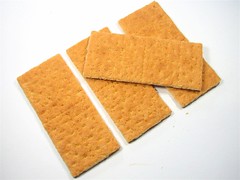
8373175615Sylvester GrahamAn American dietary reformer who advocated whole wheat bread and graham crackers to promote good digestion. (p. 216)52
8373175616Amelia BloomerShe urged women to wear pantalettes instead of long skirts. (p. 216)53
8373175617Second Great AwakeningA religious movement that occurred during the antebellum period. It was a reaction against rationalism (belief in human reason). It offered the opportunity of salvation to all. (p. 207)54
8373175618Timothy DwightPresident of Yale College, he helped initiate the Second Great Awakening. His campus revivals inspired many young men to become evangelical preachers. (p. 207)55
8373175619revivalism; revival camp meetingsIn the early 1800s, this movement was a reaction against the rationalism of the Enlightenment. Successful preachers were audience-centered and easily understood by the uneducated. (p. 207)56
8373175620millennialismIn the early 1800s, this popular belief, that the world was about to end with the second coming of Jesus Christ. (p. 208)57
8373175621Church of Jesus Christ of Latter-Day Saints; MormonsFounded by Joseph Smith in 1830. It was based on the Book of Mormon which traced a connection between the American Indians and the lost tribes of Israel. After Joseph Smith was murdered, Brigham Young led the religious group to establish the New Zion on the Great Salt Lake in Utah. (p. 208)58
8373175622Joseph SmithFounded the Church of Jesus Christ of the Latter-Day Saints in New York in 1830. The church moved to Ohio, Missouri, Illinois, then finally to Utah. (p. 208)59
8373175623Brigham YoungAfter Joseph Smith was killed, he led the Mormon followers to Utah. (p. 208)60
8373175624New ZionThis was the religious community established by the Mormons on the banks of the Great Salt Lake in Utah. (p. 208)61
8373175625women's rights movementWomen started this movement because they resented the way men relegated them to secondary roles in the reform movements. (p. 214)62
8373175626cult of domesticityAfter industrialization occurred women became the moral leaders in the home and educators of children. Men were responsible for economic and political affairs. (p. 214)63
8373175627Sarah Grimke, Angelina GrimkeTwo sisters, born in South Carolina, they objected to male opposition to their antislavery activities. (p. 214)64
8373175628Letter of the Condition of Women and the Equality of the SexesWritten by Angelina and Sarah Grimke, it protested males opposition to their abolitionist work. (p. 214)65
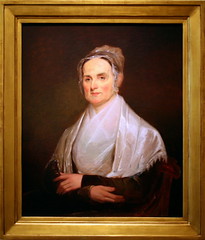
8373175629Lucretia MottA women's rights reformer who was not allowed to speak at an antislavery convention. (p. 214)66
8373175630Elizabeth Cady StantonA women's rights reformer who was not allowed to speak at an antislavery convention. (p. 214)67
8373175631Seneca Falls ConventionIn 1848, this was the first women's rights convention in U.S. history. They wrote a "Declaration of Sentiments", modeled after the Declaration of Independence, which declared all men and women equal and listed grievances. (p. 214)68
8373175632Susan B. AnthonySocial reformer who campaigned for womens rights, the temperance, and was an abolitionist. She helped form the National Woman Suffrage Association. (p. 214)69

AMSCO AP US History Chapter 10 Flashcards

AMSCO United States History 2015 Edition, Chapter 10 The Age of Jackson, 1824-1844

Terms : Hide Images
8373353776Indian Removal ActIn 1830, this act forced the resettlement of thousands of Native Americans west of the Mississippi. (p. 195)0
8373353777Cherokee Nation v. GeorgiaIn 1831, this Supreme Court case ruled that the Cherokees were not a foreign nation with the right to sue in a federal court. (p. 195)1
8373353778Worcester v. GeorgiaIn 1832, this Supreme Court case ruled that the laws of Georgia had no force within the Cherokee territory. However, President Jackson sided with Georgia and the decision could not be enforced without Jackson's support. (p 196)2
8373353779Cherokee trail of tearsIn 1838, the U.S. Army forced 15,000 Cherokees to leave Georgia and march to Oklahoma. 4,000 Cherokees died on the trip. (p. 196)3
8373353780Bank of the United StatesIn 1832, President Andrew Jackson vetoed this bank's recharter bill, denouncing the bank as a private monopoly that enriched the wealthy and foreigners. (p. 197)4
8373353781Nicholas BiddleDuring the 1830s, he was president of the Bank of the United States. (p. 197)5
8373353782Roger TaneyHe was Andrew Jackson's secretary of Treasury. In an attempt to destroy the Bank of the United States, he transferred funds from the national bank to various state banks. (p. 198)6
8373353783pet banksA term for the state banks. President Andrew Jackson was trying to destroy the Bank of the United States, so he transferred federal funds to these state banks. (p. 198)7
8373353784Specie CircularTo check inflationary, President Andrew Jackson issued a presidential order that required all future purchases of federal lands be made with gold or silver rather than paper bank notes. (p. 198)8
8373353785Panic of 1837Just as Martin Van Buren became the president, the country suffered a financial panic as many banks closed their doors. (p. 199)9
8373353786Martin Van BurenHe won the 1836 presidential election as a Democratic. He had been Andrew Jackson's vice president. (p. 198)10
8373353787common manBetween 1824 and 1840, the middle and lower classes became more involved in politics. Several factors contributed to this including new suffrage laws, changes in political parties and campaigns, improved education, and increased newspaper circulation. (p. 192)11
8373353788universal white male sufferageIn the 1810s, new Western states adopted state constitutions that allowed all white males to vote and hold office. Most Eastern states soon followed suit. Voting for president rose from about 350,000 in 1824 to 2.4 million in 1840. (p. 192)12
8373353789party nominating conventionIn the 1830s, caucuses were replaced by this public process of nominating candidates in a large hall. (p. 192)13
8373353790King CaucusA closed door meeting of a political party's leaders in Congress which nominated candidates. (p. 192)14
8373353791popular election of presidentIn the 1832 presidential election, all states except South Carolina, allowed voters to choose their state's slate of presidential electors. (p. 192)15
8373353792Anti-Masonic PartyA political party, that attacked the secret societies of Masons and accused them of belonging to a privileged, anti democratic elite. (p. 192)16
8373353793Workingmen's PartyA political third party that was not as large as the Democrat or Whig party. (p. 192)17
8373353794popular campaigningCampaigns of the 1830s and 1840s featured parades and large rallies with free food and drink. (p. 193)18
8373353795spoils systemPresident Andrew Jackson appointed people to federal jobs strictly according to whether they had campaigned for the Democratic party. Previous office holders were fired and replaced with a loyal Democrat. (p. 193)19
8373353796rotation in officePresident Andrew Jackson's policy of limiting a person to one term in office so he could then appoint a Democrat to replace them. (p. 193)20
8373353797Henry ClayHe was secretary of state under President John Quincy Adams. He was President Andrew Jackson's chief opponent. In 1832, he challenged Jackson by persuading Congress to pass a bank-recharter bill. (p. 197)21
8373353798corrupt bargainThe term that President Andrew Jackson and followers called the Adams and Clay deal of the 1824 election. The House of Representatives had to choose the president and Henry Clay used his influence have John Quincy Adams elected. (p. 194)22
8373353799John Quincy AdamsIn 1824, he was elected president. Henry Clay used his influence in the House of Representatives to provide him with enough votes to win the election. Clay was made secretary of state. (p. 194)23
8373353800Tariff of 1828; tariff of abominationsIn 1828, during President John Quincy Adams' term, Congress created a new tariff law which pleased northern manufacturers, but alienated southern planters. (p. 194)24
8373353801Revolution of 1828In the 1828 election, Andrew Jackson became president after a mudslinging campaign. Jackson was a champion of the working class and middle class (common man). p. 195)25
8373353802Andrew JacksonHe won the 1828 presidential election easily, winning every state west of the Appalachians. He was know as "Old Hickory" and presented himself as a comman man. (p. 195)26
8373353803role of the presidentPresident Andrew Jackson presented himself as the representative of all the people and the protector of the common man against abused of power by the rich and privileged. He thought this was the role he should play. (p. 195)27
8373353804Peggy Eaton affairWhen President Andrew Jackson's secretary of war's wife was the target of malicious gossip by other cabinet wives, Jackson supported her. The majority of cabinet resign because Jackson tried to force the wives to accept Peggy Eaton. (p. 195)28
8373353805states' rightsPresident Andrew Jackson favored this form of power for the state governments. (p. 196)29
8373353806nullification crisisIn 1832, South Carolina passed a resolution forbidding the collection of tariffs in the state, which was nullifying a federal law at the state level. President Jackson threatened South Carolina with the use of federal troops and a compromise was reached. (p. 197)30
8373353807Webster-Hayne debateIn 1830, Daniel Webster of Massachusetts, debated Robert Hayne of South Carolina on the nature of the federal union under the Constitution. Daniel Webster declared that a state could not defy or leave the union. (p. 196)31
8373353808John C. CalhounHe was Andrew Jackson's vice president, but he opposed Jackson on nullification theory. He advanced the theory that a state had the right to declare a federal law null and void. (p. 196)32
8373353809Proclamation to the People of South CarolinaPresident Andrew Jackson's edict stating nullification and disunion were treason. (p. 197)33
8373353810two-party systemThis system developed in the 1820s. Supporters of Andrew Jackson were Democrats, while supporters of Henry Clay were Whigs. (p. 197)34
8373353811DemocratsIn the 1820s, this party was led by President Andrew Jackson. It harked back to the old Republican party of Thomas Jefferson. (p. 197)35
8373353812WhigsIn the 1820s, this party was led by Henry Clay. It was similar to the old Federalist party of Alexander Hamilton. (p. 197)36
8373353813log cabin and hard cider campaignThe term for the 1840 presidential campaign. Popular war hero, William Henry Harrison was the Whig candidate. He used log cabins and hard cider to portray his down-home heritage. He attacked Martin Van Buren as an aristocrat. Harrison and John Tyler won the election. (p. 199)37

AP US History Period 4 (1800-1848) Flashcards

Key events and terms for mastery of the time period 1800-1848

Terms : Hide Images
7959536119Era of Good FeelingsA name for President Monroe's two terms, a period of strong nationalism, economic growth, and territorial expansion. Since the Federalist party dissolved after the War of 1812, there was only one political party and no partisan conflicts.0
7959536120SectionalismDifferent parts of the country developing unique and separate cultures (as the North, South and West). This can lead to conflict.1
7959536121James MonroeThe fifth president of the United States. His administration was marked by the acquisition of Florida (1819); the Missouri Compromise (1820), in which Missouri was declared a slave state; and the profession of the Monroe Doctrine (1823), declaring U.S. opposition to European interference in the Americas.2
7959536122NationalismA devotion to the interests and culture of one's nation.3
7959536123tariffA tax on imported goods4
7959536124Tariff of 18161st protective tariff; helped protect American industry from competition by raising the prices of British manufactured goods, which were often cheaper and of higher quality than those produced in the U.S.5
7959536125Henry ClaySenator who persuaded Congress to accept the Missouri Compromise, which admitted Maine into the Union as a free state, and Missouri as a slave state.6
7959536126American SystemAn economic regime pioneered by Henry Clay which created a high tariff to support internal improvements such as road-building. This approach was intended to allow the United States to grow and prosper by themselves This would eventually help America industrialize and become an economic power.7
7959536127Second Bank of the USStates resent the main role of banks (present a state's bank notes for redemption that can easily ruin a bank). Thought banks didn't agree with local needs. Nicholas Biddle was president.8
7959536128Panic of 18191st major financial panic since the Constitution was ratified; marked the end of economic expansion and featured deflation (value of US money going down), depression, bank failures, foreclosures on western farms, unemployment, a slump in agriculture and manufacturing, and overcrowded debtor's prisons. Also risky lending practices of the state and local banks led to over speculation on lands in west- the national bank tightened its credit lending policies and eventually forced these state and local banks to foreclose mortgages on farms, which resulted in bankruptcies and prisons full of debtors.9
7959536129John Marshall1755-1835. U.S. Chief Supreme Court Justice. Oversaw over 1000 decisions, including Marbury v Madison and McCulloch v. Maryland.10
7959536130Marbury v Madison(1803) Marbury was a midnight appointee of the Adams administration and sued Madison for commission. Chief Justice Marshall said the law that gave the courts the power to rule over this issue was unconstitutional. established judicial review11
7959536131McCulloch v MarylandMaryland was trying to tax the national bank and Supreme Court ruled that federal law was stronger than the state law12
7959536132Gibbons v OgdenThis case involved New York trying to grant a monopoly on waterborne trade between New York and New Jersey. Judge Marshal, of the Supreme Court, sternly reminded the state of New York that the Constitution gives Congress alone the control of interstate commerce. Marshal's decision, in 1824, was a major blow on states' rights.13
7959536133Worcester v GeorgiaA case in which the United States Supreme Court vacated the conviction of Samuel Worcester and held that the Georgia criminal statute that prohibited non-Indians from being present on Indian lands without a license from the state was unconstitutional.14
7959536134Implied powersPowers derived from the "Necessary and Proper" or "Elastic" clause.15
7959536135Tallmadge AmendmentProposed slave ban in Missouri Territory, called for emancipation of children born to slave parents; bill was defeated but led to the Missouri Compromise of 1820.16
7959536136Missouri Compromise of 1820Allowed Missouri to enter the union as a slave state, Maine to enter the union as a free state, prohibited slavery north of latitude 36˚ 30' within the Louisiana Territory17
7959536137Rush-Bagot Treaty1817 - This treaty between the U.S. and Great Britain (which controlled Canada) provided for the mutual disarmament of the Great Lakes. This was later expanded into an unarmed Canada/U.S. border.18
7959536138Convention of 1818Britain and the United States agreed to the 49th parallel as the northern boundary of the Louisiana Territory between Lake of the Woods and the Rocky Mountains. The two nations also agreed to joint occupation of the Oregon country for ten years.19
7959536139Adams Onis Treaty1819. Settled land dispute between Spain and United States as a result of tensions brought on by weakening Spanish power in the New World. U.S. gained Florida in exchange for $5 million and renounced any claims on Texas and settled boundary between two countries to the Pacific Ocean.20
7959536140Monroe Doctrine1823, 1823 - Declared that Europe should not interfere in the affairs of the Western Hemisphere and that any attempt at interference by a European power would be seen as a threat to the U.S. It also declared that a New World colony which has gained independence may not be recolonized by Europe. (It was written at a time when many South American nations were gaining independence). Only England, in particular George Canning, supported the Monroe Doctrine. Mostly just a show of nationalism, the doctrine had no major impact until later in the 1800s.21
7959536141National RoadFirst national road building project funded by Congress. It made travel and transportation of goods much easier because it was one continuous road that was in good condition.22
7959536142Lancaster TurnpikePennsylvania turnpike, built in the 1790s, which connected Philadelphia with the rich farmlands around Lancaster. Its success stimulated the construction of other privately built and relatively short toll roads that, by the mid-1820s, connected most of the country's major cities23
7959536143Erie CanalA canal between the New York cities of Albany and Buffalo, completed in 1825. The canal, considered a marvel of the modern world at the time, allowed western farmers to ship surplus crops to sell in the North and allowed northern manufacturers to ship finished goods to sell in the West. Connected Great Lakes farms and western markets with New York City leading to its rise as a center of trade and commerce.24
7959536144SteamboatA boat powered by a steam engine that turns a large paddle wheel.25
7959536145Eli WhitneyAn American inventor who developed the cotton gin. Also contributed to the concept of interchangeable parts that were exactly alike and easily assembled or exchanged26
7959536146Interchangeable parts1799-1800 - Eli Whitney developed a manufacturing system which uses standardized parts which are all identical and thus, interchangeable. Before this, each part of a given device had been designed only for that one device; if a single piece of the device broke, it was difficult or impossible to replace. With standardized parts, it was easy to get a replacement part from the manufacturer. Whitney first put used standardized parts to make muskets for the U.S. government.27
7959536147Lowell SystemDeveloped in the textile mills of Lowell, Massachusetts, in the 1820s, in these factories as much machinery as possible was used, so that few skilled workers were needed in the process, and the workers were almost all single young farm women, who worked for a few years and then returned home to be housewives. Managers found these young women were the perfect workers for this type of factory life.28
7959536148IndustrializationDevelopment of a system which supports machine production of goods29
7959536149SpecializationDevelopment of skills in a specific kind of work30
7959536150Market RevolutionDramatic increase between 1820 and 1850 in the exchange of goods and services in market transactions. Resulted from thee combo impact of the increased output of farms and factories, the entrepreneurial activities of traders and merchants, and the development of a transportation network of roads, canals and railroads.31
7959536151Thomas JeffersonVirginian, architect, author, governor, and president. Lived at Monticello. Wrote the Declaration of Independence. Second governor of Virginia. Third president of the United States. Designed the buildings of the University of Virginia. Purchased Louisiana for the US even though the purchase was outside of his belief in strict construction of the Constitution.32
7959536152Embargo Act of 1807This act issued by Jefferson forbade American trading ships from leaving the U.S. It was meant to force Britain and France to change their policies towards neutral vessels by depriving them of American trade. It was difficult to enforce because it was opposed by merchants and everyone else whose livelihood depended upon international trade. It also hurt the national economy, so it was replaced by the Non-Intercourse Act.33
7959536153War of 1812A war (1812-1814) between the United States and England which was trying to interfere with American trade with France. Caused by impressment of American sailors, British aid to Indians in the west with firearms, War Hawk Congressman wanted to invade Canada, and continued British interference with trade.34
7959536154Battle of New OrleansA battle during the War of 1812 where the British army attempted to take New Orleans. Due to the foolish frontal attack, Jackson defeated them, which gave him an enormous popularity boost.35
7959536155Treaty of GhentDecember 24, 1814 - Ended the War of 1812 and restored the status quo. For the most part, territory captured in the war was returned to the original owner. It also set up a commission to determine the disputed Canada/U.S. border. The important result of the War of 1812 was that the US maintained its independence from Great Britain.36
7959536156Lewis and ClarkSent on an expedition by Jefferson to gather information on the United States' new land and map a route to the Pacific. They kept very careful maps and records of this new land acquired from the Louisiana Purchase.37
7959536157SacajaweaThe Native American woman who was the personal guide and translator for Lewis and Clark and their expedition in northern Louisiana Territory38
7959536158Louisiana PurchaseIn 1803, the purchase of the Louisiana territory from France. Made by Jefferson, this doubled the size of the US.39
7959536159James Madison(1809-1813) and (1813-1817) The War of 1812, the US declares war on Great Britain. In 1814, the British (technically the Canadians) set fire to the Capitol. The Treaty of Ghent ends the war in 1814., The fourth President of the United States (1809-1817). A member of the Continental Congress (1780-1783) and the Constitutional Convention (1787), he strongly supported ratification of the Constitution and was a contributor to The Federalist Papers (1787-1788), which argued the effectiveness of the proposed constitution. Favored strict interpretation of the Constitution.40
7959536160Non-Intercourse Act1809 - Replaced the Embargo of 1807. Unlike the Embargo, which forbade American trade with all foreign nations, this act only forbade trade with France and Britain. It did not succeed in changing British or French policy towards neutral ships, so it was replaced by Macon's Bill No. 2.41
7959536161Macon's Bill No 2Reopened trade with Britain and France , America would lend its support to the first nation to drop trade restrictions; France acted first and America halted all British imports. The United States declared war on Britain.42
7959536162NapoleonOverthrew French Directory in 1799 and became emperor of the French in 1804. Failed to defeat Great Britain and abdicated in 1814. When Napoleon gave up on western hemisphere territories after the Haitian Revolution, he sold the Louisiana Territory because he needed money in war with England. Returned to power briefly in 1815 but was defeated and died in exile.43
7959536163Haitian RevolutionA major influence of the Latin American revolutions because of its success; the only successful slave revolt in history; it is led by Toussaint L'Overture.44
7959536164Revolution of 1800Jefferson's view of his election to presidency. Jefferson claimed that the election of 1800 represented a return to what he considered the original spirit of the Revolution. Jefferson's goals for his revolution were to restore the republican experiment, check the growth of government power, and to halt the decay of virtue that had set in under Federalist rule.45
7959536165Barbary Pirate WarsThe Barbary Wars (or Tripolitan Wars) were two wars between the United States of America and Barbary States in North Africa in the early 19th century. At issue was the pirates' demand of tribute from American merchant vessels in the Mediterranean Sea. American naval power attacked the pirate cities and extracted concessions of fair passage from their rulers.46
7959536166TecumsehA Shawnee chief who, along with his brother, Tenskwatawa, a religious leader known as The Prophet, worked to unite the Northwestern Indian tribes. The league of tribes was defeated by an American army led by William Henry Harrison at the Battle of Tippecanoe in 1811. Tecumseh was killed fighting for the British during the War of 1812 at the Battle of the Thames in 1813.47

AP US HISTORY TERMS Flashcards

Terms : Hide Images
5258722606Alexander Hamiltonstrong nationalist, 1st secretary of state, founder of the Federalist Party0
5258727118Alien and Sedition Actsseries of acts passed to suppress perceived French agents from working against US neutrality gave Adams power to deport aliens, lengthen residency requirement and restricted freedom of speech and press1
5258748114Annapolis Conventionmeeting held at Annapolis, Maryland. 1786; to discuss interstate commerce; only five states sent delegates. Hamilton used it to issue a call to revise the Articles of Confed.2
5258772834Democratic Republican Partythe political party led by Thomas Jefferson. heavily influenced by agrarian interests in the southern states, supported states' rights, and wanted decentralized power in gov't3
5258791067Farewell Addressthe presidential message addressed by George Washington. It warned the nation to avoid entangling alliances with foreign nations and political parties4
5258813195Federalist Papers85 essays written by A.H, James Madison, and John Jay. They were published in newspapers so states could ratify the Constitution.5
5258838933Federalist Partyit favored the strong central government, commercial interests, and highlighted economic plan, and close ties to England, it was led by A.H. members consisted mostly of business owners6
5258972651FederalistsAlexander Hamilton Fed over state Not in constitution "loose construction" North- rich, educated7
5258975677Great Compromisethe establishment of 2 houses: The House of Representatives (population) and the Senate (equal rep) in Congress8

AP US history Presidents Flashcards

Terms : Hide Images
5836443829George Washington1789-1797 (1st) Bill of Rights Whiskey Rebellion cotton gin invented0
5836443830John Adams1797-1801 Federalist (2nd) XYZ Affair Alien and Sedition Acts1
5836443831Thomas Jefferson1801-1809 Democratic-Republican (3rd) Marbury v. Madison Louisiana Purchase Embargo of 18072
5836443832James Madison1809-1817 Democratic-Republican (4th) War of 1812 American System3
5836443833John Quincy Adams1825-1829 Democratic-Republican (5th) Erie Canal Tariff of Abominations4
5836443834Andrew Jackson1829-1837 Democrat Nullification and bank war Jacksonian Democracy Indian Removal Act5
5836443835Martin Van Buren1837-1841 Democrat Trail of Tears Panic of 18376
5836443836William H. Harrison1841 Whig 1st President to die in office7
5836443837John Tyler1841-1845 Whig Irish and German immigrants Oregon Trail8
5836443838James K. PolkTexas annexation and Mexican War Gold Rush Seneca Falls Convention9
5836443839Zachary Taylor1849-1850 Whig Fugitive Slave Act10
5836443840Franklin Pierce1853-1857 Democrat Bleeding Kansas Gadsden Purchase11
5836443841James Buchanan1857-1861 Democrat Dred Scott Harpers Ferry raid12
5836443842Abraham Lincoln1861-1865 Republican Secession and Civil War Emancipation Proclamation first President assassinated13
5836443843Andrew Johnson1865-1869 Democrat 13th and 14th amendments Radical Reconstruction impeachment trial sharecropping in the South14
5836443844Ulysses S. Grant1869-1877 Republican 15th amendment transcontinental railroad Panic of 1873 Battle of Little Big Horn15
5836443845Rutherford B. Hayes1877-1881 Republican Compromise of 1877 labor unions and strikes16
5836443846James A. Garfield1881, Republican, Greenback Labor Party, Republican - protective tariff, Democrats - revenue tariff, shot by Julius Guiteau (mental unstable, thought unfair spoils system)17
5836443847Chester A. Arthur1881-1885 Republican Standard Oil trust created Edison lights up New York City18
5836443848Grover Cleveland1885-1889 Democrat Dawes Act Samuel Gompers and AFL19
5836443849Benjamin Harrison1889-1893 Republican Wounded Knee Massacre Sherman Anti-Trust Act Populism and Hull House founded20
5836443850Grover Cleveland1893-1897 Democrat Plessy v. Ferguson Pullman strike Tammany Hall21
5836443851William McKinley1897-1901 Republican new immigrants Spanish-American War Open Door policy22
5836443852Theodore Roosevelt1901-1909 Republican Progressivism Square Deal and Big Stick Diplomacy23
5836443853William H. Taft1909-1913 Republican Dollar diplomacy NAACP founded24
5836443854Woodrow Wilson1913-1921 Democrat WWI and League of Nations 18th and 19th amendments25
5836443855Warren G. Harding1921-1923 Republican Tea Pot Dome scandal cars and planes alter America26
5836443856Calvin Coolidge1923-1929 Republican Jazz Age Harlem Renaissance27
5836443857Herbert C. Hoover1929-1933 Republican Stock Market Crash Depression and Dust Bowl28
5836443858Franklin D. Roosevelt1933-1945 Democrat 1st and 2nd New Deal WWII and Holocaust Japanese Internment29
5836443859Harry S Truman1945-1953 Democrat A-bomb and Marshall Plan Cold War begins and Korean War United Nations created30
5836443860Dwight D. Eisenhower1953-1961 Republican McCarthyism; Brown v. Board of Education Highway Act and suburbs rock 'n' roll and youth culture31
5836443861John F. Kennedy1961-1963 Democrat Camelot & March on Washington Cuban Missile Crisis; assassination32
5836443862Lyndon B. Johnson1963-1969 Democrat Civil and Voting Rights acts M.L. King assassinated escalation in Vietnam anti-war and counter culture Great Society33
5836443863Richard M. Nixon1969-1974 Republican feminism; environmentalism U.S. pulls out of Vietnam China visit; Watergate; resigns34
5836443864Gerald R. Ford1974-1977 Republican pardons Nixon35
5836443865James E. Carter, Jr.1977-1981 Democrat stagflation / energy crisis hostages in Iran36
5836443866Ronald W. Reagan1981-1989 Republican rise of conservatism Cold War ends37
5836443867George H. W. Bush1989-1993 Republican Persian Gulf War38
5836443868William J. Clinton1993-2001 Democrat NAFTA impeachment39
5836443869George W. Bush2001-2008 Republican War on terrorism Patriot Act40
5836443870Obama2008- Democrat Health Care41

AP US History - US Presidents Flashcards

Terms : Hide Images
7333704427George Washington1789-1797 Federalist Whiskey Rebellion; Judiciary Act; Farewell Address0
7333704428John Adams1797-1801 Federalist XYZ Affair; Alien and Sedition Acts1
7333704429Thomas Jefferson1801-1809 Democratic-Republican Marbury v. Madison; Louisiana Purchase; Embargo of 18072
7333704430James Madison1809-1817 Democratic-Republican War of 1812; First Protective Tariff3
7333704431James Monroe1817-1825 Democratic-Republican Missouri Compromise of 1820; Monroe Doctrine4
7333704432John Quincy Adams1825-1829 Democratic-Republican "Corrupt Bargain"; "Tariff of Abominations"5
7333704433Andrew Jackson1829-1837 Democrat Nullification Crisis; Bank War; Indian Removal Act6
7333704434Martin Van Buren1837-1841 Democrat Trail of Tears; Specie Circular; Panic of 18377
7333704435William Henry Harrison1841 Whig "Tippecanoe and Tyler too!"; First Whig President8
7333704436John Tyler1841-1845 Whig "His Accidency"; Webster-Ashburton Treaty9
7333704437James Polk1845-1849 Democrat Texas annexation; Mexican War10
7333704438Zachary Taylor1849-1850 Whig Mexican War hero and staunch Unionist11
7333704439Millard Fillmore1850-1853 Whig Compromise of 185012
7333704440Franklin Pierce1853-1857 Democrat Kansas-Nebraska Act; Gadsden Purchase13
7333704441James Buchanan1857-1861 Democrat Dred Scott decision; Harpers Ferry raid14
7333704442Abraham Lincoln1861-1865 Republican Secession and Civil War; Emancipation Proclamation15
7333704443Andrew Johnson1865-1869 Democrat 13th and 14th amendments; Radical Reconstruction; Impeachment16
7333704444Ulysses Grant1869-1877 Republican 15th amendment; Panic of 187317
7333704445Rutherford Hayes1877-1881 Republican Compromise of 1877; labor unions and strikes18
7333704446James Garfield1881, Republican Brief resurgence of presidential authority; Increase in American naval power; Purge corruption in the Post Office19
7333704447Chester Arthur1881-1885 Republican Standard Oil trust created Edison lights up New York City20
7333704448Grover Cleveland1885-1889 (1st term), 1893-1897 (2nd term) Democrat Interstate Commerce Act; Dawes Act; Panic of 1893; Pullman Strike21
7333704449Benjamin Harrison1889-1893 Republican Sherman Anti-Trust Act; Closure of the frontier22
7333704450William McKinley1897-1901 Republican Spanish-American War; Open Door policy23
7333704451Theodore Roosevelt1901-1909 Republican Progressivism; Square Deal; Big Stick Diplomacy24
7333704452William Howard Taft1909-1913 Republican Dollar diplomacy NAACP founded25
7333704453Woodrow Wilson1913-1921 Democrat WWI; League of Nations; 18th and 19th amendments; Segregation of federal offices; First Red Scare26
7333704454Warren Harding1921-1923 Republican "Return to normalcy", return to isolationism; Tea Pot Dome scandal; Prohibition27
7333704455Calvin Coolidge1923-1929 Republican Small-government (laissez-faire) conservative28
7333704456Herbert Hoover1929-1933 Republican "American individualism"; Stock Market Crash; Dust Bowl; Hawley-Smoot Tariff29
7333704457Franklin Delano Roosevelt1933-1945 Democrat New Deal; WWII; Japanese Internment; "Fireside Chats"30
7333704458Harry Truman1945-1953 Democrat A-bomb; Marshall Plan; Korean War; United Nations31
7333704459Dwight Eisenhower1953-1961 Republican Brown v. Board of Education; Second Red Scare; Highway Act and suburbanization ("white flight"); Farewell Address warning of the military industrial complex32
7333704460John Kennedy1961-1963 Democrat Camelot; Bay of Pigs; Cuban Missile Crisis; Space program; Peace Corps33
7333704461Lyndon Johnson1963-1969 Democrat Civil and Voting Rights acts; Gulf of Tonkin Resolution; Great Society34
7333704462Richard Nixon1969-1974 Republican Environmental Protection Act; China visit; Moon Landing; Watergate35
7333704463Gerald Ford1974-1977 Republican Pardoning of Nixon; OPEC crisis36
7333704464Jimmy Carter1977-1981 Democrat stagflation / energy crisis; Iran hostage crisis; Camp David Accords37
7333704465Ronald Reagan1981-1989 Republican Conservative revolution; Iran-Contra scandal38
7333704466George H. W. Bush1989-1993 Republican Persian Gulf War39
7333704467Bill Clinton1993-2001 Democrat NAFTA; Lewinsky scandal and impreachment40
7333704468George W. Bush2001-2008 Republican War on terrorism; Patriot Act; Tax cuts; "No Child Left Behind"41
7333704469Barack Obama2008-2017 Democrat Affordable Care Act42
7333704470Donald Trump2017-? Republican "Make America Great Again"43

AMSCO AP US History Chapter 19 Flashcards

AMSCO United States History 2015 Edition, Chapter 19 The Politics of the Gilded Age, 1877-1900

Terms : Hide Images
5863567864laissez-faire economics and politicsThe idea that government should do little to interfer with the free market. (p. 380)0
5863567865divided electorateIn the late 1800s, Republicans kept memories of the Civil War alive to remind war veterans of the pain caused by the Southern Democrats. Democrats could count on winning every former Confederate state. (p. 381)1
5863567866identity politicsPolitical activity and ideas based on the shared experiences of an ethnic, religious, or social group emphasizing gaining power and benefits for the group rather than pursuing ideological goals. (p. 381)2
5863567867"Rum, Romanism, and Rebellion"In the 1884 election, the Democratic party was labeled with this phrase. (p. 383)3
5863567868close electionsNational elections between 1856 and 1912, were very evenly matched. The objective was to get out the vote and not alienate voters on the issues. (p. 381)4
5863567869divided governmentGovernance divided between the parties, as when one party holds the presidency and the other party controls one or both houses of Congress. (p. 381)5
5863567870weak presidentsThe Gilded Age presidents were not memorable and only served one term. (p. 380)6
5863567871patronage politicsThe use of government resources to reward individuals for their electoral support. (p. 381)7
5863567872corrupt politiciansParty patronage, the process of providing jobs to faithful party members was more important than policy issues during the Gilded Age. (p. 381)8
5863567873Union veterans, "bloody shirt"A form of politics that involved reminding Union veterans of how the Southern Democrats had caused the Civil War. (p. 381)9
5863567874Whig past, pro-businessRepublicans followed the tradition of Hamilton and the Whigs, supporting a pro-business economic program of high protective tariffs. (p. 381)10
5863567875Hamiltonian traditionThe Hamilton tradition supported a strong central government. (p. 381)11
5863567876social reformers, temperanceThe core of Republican support came from middle-class Anglo-Saxon Protestants who supported temperance or prohibition, along with business men. (p. 381)12
5863567877Anglo-Saxon heritageMost supported Republicans and temperance or prohibition. (p. 381)13
5863567878Protestant religionThese religious groups usually supported Republicans. (p. 381)14
5863567879African AmericansAround 1890, a bill to protect voting rights of African Americans passed the House but was defeated in the Senate. (p. 386)15
5863567880former Confederacy, "Solid South"From 1877 until the 1950s, the Democrats could count on winning every election here. (p. 381)16
5863567881states rights, limited governmentDemocrats of the Gilded Age were in favor of these ideas. (p. 381)17
5863567882Jeffersonian traditionDemocrats of the Gilded Age followed this tradition, which included states rights and limited government. (p. 381)18
5863567883big-city political machinesIn the North, one source of Democratic strength came from big-city political machines. (p. 381)19
5863567884immigrant voteIn the North, one source of Democratic strength came from the immigrant vote. (p. 381)20
5863567885against prohibitionThe Catholics, Lutherans, and Jews were generally against this policy. (p. 381)21
5863567886Catholics, Luterans, JewsDemocrats were usually from these religions and they were against temperance and prohibition campaigns. (p. 381)22
5863567887federal government jobsDuring the Gilded Age, these jobs were given to those who were loyal their political party. (p. 381)23
5863567888Stalwarts, Halfbreeds, and MugwumpsGroups which competed for lucrative jobs in the patronage system. (p. 381)24
5863567889Election of 1880In 1880, James A. Garfield was elected president in a very close election. His vice president was Chester A. Arthur. (p. 382)25
5863567890assassination of James GarfieldPresident James Garfield was shot while preparing to board a train. He died after an 11 week struggle. (p. 383)26
5863567891Chester A. ArthurHe became president after James Garfield died of a gun shot wound. (p. 383)27
5863567892Pendleton Act of 1881Set up by the Civil Service Commission, it created a system where federal jobs were awarded based on competitive exams. (p. 384)28
5863567893civil service reformPublic outrage over the assassination of President Garfield pushed Congress to remove some jobs from control of party patronage. (p. 384)29
5863567894election of 1884Grover Cleveland won the 1884 presidential election. (p. 383)30
5863567895Grover ClevelandIn 1884, he was elected president of the United States. He was the first Democratic president since 1856. (p. 383)31
5863567896high tariffIn the 1890s, tariffs provided more than half of the federal revenue. Some Democrats objected to the tariffs because the raised the price on consumer goods and made it for difficult for farmers to sell to export because foreign countries enacted their own tariffs. (p. 385)32
5863567897business vs. consumersSome people objected to the high tariffs because the raised the prices on consumer goods. (p. 385)33
5863567898Cleveland threatens lower tariffToward the end of Grover Cleveland's first term he urged Congress to lower the tariff rates. (p. 385)34
5863567899McKinley Tariff of 1890In 1890, this tariff raised the tax on foreign products to a peacetime high of 48 percent. (p 386)35
5863567900Wilson-Gorman Tariff of 1894This tariff provided a moderate reduction in tariff rates and levied a 2 percent income tax. (p. 388)36
5863567901Dingley Tariff of 1897Increased the tariff rate to more than 46 percent and made gold the official standard of U.S. currency. (p. 390)37
5863567902"hard" money vs. "soft" moneyMoney backed by gold vs. paper money not backed by specie (gold or silver). (p. 384)38
5863567903banks, creditors vs. debtorsDebtors wanted more "easy, soft" money in circulation. On the opposite side creditors stood for "hard, sound" money - meaning currency backed by gold. (p. 384)39
5863567904Panic of 1873, "Crime of 73"Congress stopped making silver coins. (p. 385)40
5863567905Specie Resumption Act of 1875Congress sided with creditors and investors when it passed this act which withdrew all greenbacks (paper money not backed by gold or silver) from circulation. (p. 385)41
5863567906Greenback partyThis political party was formed by supporters of paper money not backed by gold or silver. (p. 384)42
5863567907James B. WeaverIn 1892, he was the Populist candidate for president. He is one of the few third party candidates in history to have ever won any electoral votes. (p. 387)43
5863567908Bland-Allison Act of 1878In 1878, this act allowed a limited coinage of silver each month at the standard silver-to-gold ratio of 16 to 1. (p. 385)44
5863567909Sherman Silver Purchase Act of 1890This act increased the coinage of silver but it was not enough to satisfy the farmers and miners. (p. 386)45
5863567910run on gold reserves, J.P. Morgan bail outA decline in silver prices encouraged investors to trade their silver dollars for gold dollars. The gold reserve fell dangerously low and President Grover Cleveland was forced to repeal the Sherman Silver Purchase Act of 1890. The president then turned to J.P. Morgan to borrow $65 million in gold to support the dollar and the gold standard. (p. 387)46
5863567911repeal of Sherman Silver Purchase ActA decline in silver prices encouraged investors to trade their silver dollars for gold dollars. The gold reserve fell dangerously low and President Grover Cleveland was forced to repeal the Sherman Silver Purchase Act of 1890. (p. 387)47
5863567912election of 1888, Harrison "Billion Dollar Congress"In 1888, the Republican Benjamin Harrison became the president and the Republicans controlled Congress. They passed the first billion dollar budget in U.S. history. (p. 386)48
5863567913rise of the Populist PartyIn 1892, delegates met in Omaha, Nebraska to draft a political platform that would reduce the power of trusts and bankers. They nominated James Weaver as their candidate for president. (p. 386)49
5863567914Farmers' Alliances in South and WestIn 1890, this group of discontented farmers elected senators, representatives, governors, and majorities in state legislatures in the West. (p. 386)50
5863567915Alliance of whites and blacks in SouthThe Populist party tried to form a political alliance with these poor farmers. (p. 387)51
5863567916Thomas WatsonHe was from Georgia and he appealed to poor farmers of both races to join the Populists party. (p. 387)52
5863567917reformers vs. rasism in SouthIn the presidential election of 1892, Southern Democrats feared the Populist party and used every technique possible to keep blacks from voting. (p. 387)53
5863567918Omaha PlatformIn 1892, the Populist party met in Omaha, Nebraska to draft this political platform and nominate a presidential candidate. (p 386)54
5863567919government regulation and ownershipThe Populist movement attacked laissez-faire capitalism and attempted to form a political alliance between poor whites and poor blacks. (p. 387)55
5863567920election of 1892, Cleveland returnsThe 1892 presidential election was between President Benjamin Harrison and former president Grover Cleveland. Cleveland became the only president to win a presidential election after having left the office. (p. 387)56
5863567921Panic of 1893In 1893, the stock market crashed as a result of speculation in railroad companies. One of the worst and longest depressions in U.S. history. (p. 387)57
5863567922Coxey's Army, March on WashingtonIn 1894, Populist Jacob A. Coxey led a march to Washington to demand that the federal government spend $500 million on public works programs. (p. 388)58
5863567923Coin's Financial SchoolIn 1894, this book taught Americans that unlimited silver coining would end the economic problems. (p. 388)59
5863567924William Jennings BryanThe 1896 Democratic nominee for president. (p. 388)60
5863567925"Cross of Gold" SpeechWilliam Jennings Bryan gave this speech at the 1896 Democratic convention. The prosilver and anti-gold speech assured him of the nomination. (p. 389)61
5863567926fusion of Democrats and PopulistsIn the 1896 presidential election the Democrats and Populists both nominated William Jennings Bryan for president in fused campaign. (p. 389)62
5863567927unlimited coinage of silver at 16 to 1In 1896, the Democrats favored silver coinage at this traditional but inflationary rate. (p. 389)63
5863567928"Gold Bug" DemoratsDemocrats who favored gold. (p. 389)64
5863567929Mark Hanna, Money and mass mediaA master of high-finance politics, he managed William McKinley's winning presidential campaign by focusing on getting favorable publicity in newspapers. (p. 390)65
5863567930McKinley victoryWilliam McKinley won the presidential election of 1896 by carrying the all the Northeast and the upper Midwest. (p. 389)66
5863567931gold standard and higher tariffIn 1897, William McKinley became president just as gold discoveries in Alaska increased the money supply under the gold standard. The Dingley Tariff increased the tariff rate to 46 percent. (p. 390)67
5863567932rise of modern urban industrial societyThe 1896 election was a victory for big business, urban centers, conservative economics, and moderate middle-class values. Rural America lost its dominance of American politics. (p. 390)68
5863567933decline of traditional rural-agricultualThe 1896 election marked the point of decline of rural America's power in national politics. (p. 390)69
5863567934start of the modern presidencyWilliam McKinley emerged as the first modern president, he would make America an important country in international affairs. (p. 390)70
5863567935era of Republican dominanceThe election of McKinley in 1896 started an era of Republican dominance of the presidency (seven of next nine elections) and Congress. (p. 390)71

Pages

Subscribe to CourseNotes RSS

Need Help?

We hope your visit has been a productive one. If you're having any problems, or would like to give some feedback, we'd love to hear from you.

For general help, questions, and suggestions, try our dedicated support forums.

If you need to contact the Course-Notes.Org web experience team, please use our contact form.

Need Notes?

While we strive to provide the most comprehensive notes for as many high school textbooks as possible, there are certainly going to be some that we miss. Drop us a note and let us know which textbooks you need. Be sure to include which edition of the textbook you are using! If we see enough demand, we'll do whatever we can to get those notes up on the site for you!