AP Notes, Outlines, Study Guides, Vocabulary, Practice Exams and more!

Biochemistry Flashcards

Terms : Hide Images
4976421395atomprotons, neutrons, electrons0
4976425488electronegativityphysical property indicating how strongly an atom holds its electrons, defined value1
4976432183electronegative trendincreases up and to the right2
4976436938metalseasily give away electrons3
4976439642nonmetalshold electrons tightly4
4976442112stabilitynoble gases, full outer shell, achieved through bonding5
49764444413 types of bondscovalent, ionic, hydrogen6
4976446992covalenteven sharing of electrons, 0-0.5, non polar7
4976446993ionicnot even sharing of electrons, one outright takes the other's electrons, 0.6-2.08
4976446994hydrogenforce of attraction between oppositely charged atoms, hydrogen to nitrogen, oxygen, and fluorine, 2.0+9
4976465834non-polarwhen atoms within molecules have relatively the same charge10
4976469244polar covalentstrong grip, but doesn't take it all the way11
49770949106 properties of watersurface tension, high specific heat, insulating property, cohesion, adhesion, evaporative cooling12
4976490798bonds within water moleculepolar covalent13
4976490799bonds between water moleculeshydrogen bonds14
4976497567macromoleculeslarge molecules made up of monomers added together, many repeated building units15
49765034922 types of reactionsdehydration synthesis, hydrolysis16
4976505677dehydration synthesis (condensation)lose water to build something else, water lost is equal to (monomers - 1)17
4976505678hydrolysisto break something using water18
49765150604 types of macromoleculescarbs, protein, fats, nucleic acid19
4976523094carbsbody's first and preferred source of energy, (CH2O)n ratio, have carbonyl group, hydroxyl group, carbon skeleton, definite spatial arrangement20
49765186153 types of carbssimple sugar (monosaccharides), disaccharides, polysaccharides21
4976538519monosaccharidesglucose, fructose, galactose22
4976539131disaccharidessucrose, maltose, lactose23
4976969980bonds in disaccharidesglycosidic linkages, covalent bond from dehydration synthesis 1 water from 2 monomers24
4976541683polysaccharidesstarch, cellulose, glycogen25
4976992449starch v cellulosestarch has OH below the plane every time same orientation, helical or branched cellulose has OH above the plane and below alternating, can hydrogen bond with those parallel, rigid and indigestible, straight wall like formation26
4976547229fatsCHO but no ratio, body second source of energy, 2x energy per unit weight, long, complex, nonpolar, butters, oils, wax, function to add structure to membrane, glycerol and 3 fatty acid monomers called triacylglycerol not polymers, little affinity for water27
4977027541bonds in fatsester linkages, bond between carboxyl (fatty acid) and hydroxyl (glycerol) group from dehydration synthesis28
4977015199phospholipidsmade from glycerol and 2 fatty acids29
4976688643glycerolthree carbon molecule to which fatty acids are attached30
49765472302 main types of fatssaturated, unsaturated31
4976550316saturatedall bonds are filled usually with hydrogen so nonpolar, animal fat, solid at room temp32
4976550317unsaturatednot all bonds are filled, some double bonds present, vegetable oil, liquid at room temp33
4976586509proteinCHON, amino acid monomers, not preferred source of energy, most complex structure34
49765897004 parts of proteincarboxyl group, amino group, variable r group, hydrogen35
4976608924primary structuresequence of amino acid chain, determines polarity for tertiary36
4976611489secondary structurealpha helix or beta sheet, folds37
4976611490tertiary structurefolding on itself three-dimensionally compensating polarity of r group38
4976614490quaternary structurebinding with other amino acids for combined structure39
4976629577peptide bondsremoval of water between two amino acids causing carbon to bond to nitrogen (dehydration synthesis)40
4976705838standard deviationmeasure of how much scores vary around the mean score41
4976708115standard errorthe standard deviation of an entire sampling distribution42
4976708116chi-squarevalue used to determine the likelihood that a particular set of outcomes is due to random chance or is actually significant43
4976742511elements of lifecarbon, hydrogen, oxygen, nitrogen44
4976744783essential elementneeded in large amounts for healthy growth45
4976744784trace elementneeded in minute quantities46
4976754663energycapacity to do work, stored in bonds47
4976772005van der waals interactionsforces from the ever changing movement of electrons that create hot spots of charges enabling atoms and molecules to stick to one another48
4976784644strong to weak bondscovalent, ionic, hydrogen, van der waals49
4976789659dynamic equilibriumpoint at which reactions off set one another, stable ration between reactants and products, not imply concentration50
4976799745cohesionattraction of something to itself51
4976799746adhesionattraction of something to something else52
4976809550surface tensiontightness across the surface of water that is caused by the polar molecules pulling on one another.53
4976817953calorieamount of heat needed to raise the temp of 1 g of water 1 degree celcius54
4976830917specific heatamount of heat needed to raise the temp of 1 g of a substance by 1 degree celcius55
4976844600molaritymol solute / liter solution56
4976855011ice floats at 4 degreesbecomes less dense by forming a crystal lattice that spreads out and stabilizes, bonds don't break up as easily, start to stabilize and remain since have little heat/energy57
4976894994concentration of H+ and OH- in pure water10^-7 M58
4976904974PH differencesph1 - ph 2 = how many zeros you put after 1, which is to say that it's 10x more in each increase or decrease59
4976915251bufferaccept hydrogen from solutions when it is in excess and donate when they are depleted, minimizing concentration changes, shift left or right as necessary when disassociated60
4976927151acid precipitationpresence of sulfur dioxide and nitrogen oxides in atmosphere react with water to form strong acids, electrical power plants, burning of fossil fuels (CO2 emission) are major source61
4977050505carboxyl group62
4977050506carbonyl group63
4977052629hydroxyl group64
4977313538amino group65
4977052630r groupdetermines protein polarity, folding orientation, water affinity, and electrical charge66
4977133740chitinpolysaccharide found in arthropod exoskeletons and fungal cell walls67
4977136534steroidlipid characterized by a carbon skeleton consisting of four rings with various functional groups attached68
4977136535cholesterola type of fat made by the body from saturated fat, most common steroid69
4977138961conformationthe particular three-dimensional shape of a protein molecule70
4977141927disulfide bridgecovalent bond formed between the sulfur atoms of two cysteine side chains71
4977141928denaturationa process in which a protein unravels and loses its native conformation72
4977141929chaperone proteinmolecule that directs the proper folding of polypeptides73

AP World History Chapter 14 Flashcards

Terms : Hide Images
6052471934Alexander NevskiiPrince of Novgorod (r. 1236-1263). He submitted to the invading Mongols in 1240 and received recognition as the leader of the Russian princes under the Golden Horde.0
6052471935Baibars(1223-1277) Commander of Mamluk forces at Ain Jalut in 1260; originally enslaved by Mongols and sold to Egyptians.1
6052471936BerkeBelieved that material objects only existed as ideas in the mind2
6052471937HuleguRuler of the Ilkhan khanate; grandson of Chinggis Khan; responsible for capture and destruction of Baghdad in 12573
6052471938IlkhanateMongol state that ruled Persia after abolition of the Abbasid empire in the thirteenth century4
6052471939Kara Khitai EmpireAn empire which had actually been established by Mongolian empire, Chinggis Khan mongols swiftly attacked it and annexed it.5
6052471940Kagana title in the Mongolian language equal to the status of emperor and used to refer to someone who rules a khaganate or empire. The title was adopted by Ögedei Khan from the Turkic title kaɣan.6
6052471941KhanatesFour regional Mongol kingdoms that arose following the death of Chinggis Khan.7
6052471942Ming DynastySucceeded Mongol Yuan dynasty in China in 1368; lasted until 1644; initially mounted huge trade expeditions to southern Asia and elsewhere, but later concentrated efforts on internal development within China.8
6052471943MongolsA people of this name is mentioned as early as the records of the Tang Empire, living as nomads in northern Eurasia. After 1206 they established an enormous empire under Genghis Khan, linking western and eastern Eurasia.9
6052471944Muhammad Shah IITurkic ruler of Muslim Khwarazm kingdom; attempted to resist Mongol conquest; conquered in 122010
6052471946White Lotus SocietySecret religious society dedicated to overthrow of Yuan dynasty in China; typical of peasant resistance to Mongol rule. Led a revolt against Qin Dynasty because of discontent with taxes.11
6052471947Battle of KulikovaRussian army victory over the forces of the Golden Horde; helped break Mongol hold over Russia.12
6052471948Kublai Khan(1215-1294) Grandson of Genghis Khan and founder of the Mongol Yuan Dynasty in China.13
6052471949Yuan(1279-1368 CE) The dynasty with Mongol rule in China; centralized with bureaucracy but structure is different: Mongols on top->Persian bureaucrats->Chinese bureaucrats.14
6052471950MamluksUnder the Islamic system of military slavery, Turkic military slaves who formed an important part of the armed forces of the Abbasid Caliphate of the ninth and tenth centuries. Mamluks eventually founded their own state, ruling Egypt and Syria (1250-1517)15
6052471951Baturuler of the golden horde; one of Chinggis Khan's grandsons; responsible for the invasion of Russia beginning in 1236.16
6052471952TumensBasic fighting units of the Mongol forces; consisted of 10,000 cavalrymen; each unit was further divided into units of 1000, 100 and 10.17
6052471953Chinggis KhanBorn in 1170s in decades following death of Kabul Khan; elected khagan of all Mongol tribes in 1206; responsible for conquest of northern kingdoms of China, territories as far west as the Abbasid regions; died in 1227, prior to conquest of most of Islamic world.18
6052471954SamarkandCapitol of Timur-i Lang's Turkish empire19
6052471955KuriltaiMeeting of all Mongol chieftains at which the supreme ruler of all tribes was selected20
6052471956KarakorumCapital of the Mongol empire under Chinggis Khan, 1162 - 1227.21
6052471957Ibn al-AthirHe was a Muslim scholar and thinker. He was part of the nobility. Was an Arab historian who described the aftermath of the 1st crusade. He held a Muslims viewpoint and said the westerners had power and lands. He questioned the violence in the crusaders.22
6052471958Ju YuanzhangA former monk that led this army in a final victory over the Mongols, became emperor of China and founded the Ming Dynasty23
6052471959King BelaKing of Hungary24
6052471960ChabiInfluential wife of Kubilai Khan; promoted interests of Buddhists in China; indicative of refusal of Mongol women to adopt restrictive social conventions of Chinese.25
6052471961Marco Polo(1254-1324) Italian explorer and author. He made numerous trips to China and returned to Europe to write of his journeys. He is responsible for much of the knowledge exchanged between Europe and China during this time period.26
6052471963Prestor JohnKing of legendary Christian kingdom in East Asia27
6052471964Golden HordeMongol khanate founded by Genghis Khan's. It was based in southern Russia and quickly adopted both the Turkic language and Islam. Also known as the Kipchak Horde.28
6052471965Timur-i LangLast major Mongol/nomad leader; 14th-century Turkic ruler of Samarkand; launched attacks in Persia, Fertile Crescent, India, southern Russia; empire disintegrated after his death in 1405.29
6052471966Ogedei(1186-1241) third son of Chinggis Khan; succeeded Chinggis Khan as khagan of the Mongols following his father's death30

AP World History Chapter 9 Flashcards

Terms : Hide Images
6052332731Basil IIMacedonian emperor who campaigned against the Bulgars and annexed Bulgaria, Crete, Cyprus, and Syria, expanding the empire to the Euphrates0
6052332732BelisariusByzantine general under Justinian I; he led expeditions to overthrow the Vandal kingdom in North Africa and occupied parts of Italy for Justinian1
6052332733BoyarsRussian landholding aristocrats; possessed less political power than their western European counterparts2
6052332734Byzantines(330-1453 AD) The Byzantines preserved the Greek and Roman cultures and heritage, which benefited future generations. Also, it functioned as a buffer for the Muslim East and the Christian West in the Middle East.3
6052332735CyrilWho developed the Slavic alphabet?4
6052332736Eastern Orthodox ChristianityA branch of Christianity that developed in the Byzantine Empire and that did not recognize the pope as its supreme leader.5
6052332737IconoclasmOpposing or even destroying images, especially those set up for religious veneration in the belief that such images represent idol worship.6
6052332738JustinianByzantine emperor in the 6th century A.D. who reconquered much of the territory previously ruler by Rome, initiated an ambitious building program , including Hagia Sofia, as well as a new legal code7
6052332739KievTrade city in southern Russia established by Scandinavian traders in 9th century; became focal point for kingdom of Russia that flourished to 12th century.8
6052332740ManzikertSite in Anatolia where the Byzantines were devastated by Saljuq Turks. After this crippling blow, Byzantium never controlled Anatolia again.9
6052332741MoscowCapital of Russia10
6052332742Patriarch Michael(1043-1058) Lived a life in the Monastery in the East. Disagreed with the Western practices of eating meat with blood, beardless priests, unleavened bread in Mass, and omitting the alleluia during Lent. Resulted in the excommunication of the East.11
6052332743RurikLegendary Scandinavian, regarded as founder of the first kingdom of Russia based in Kiev in 855 C.E.12
6052332744Theodorathe wife of Justinian, she helped to improve the status of women in the Byzantinian Empire and encouraged her husband to stay in Constntinople and fight the Nike Revolt.13
6052332745Vladimir IThis Russian ruler researched numerous faiths before settling on Eastern Orthodox. Many historians believe this was motivated by his desire to marry Anna, the Byzantine emperor's sister14
6052332746Yaroslav"the wise"; leads Russia to its golden age and establishes Slavic laws; sends daughters to marry royals; makes orthodoxy prosper15

Ap World History Flashcards

Terms : Hide Images
7829401031Who was Darius and what did he do?Greek- Expanded the boundaries of the Persian empire0
7829401032What is the Pax RomanaPeace of Rome1
7829401033Law of Twelve TablesRoman Republic's laws2
7829401034In Rome, women were treated like:Children3
7829401035Three Lasting Legal Inventions of Rome:Precedent Equity Responsibility4
7829401036Common elements in African societiesIslam is what provided the main external contact with the rest of eurasia5
7829401037SundiataFounder of the Mali empire6
7829401038GriotsStorytellers7
7829401039Trade in maliOutweighed trade in ghana, thus making it a major part of the economy in africa8
7829401040TimbuktuMali trading city that became a center of wealth and learning9
7829401041Impact of Islam on merchantsCaravan goods to and from the african states10
7829401042Impact of Islam on Ruling a classesDominant families rules states11
7829401043Impact of Islam on women in African statesFree!!12
7829401044Merchants (Islam)Main carriers of faith13
7829401045MysticsPeople who seek direct communion with divine forces14
7829401046What are the differences between Hinduism and BuddhismHinduism is based on caste system, whereas buddhism is based on achieving nirvana15
7829401047How did Muslim scholars change world history?Advanced knowledge in sciences16
7829401048Who wanted to join IslamLow caste hindus17
7829401049Que significaa Byzantine lolNo significa porque ellos no tienen mierda18
7829401050What was the beliefs of the Roman Catholic ChurchPope is supreme Kids get baptises Kids not included in church19
7829401051What are the beliefs of the Eastern Orthodox ChurchNo pope Kids are included20
7829401052Economic influences of byzanGold coin =bezant (universalized currency for like 20 seconds)21
7829401053Cultural influence of byzanPreserved greek lesrning Impacted intellectuals22
7829401054Religious influences of byzanEastern orthodox church (carbon copy @julianna)23

Biochemistry Flashcards

Terms : Hide Images
5371851283Carbs-CHO 1-2-1 -monomer= glucose -polymer= groups of glucose -Bio examples= cell walls of plants: cellulose, chitin -Energy: 4cal/g, 1ST SOURCE0
5371851349Lipids-CHO (lots of C's and H's, little O's) -Monomer= fatty acids/ glycerol -polymers= saturated and unsaturated fats -Bio examples= blubber, phospholipid bilayer -Energy: 9cal/g, 2ND SOURCE1
5371853413Proteins-CHON -monomer= amino acids -polymer= polypeptides/ protein -Bio examples= hair, muscles, skin -Energy: 4cal/g, LAST SOURCE2
5371853414Nucleic Acids-CHONP -monomer= nucleotides -polymer= DNA, RNA -Bio examples= DNA and RNA -Energy: not a source of energy3
5371887843Primary Structureamino acids are joined together4
5372105423Primary interactionPeptide bonds join together amino acids (C-N)5
5371887844Secondary Structure3D shape -alpha helix -beta pleated shape6
5372126888Secondary interactionH-bond between amine group of one amino acid and the carboxyl group of another- (Hydrogen to oxygen)7
5371889522Tertiary StructureComplex globular shape due to R-group interactions8
5372148887Tertiary Interaction-hydrophobic interactions -van der waals -disulfide bridges (cysteins are attracted to each other) -enzymes hold them together9
5371889523Quaternary StructureMultiple tertiary structures put together10
5372161775Function of EnzymesTo lower the activation energy and start the reaction faster11
5372222662Structure of enzymes-Enzymes have to be specific to its substrate in order to fit -Substrate bonds to enzyme's active site12
5373454141Normal vs. Allostericnormal= one active site allosteric= more than one active sit13
5373832546catalyzed reaction14
5373461433Negative feedbackInhibition stops a biochemical pathway from making product.15
5373465286Competitive Inhibition-blocks the active site -competitor makes substrate unable to connect with active site16
5373471816Non-competitive Inhibitition-Binds to allosteric site and causes a conformational change in active site, so substrate can no longer bind17
5373483807Environmental factors that influence enzyme activity-temperature -pH -substrate concentration (increase substrate= no change in rxn rate) -enzyme concentration (increase enzyme= increase in rxn rate)18
5373846652Exergonic reaction-reaction is spontaneous -products have less energy -energy is released19
5373850744Endergonic reaction-reaction is not spontaneous -reactants have less energy -energy is absorbed20
5373814908Denaturing enzymepermanently deforming enzyme -active site no longer the correct shape -acids/bases change the bonding of R-groups in the active site -heat= destroys and changes shape permanently -cold= molecular movements decrease, less substrate/enzyme interaction21
5373584612Hydroxyl-OH -Polar -Hydrophilic -found in ALL Nucleic Acids22
5373598165Methal-CH3 -non-polar -hydrophobic -found in many lipids23
5373603719Carboxyl-COOH -polar -hydrophilic -acidic24
5373607541Carbonyl-CO -polar -hydrophilic -acidic25
5373622975Amine-NH2 -polar -hydrophilic -found in all proteins26
5373658924Sulfydryl-SH -polar -hydrophilic -forms disulfide bridges in proteins27
5373667817Phosphate-PO4 -polar -hydrophilic -phospholipids -ALL nucleic acids28
5373680906Dehydration synthesisputting monomers together to make polymers -creates H20 -forms peptide bonds29
5373706567Properties of water-Choesion -Adhesion -Solvent -High specific heat -high vaporization -Density- water is less dense when solid and most dense at 4 degrees C30
5373786462Acids-pH of below 7 -excess of H+ ions31
5373786463Bases-pH of above 7 -excess -OH ions32
5373796196Bufferssubstances that minimize changes in pH. Accept H+ from solution when they're in excess and donate H+ when they're depleted. -more acidic= H+ ions increasing, moves to left of rxn -more basic= -OH ions increasing, moves to right of rxn33

biochemistry Flashcards

Terms : Hide Images
7588483869Carbohydrates (monomer/building block)monosaccharide (simple sugars)0
7588488638Lipids (monomer/building block)1 glycerol and 3 fatty acids bonded acids1
7588499570Nucleic Acids (monomer/building block)Nucleotide (sugar, phosphate, nitrogen base)2
7588505345Proteins (monomer/building block)amino acids (20. different kinds)3
7588513805Carbohydrates (Functions/ Uses)Main source of short term energy4
7588530847Lipids (Functions/ Uses)provides long term energy and the cell membrane5
7588545560Nucleic Acids (Functions/ Uses)Hereditary and protein production6
7588548666Proteins (Functions/ Uses)Transportation, communication, and control of reactions7
7588563158Carbohydrates (Examples)simple sugars-glucose, fructose complex sugars- starch, glycogen8
7588573819Lipids (Examples)Phospholipids, steroids, waxes9
7588580600Nucleic Acids (Examples)DNA- hereditary and RNA- Protein Production10
7588585541Proteins (Examples)enzymes- speeds up chemical reaction hemoglobin- transport oxygen in blood histones- help fold DNA11
7588611867Carbohydrates (Structure/Picture)12
7588620909Lipids (Structure/Picture)13
7588625875Nucleic Acids (Structure/Picture)14
7588639374Nucleic Acids (Structure/Picture)15
7588643884Nucleic Acids (Structure/Picture)16
7588654160Proteins (Structure/Picture)ribbons and sometimes beads17
7588677417PROTEINS (Structure/Picture)ribbons and sometimes beads18
7588687900What is the molecular formula for glucose?C6 H12 O619
7588704295Saturated Fatsa molecule that has single bonds and is solid at room temperture20
7588726079Unsaturated Fatsa molecule that has some double bonds and is liquid at room temperature21
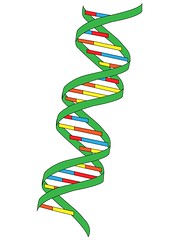
7588747501Technical drawing of a DNA molecule22
7588788268Technical drawing of a DNA molecule (#2)23
7588795889simple sugar (glucose aka an example of carbohydrate) indicator...benedicts24
7588811379starch (polysaccharide aka an examples of carbohydrate, complex) indicator...iodine25
7588818475protein indicator...biuret26
7588818476lipid indicator...brown paper27
7588829714enzymes are an example of which organic compoundprotein28
7588834487Roles enzymes play in living thingsenzymes speed up reactions, lower activation energy, and they are reusable29
7588850248Factors that affect enzyme activitypH (high acidity is what enzymes need), high temperatures (stop reactions), high concentrations of enzymes and/or substrates (speed up reaction), and presence of inhibitors (may affect the enzymes activity)30
7588901431does stomach enzyme pepsin which begins protein digestions work best under acidic conditions or not?yes, enzymes work better under high pH levels, whereas catalase would stop working at this level of enzyme31
7588914634activation energyenergy that is needed to get a reaction started32
7588922669polymermade up of bonds of monomers33
7588925547monomerone part34
7588931608the word glucose indicates it is what and why?glucose indicates it is a carbohydrate because ose means sugar.35
7588944084Carbohydrates often have what ratio?1:2:136
7588949779endothermic gain reaction37
7588954652exothermic release reaction38
7588963975activation with an enzyme and without an enzyme39
7588976386water is polar or nonpolarpolar40
7588992140oil is polar or nonpolarnonpolar41
7588995188why can't water and oil mix?they can't mix because polar and non polar do not mix42
7589024870what parts of this equation is an reactant: 2 H2 O2 --catalyze-> 2 H2 O + O22 H2 O243
7589038490what parts of this equation is a product: 2 H2 O2 --catalyze-> 2 H2 O + O22 H2 O + O244
7589042122Where does the D in DNA come from?Deoxyribose sugar45
7589052225catalyze is an enzyme and not areactant nor product and it does not change at all46
7589057209productproduced47
7589057210reactantthing that changes48
7589065229substratethe substance that an enzyme acts on (reactants)49
7589070045enzymelock and key model, enzymes are specifically modeled for a certain thing, so it is specifically named after its reactant50
7589086336sugar and phosphate backbone51
7589093464hydrogen bonds52
7589098578adenine=thymine53
7589098579cytosine=-(three lines) guanine54
7589104007discovering structure of DNAcrick and watson55
7589126052organic is made of what elementcarbon ( and hydrogen)56
7589187335catalyze akaenzyme57
7589192221basic unit of matteratom58
7589302785deep fold on an enzymeactive site59
75893603993 common categories of lipidswaxes, oils and fats60

Biochemistry Flashcards

Terms : Hide Images
6183964097Carbon and Hydrogenelements that make up organic molecules0
6183964098Carbohydrateglucose1
6183964099Lipidphospholipids2
6183964100Proteininsulin3
6183964101Nucleic AcidDNA4
6183964102carbohydratecellulose5
6183964103proteinhemoglobin6
6183964104nucleic acidRNA7
6183964105lipidcell membranes8
6183964106carbohydratestarch9
6183964107carbohydrateglycogen10
6183964108carbohydratehexagon shape11
6183964109proteinsteroids12
6183964110proteindenature13
6183964111carbohydratequick energy14
6183964112proteinenzymes15
6183964113nucleic acidinvolved in protein synthesis16
6183964114proteinsmade up of amino acids17
6183964115function of glucosequick energy18
6183964116cell wallcellulose is found here19
6183964117root and stemhow starch is stored in plants20
6183964118glycogenhow animals store their starch21
6183964119liverwhere glycogen is stored22
6183964120pancreaswhere insulin is produced23
6183964121function of insulinlowers blood sugar by causing your cells to absorb sugar from the blood24
6183964122function of enzymescatalysts that speed up chemical reactions and lower activation energy25
6183964123hemoglobinhelps your red blood cells carry oxygen26
6183964124phospholipidsmake up the cell membrane and help with selective permeability27
6183964125DNAgenetic code28
6183964126RNAinvolved in protein synthesis29

Biochemistry Flashcards

Terms : Hide Images
6127215266BiochemistryChemistry dealing with chemical compounds and processes in living plants and animals0
6127215267Macromoleculeany large complex organic molecule1
6127215268OrganicContains carbon; formed from living things or the remains of living things2
6127215269InorganicNot formed from living things or the remains of living things3
6127215270MonomerA simple compound whose molecules can join together to form polymers4
6127215271PolymerA long molecule consisting of many similar or identical monomers linked together.5
6127215272CarbohydratesCompound containing carbon, hydrogen, and oxygen in the approximate ratio of C:2H:O (e.g., sugars, starches, and cellulose)6
6127215273LipidsEnergy-rich organic compounds, such as fats, oils, and waxes, that are made of carbon, hydrogen, and oxygen.7
6127215274ProteinsAny of a group of complex organic macromolecules that are composed of one or more chains of amino acids.8
6127215275Nucleic AcidsEither one or two long chains of repeating units (nucleotides) such as DNA and RNA9
6127215276MonosaccharidesMonomer of carbohydrates/ a single sugar such as fructose, galactose, and glucose10
6127215277DisaccharideTwo large sugar molecules connected together (such as lactose, maltose, and sucrose)11
6127215278PolysaccharideCarbohydrate molecules composed of long chains of sugar molecules bonded together (cellulose in plants, glycogen in animals)12
6127215279TriglycerideMade of 3 long chains attached to a small molecule called glycerol13
6127215280Saturated fatA lipid made from fatty acids that have no double bonds between carbon atoms a type of single-bond animal or vegetable fat, as that found in butter, meat, egg yolks, and coconut or palm oil, that in humans tends to increase cholesterol levels in the blood.14
6127215281Unsaturated fatA triglyceride fat containing at least one unsaturated fatty acid. Fats derived from plants are often unsaturated fats. Eating foods high in unsaturated fats can reduce the amount of cholesterol in the blood.15
6127215282Trans fatA type of unsaturated fat that can increase levels of fat and cholesterol in the bloodstream16
6127215283CholesterolThe most important sterol in living things; a sterol is a type of lipid17
6127230975amino acidsBuilding blocks of proteins, monomers of proteins18
6127247074DNAA double-stranded, helical nucleic acid molecule capable of replicating and determining the inherited structure of a cell's proteins.19

Biochemistry Flashcards

Terms : Hide Images
5451299100acidA substance that increases the hydrogen ion concentration of a solution.0
5451299101baseA substance that decreases the hydrogen ion concentration in a solution.1
5451299102ADP(Adenosine Diphosphate) The compound that remains when a phosphate group is removed from ATP, releasing energy2
5451299103ATP(adenosine triphosphate) main energy source that cells use for most of their work3
5451299104adenine (A)Purine. One of four nitrogen-containing bases in nucleotides composing the structure of RNA and DNA. Bonds with thymine.4
5451299105amino acidMonomer of Proteins5
5451299106bufferA solution that minimizes changes in pH when extraneous acids or bases are added to the solution.6
5451299107carbohydrateClass of nutrients that includes sugars and starches7
5451299108celluloseCarbohydrate component of plant cell walls.8
5451299109covalent bondA chemical bond that involves sharing a pair of electrons between atoms in a molecule9
5451299110cytosine (C)Pyrimidine. One of four nitrogen-containing bases in nucleotides composing the structure of RNA and DNA. Bonds with guanine.10
5451299111dehydration reactionA chemical reaction in which two molecules covalently bond to each other with the removal of a water molecule.11
5451299112denaturationA process in which a protein unravels, losing its specific structure and hence function; can be caused by changes in pH or salt concentration or by high temperature. Also refers to the separation of the two strands of the DNA double helix, caused by similar factors.12
5451299113disaccharideA double sugar molecule made of two monosaccharides bonded together through dehydration synthesis.13
5451299114DNADeoxyribonucleic acid. A double-stranded, helical nucleic acid molecule capable of replicating and determining the inherited structure of a cell's proteins.14
5451299115double helixThe form of native DNA, referring to its two adjacent polynucleotide strands wound into a spiral shape.15
5451299116emulsificationphysical process of breaking up large fat globules into smaller globules, thereby increasing the surface area that enzymes can use to digest the fat16
5451299117enzymeA type of protein that speeds up a chemical reaction in a living thing17
5451299118fatA large lipid molecule made from an alcohol called glycerol and three fatty acids; a triglyceride. Most function as energy-storage molecules.18
5451299119fatty acidMonomer of lipids, along with glycerol19
5451299120functional groupthe portion of a molecule that is active in a chemical reaction and that determines the properties of many organic compounds20
5451299121glucoseC6H12O621
5451299122glycogenAn extensively branched glucose storage polysaccharide found in the liver and muscle of animals; the animal equivalent of starch.22
5451299123guanine (G)Purine. One of four nitrogen-containing bases in nucleotides composing the structure of RNA and DNA. Bonds with cytosine.23
5451299124hexoseA six carbon sugar molecule24
5451299125hydrogen bondA type of weak chemical bond formed when the slightly positive hydrogen atom of a polar covalent bond in one molecule is attracted to the slightly negative atom of a polar covalent bond in another molecule.25
5451299126hydrolysis reactionA chemical reaction that breaks apart a larger molecule by adding a molecule of water26
5451299127hydrophilicWater loving27
5451299128hydrophobicWater fearing28
5451299129inorganic moleculeMolecules that do not contain the element carbon (in most cases)29
5451299130ionA particle that is electrically charged (positive or negative)30
5451299131atomSmallest unit of matter that still retains the properties of an element31
5451299132ionic bondA chemical bond resulting from the attraction between oppositely charged ions.32
5451299133lipidEnergy-rich organic compounds, such as fats, oils, and waxes, that are made of carbon, hydrogen, and oxygen.33
5451299134moleculeA group of atoms held together by covalent bonds.34
5451299135monomerA simple compound whose molecules can join together to form polymers35
5451299136monosaccharideA single sugar molecule such as glucose or fructose, the simplest type of sugar.36
5451299137nucleotideA building block of DNA, consisting of a five-carbon sugar covalently bonded to a nitrogenous base and a phosphate group.37
5451299138oilTriglyceride, usually of plant origin that is liquid form38
5451299139organic moleculeA molecule containing carbon that is a part of or produced by living systems.39
5451299140pentoseA five carbon sugar molecule40
5451299141peptide bondThe chemical bond that forms between the carboxyl group of one amino acid and the amino group of another amino acid41
5451299142phospholipidA lipid made up of a glyerol joined to two fatty acids and a phosphate group; has two hydrophobic tails and a polar, hydrophilic head42
5451299143pH scalemeasurement system used to indicate the concentration of hydrogen ions (H+) in solution; ranges from 0 to 1443
5451299144polar covalent bondA covalent bond in which electrons are not shared equally44
5451299145polymerA long molecule consisting of many similar or identical monomers linked together.45
5451299146polypeptideA polymer (chain) of many amino acids linked together by peptide bonds.46
5451299147polysaccharideCarbohydrates that are made up of more than two monosaccharides47
5451299148proteinA three dimensional polymer made of monomers of amino acids.48
5451299149purinea nitrogenous base that has a double-ring structure; such as adenine or guanine; when joined with sugar or phosphate, a component of nucleotides and nucleic acids49
5451299150pyrimidinea nitrogenous base that has a single-ring structure; one of the two general categories of nitrogenous bases found in DNA and RNA; thymine, cytosine, or uracil50
5451299151RNARibonucleic acid. A type of nucleic acid consisting of nucleotide monomers with a ribose sugar and the nitrogenous bases adenine (A), cytosine (C), guanine (G), and uracil (U); usually single-stranded; functions in protein synthesis and as the genome of some viruses.51
5451299152saturated fatty acidA fatty acid in which all carbons in the hydrocarbon tail are connected by single bonds, thus maximizing the number of hydrogen atoms that can attach to the carbon skeleton.52
5451299153soluteA substance that is dissolved in a solution.53
5451299154solventA liquid substance capable of dissolving other substances54
5451299155starchA storage polysaccharide in plants consisting entirely of glucose.55
5451299156steroidA type of lipid characterized by a carbon skeleton consisting of four rings with various functional groups attached.56
5451299157thymine (T)Pyrimidine. One of four nitrogen-containing bases in nucleotides composing the structure of DNA. Bonds with adenine.57
5451299158triglycerideThe form of fat storage in adipose cells; consists of a molecule of glycerol joined with three fatty acids.58
5451299159unsaturated fatty acidA fatty acid possessing one or more double bonds between the carbons in the hydrocarbon tail. Such bonding reduces the number of hydrogen atoms attached to the carbon skeleton.59
5451299160uracil (U)Pyrimidine. One of four nitrogen-containing bases in nucleotides composing the structure of RNA. Bonds with adenine.60

Biochemistry Flashcards

Terms : Hide Images
6003399224ElementBasic building block of physical matter. Cannot be broken down to simpler structure.0
6003402423AtomThe smallest unit of an element.1
6003404323CompoundA chemical substance composed of two or more atoms of elements.2
6003409862MoleculeThe smallest unit of a compound.3
6003412947pH ScaleThe scale that is used to identify acids and bases (ranges from 0-14), acids are below 7, bases are above 7, neutral is equal to 7.4
6003421345PolymerA substance made of "many parts".5
6003424695Organic CompoundGrouping of elements that always includes carbon. Essential to life's cellular processes.6
6003428759CarbohydrateOrganic compound that is the quickest energy source for life. Contains carbon, hydrogen, and oxygen (sugars and starches).7
6003437201LipidOrganic compound used for long term energy storage and makes up cell membranes. Contains carbon and hydrogen (fat, oil, wax).8
6003446569ProteinOrganic compound used for growth and repair that includes the enzyme group. Contains carbon, hydrogen, oxygen, and nitrogen.9
6003453755Nucleic AcidOrganic compounds also known as DNA or RNA that code for all genetic information essential to life. Contains hydrogen, oxygen, nitrogen, carbon, and phosphorous.10
6003462872NucleotideMonomer of a nucleic acid, composed of a 5-Carbon sugar, phosphate group and a nitrogenous base.11
6003468747Amino AcidMonomer of a protein, includes a variable side chain which makes each one unique.12
6003473456CelluloseRigid carbohydrate that is found in the cell wall of plant cells.13
6003478515InsulinProtein hormone released by the pancreas in response to blood glucose levels.14
6003483507HemoglobinProtein in red blood cells containing iron; is responsible for circulating oxygen in the blood stream.15
6003488062EnzymeA type of protein that breaks compounds down and speeds up reactions.16
6003492177SubstrateThe molecule to which an enzyme binds and acts upon (puzzle pieces).17
6003498552Active SiteSite on an enzyme that binds to the substrate and triggers a chemical reaction, also determines the type of substrate to be acted upon.18
6003507948Activation EnergyThe necessary energy to start a chemical reaction.19

Pages

Subscribe to CourseNotes RSS

Need Help?

We hope your visit has been a productive one. If you're having any problems, or would like to give some feedback, we'd love to hear from you.

For general help, questions, and suggestions, try our dedicated support forums.

If you need to contact the Course-Notes.Org web experience team, please use our contact form.

Need Notes?

While we strive to provide the most comprehensive notes for as many high school textbooks as possible, there are certainly going to be some that we miss. Drop us a note and let us know which textbooks you need. Be sure to include which edition of the textbook you are using! If we see enough demand, we'll do whatever we can to get those notes up on the site for you!