AP Notes, Outlines, Study Guides, Vocabulary, Practice Exams and more!

AP English Language - Rhetorical devices Flashcards

Terms : Hide Images
7178268574allegoryDevice of using character and/or story symbolically to represent an abstraction in addition to the literal meaning. The allegorical meaning usually deals with moral truth or a generalization about human existence. EX. In the book, "Lord Of The Flies", Piggy's glasses symbolize knowledge.0
7178268575alliterationRepetition of sound, especially initial consonant sounds in two or more neighboring words. Repetition can reinforce meaning, unify ideas, supply a musical sound, and/or echo the sense of the passage. EX. Sally Sold Sea Shells by the Sea Shore.1
7178268576allusionDirect or indirect reference to something which is presumably commonly known, such as an event, book, myth, place, or work of art. May be historical, literary, religious, topical, or mythical. EX. "Hey! Guess who the new Newton of our school is?" - "Newton", means a genius student, alludes to a famous scientist Isaac Newton.2
7178268577ambiguityMultiple meanings, either intentional or unintentional, of word, phrase, sentence, or passage EX. A good life depends on a liver - Liver may be an organ or simply a living person.3
7178268579analogyA similarity or comparison between two different things or the relationship between them. Can explain something unfamiliar by associating it with to pointing out its similarity to something more familiar. Analogies can also make writing more vivid, imaginative, or intellectually engaging. EX. Just as a sword is the weapon of a warrior, a pen is the weapon of a writer.4
7178350105antecedentThe word, phrase, or clause referred to by a pronoun. EX. David plays football in the courtyard. All the children have gathered there.5
7178350106antithesisThe opposition or contrast of ideas; the direct opposite EX. Good and Evil6
7178268583aphorismA terse statement of known authorship which expresses a general truth or a moral principle. (If the authorship is unknown, the statement is generally considered to be a folk proverb.) An aphorism can be a memorable summation of the author's point. EX. The man who removes a mountain begins by carrying away small stones.7
7178268584apostropheA figure of speech that directly addresses an absent or imaginary person or a personified abstraction, such as liberty or love. It is an address to someone or something that cannot answer. The effect may add familiarity or emotional intensity. EX. William Wordsworth addresses John Milton as he writes, "Milton, thou shouldst be living at this hour: / England hath need of thee."8
7178268585atmosphereThe emotional mood created by the entirety of a literary work, established partly by the setting and partly by the author's choice of objects that are described. Even such elements as a description of the weather can contribute to the atmosphere. Frequently atmosphere foreshadows events. Perhaps it can create a mood. EX.9
7178347030caricatureA verbal description, the purpose of which is to exaggerate or distort, for comic effect, a person's distinctive physical features or other characteristics. EX.10
7178268586clauseA grammatical unit that contains both a subject and a verb. An independent, or main, clause expresses a complete thought and can stand alone as a sentence. A dependent, or subordinate clause cannot stand alone as a sentence and must be accompanied by an independent clause. The point that you want to consider is the question of what or why the author subordinates one element to the other. You should also become aware of making effective use of subordination in your own writing. EX. "All animals are equal, but some animals are more equal than others."11
7178268587colloquial/colloquialismThe use of slang or informalities in speech or writing. Not generally acceptable for formal writing, colloquialisms give a work a conversational, familiar tone. Colloquial expressions in writing include local or regional dialects. EX. "Sick, dude!"12
7178268589conceitA fanciful expression, usually in the form of an extended metaphor or surprising analogy between seemingly dissimilar objects. A conceit displays intellectual cleverness as a result of the unusual comparison being made. EX. The mighty oaks are as abundant as the squirrels in the forest.13
7178268590connotationThe nonliteral, associative meaning of a word; the implied, suggested meaning. Connotations may involve ideas, emotions, or attitudes. EX. Childlike, Youthful, Childish, Young Childish and childlike implies that someone is immature, but youthful infers that someone is lively and energetic.14
7178268591denotationThe strict, literal, dictionary definition of a word, devoid of any emotion, attitude, or color. EX. If you search for the meaning of the word "dove" in a dictionary, you will see that its meaning is "a type of pigeon, a wild and domesticated bird having a heavy body and short legs."15
7178268592dictionRelated to style, diction refers to the writer's word choices, especially with regard to their correctness, clearness, or effectiveness. and understand the ways in which diction can complement the author's purpose. Diction, combined with syntax, figurative language, literary devices, etc., creates an author's style. EX. formal or informal, ornate or plain16
7178268593didacticFrom the Greek, didactic literally means "teaching." Didactic works have the primary aim of teaching or instructing, especially the teaching of moral or ethical principles. EX.17
7178268595euphemismFrom the Greek for "good speech," euphemisms are a more agreeable or less offensive substitute for a generally unpleasant word or concept. The euphemism may be used to adhere to standards of social or political correctness or to add humor or ironic understatement. EX. Saying "earthly remains" rather than "corpse"18
7178268597extended metaphorA metaphor developed at great length, occurring frequently in or throughout a work. EX. "Life is a mountain, filled with switchbacks and rock slides and few straight paths to the top."19
7178268598figurative languageWriting or speech that is not intended to carry literal meaning and is usually meant to be imaginative and vivid. EX. The poorest man is the richest, and the rich are poor.20
7178268599figure of speechA device used to produce figurative language. Many compare dissimilar things. EX. Figures of speech include apostrophe, hyperbole, irony, metaphor, metonymy, oxymoron, paradox, personification, simile, synecdoche, and understatement.21
7178268600generic conventionsThis term describes traditions for each genre. These conventions help to define each genre; for example, they differentiate an essay and journalistic writing or an autobiography and political writing.22
7178268601genreThe major category into which a literary work fits. The basic divisions of literature are prose, poetry, and drama. However, genre is a flexible term; within these broad boundaries exist many subdivisions that are often called genres themselves. For example, prose can be divided into fiction (novels and short stories) or nonfiction (essays, biographies, autobiographies, etc.). Poetry can be divided into lyric, dramatic, narrative, epic, etc. Drama can be divided into tragedy, comedy, melodrama, farce, etc. EX. autobiography, biography, diaries, criticism, essays, and journalistic, political, scientific, and nature writing.23
7178268602homilyThis term literally means "sermon," but more informally, it can include any serious talk, speech, or lecture involving moral or spiritual advice.24
7178268603hyperboleA figure of speech using deliberate exaggeration or overstatement. Hyperboles often have a comic effect; however, a serious effect is also possible. Often, hyperbole produces irony. EX. "I'm so hungry I could eat a horse"25
7178268604imageryThe sensory details or figurative language used to describe, arouse emotion, or represent abstractions. On a physical level, imagery uses terms related to the five senses; we refer to visual, auditory, tactile, gustatory, or olfactory imagery. On a broader and deeper level, however, one image can represent more than one thing. For example, a rose may present visual imagery while also representing the color in a woman's cheeks and/or symbolizing some degree of perfection (It is the highest flower on the Great Chain of Being). An author may use complex imagery while simultaneously employing other figures of speech, especially metaphor and simile. In addition, this term can apply to the total of all the images in a work.26
7178268605inference/inferTo draw a reasonable conclusion from the information presented. When a multiple- choice question asks for an inference to be drawn from a passage, the most direct, most reasonable inference is the safest answer choice. If an inference is implausible, it's unlikely to be the correct answer. Note that if the answer choice is directly stated, it is not inferred and is wrong. EX.27
7178268606invectivean emotionally violent, verbal denunciation or attack using strong, abusive language. EX. "I cannot but conclude the bulk of your natives to be the most pernicious race of little odious vermin that nature ever suffered to crawl upon the surface of the earth."28
7178268607irony/ironicThe contrast between what is stated explicitly and what is really meant. The difference between what appears to be and what actually is true. In general, there are three major types of irony used in language; (1) In verbal irony, the words literally state the opposite of the writer's (or speaker's) true meaning. EX. Looking at her son's messy room, Mom says, "Wow, you could win an award for cleanliness!" (2) In situational irony, events turn out the opposite of what was expected. What the characters and readers think ought to happen is not what does happen. EX. There are roaches infesting the office of a pest control service. (3) In dramatic irony, facts or events are unknown to a character in a play or piece of fiction but known to the reader, audience, or other characters in the work. Irony is used for many reasons, but frequently, it's used to create poignancy or humor. EX. The reader knows that a storm is coming, but the children playing on the playground do not.29
7178381693litotesA form of understatement that involves making an affirmative point by denying its opposite EX. You are not as young as you used to be.30
7178268608loose sentence/non-periodic sentenceA type of sentence in which the main idea (independent clause) comes first, followed by dependent grammatical units such as phrases and clauses. If a period were placed at the end of the independent clause, the clause would be a complete sentence. A work containing many loose sentences often seems informal, relaxed, and conversational. Generally loose sentences create loose style. EX. "The teacher considered him a good student, steady if not inspired, willing if not eager, responsive to instruction and conscientious about his work."31
7178268609metaphorA figure of speech using implied comparison of seemingly unlike things or the substitution of one for the other, suggesting some similarity. Metaphorical language makes writing more vivid, imaginative, thought provoking, and meaningful. EX. "She is a walking dictionary."32
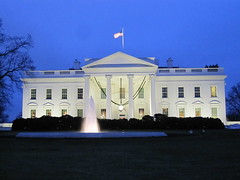
7178268610metonymyA term from the Greek meaning "changed label" or "substitute name," metonymy is a figure of speech in which the name of one object is substituted for that of another closely associated with it. EX. A news release that claims "the White House declared" rather that "the President declared" is using metonymy. The substituted term generally carries a more potent emotional impact.33
7178268611moodThis term has two distinct technical meanings in English writing. The first meaning is grammatical and deals with verbal units and a speaker's attitude. The indicative mood is used only for factual sentences. EX. "Joe eats too quickly." The subjunctive mood is used to express conditions contrary to fact. EX. "If I were you, I'd get another job." The imperative mood is used for commands. EX. "Shut the door!" The second meaning of mood is literary, meaning the prevailing atmosphere or emotional aura of a work. Setting, tone, and events can affect the mood. In this usage, mood is similar to tone and atmosphere. EX. "It was a dark and stormy night; the rain fell in torrents."34
7178268612narrativeThe telling of a story or an account of an event or series of events. EX. Narrative of the Life of Frederick Douglas35
7178268613onomatopoeiaA figure of speech in which natural sounds are imitated in the sounds of words. Simple examples include such words as buzz, hiss, hum, crack, whinny, and murmur. If you note examples of onomatopoeia in an essay passage, note the effect. EX. buzz, hiss, hum, crack, whinny, and murmur.36
7178268614oxymoronFrom the Greek for "pointedly foolish," an oxymoron is a figure of speech wherein the author groups apparently contradictory terms to suggest a paradox. EX. "jumbo shrimp" and "cruel kindness."37
7178268615paradoxA statement that appears to be self-contradictory or opposed to common sense but upon closer inspection contains some degree of truth or validity. EX. "To bring peace, we must war."38
7178268616parallelismAlso referred to as parallel construction or parallel structure, this term comes from Greek roots meaning "beside one another." It refers to the grammatical or rhetorical framing of words, phrases, sentences, or paragraphs to give structural similarity. This can involve, but is not limited to, repetition of a grammatical element such as a preposition or verbal phrase. The effects of parallelism are numerous, but frequently they act as an organizing force to attract the reader's attention, add emphasis and organization, or simply provide a musical rhythm. EX. A famous example of parallelism begins Charles Dickens's novel A Tale of Two Cities: "It was the best of times, it was the worst of times, it was the age of wisdom, it was the age of foolishness, it was the epoch of belief, it was the epoch of incredulity . . . ."39
7178387527anaphoraA sub-type of parallelism, when the exact repetition of words or phrases at the beginning of successive lines or sentences. EX. "My life is my purpose. My life is my goal. My life is my inspiration."40
7178268617parodyA work that closely imitates the style or content of another with the specific aim of comic effect and/or ridicule. As comedy, parody distorts or exaggerates distinctive features of the original. As ridicule, it mimics the work by repeating and borrowing words, phrases, or characteristics in order to illuminate weaknesses in the original. Well-written parody offers enlightenment about the original, but poorly written parody offers only ineffectual imitation. Usually an audience must grasp literary allusion and understand the work being parodied in order to fully appreciate the nuances of the newer work. Occasionally, however, parodies take on a life of their own and don't require knowledge of the original.41
7178268618pedanticAn adjective that describes words, phrases, or general tone that is overly scholarly, academic, or bookish.42
7178268619periodic sentenceA sentence that presents its central meaning in a main clause at the end. This independent clause is preceded by a phrase or clause that cannot stand alone. Adds emphasis and structural variety. It is also a much stronger sentence than the loose sentence. EX. "Ecstatic with my AP score, I let out a loud, joyful shout.!"43
7178268620personificationA figure of speech in which the author presents or describes concepts, animals, or inanimate objects by endowing them with human attributes or emotions. Personification is used to make these abstractions, animals, or objects appear more vivid to the reader. EX. The leaves danced around as they began falling from the trees.44
7178268621point of viewIn literature, the perspective from which a story is told. There are two general divisions of point of view and many subdivision within those. (1) the first person narrator tells the story with the first person pronoun, "I," and is a character in the story. This narrator can be the protagonist, a participant (character in a secondary role), or an observer (a character who merely watches the action). (2) the third person narrator relates the events with the third person pronouns, "he," "she," and "it." There are two main subdivisions to be aware of: omniscient and limited omniscient. In the "third person omniscient" point of view, the narrator, with godlike knowledge, presents the thoughts and actions of any or all characters. This all-knowing narrator can reveal what each character feels and thinks at any given moment. The "third person limited omniscient" point of view, as its name implies, presents the feelings and thoughts of only one character, presenting only the actions of all remaining characters.45
7178268624proseOne of the major divisions of genre, prose refers to fiction and nonfiction, including all its forms . In prose the printer determines the length of the line; in poetry, the poet determines the length of the line.46
7178268625repetitionThe duplication, either exact or approximate, of any element of language, such as a sound, word, phrase, clause, sentence, or grammatical pattern. EX. "When I was a child, I spoke as a child, I understood as a child, I thought as a child".47
7178268627rhetoricFrom the Greek for "orator," this term describes the principles governing the art of writing effectively, eloquently, and persuasively. EX. "Smoking kills.... so why bother starting" poster48
7178268628rhetorical modesThis flexible term describes the variety, the conventions, and the purposes of the major kinds of writing. The four most common rhetorical modes and their purposes are as follows: (1) The purpose of exposition (or expository writing) is to explain and analyze information by presenting an idea, relevant evidence, and appropriate discussion. (2) The purpose of argumentation is to prove the validity of an idea, or point of view, by presenting sound reasoning, discussion, and argument that thoroughly convince the reader. Persuasive writing is a type of argumentation having an additional aim of urging some form of action. (3) The purpose of description is to re-create, invent, or visually present a person, place, event, or action so that the reader can picture that being described. Sometimes an author engages all five senses in description; good descriptive writing can be sensuous and picturesque. Descriptive writing may be straightforward and objective or highly emotional and subjective. (4) The purpose of narration is to tell a story or narrate an event or series of events. This writing mode frequently uses the tools of descriptive writing. These four writing modes are sometimes referred to as modes of discourse.49
7178268629sarcasmFrom the Greek meaning "to tear flesh," sarcasm involves bitter, caustic language that is meant to hurt or ridicule someone or something. It may use irony as a device, but not all ironic statements are sarcastic, that is, intended to ridicule. When well done, sarcasm can be witty and insightful; when poorly done, it's simply cruel. EX. As i fell down the stairs headfirst, I heard her say, "Look at that coordination."50
7178268630satireA work that targets human vices and follies or social institutions and conventions for reform or ridicule. Regardless of whether or not the work aims to reform human behavior, satire is best seen as a style of writing rather than a purpose for writing. It can be recognized by the many devices used effectively by the satirist: irony, wit, parody, caricature, hyperbole, understatement, and sarcasm. The effects of satire are varied, depending on the writer's goal, but good satire, often humorous, is thought provoking and insightful about the human condition. EX. Saturday Night Live, Mad Magazine51
7178268631semanticsThe branch of linguistics that studies the meaning of words, their historical and psychological development, their connotations, and their relation to one another. EX. Crash can mean auto accident, a drop in the Stock Market, to attend a party without being invited, ocean waves hitting the shore or the sound of a cymbals being struck together.52
7178268632styleThe consideration of style has two purposes: (1) An evaluation of the sum of the choices an author makes in blending diction, syntax, figurative language, and other literary devices. Some authors' styles are so idiosyncratic that we can quickly recognize works by the same author (or a writer emulating that author's style). Compare, for example, Jonathan Swift to George Orwell or William Faulkner to Ernest Hemingway. We can analyze and describe an author's personal style and make judgments on how appropriate it is to the author's purpose. Styles can be called flowery, explicit, succinct, rambling, bombastic, commonplace, incisive, or laconic, to name only a few examples. (2) Classification of authors to a group and comparison of an author to similar authors. By means of such classification and comparison, we can see how an author's style reflects and helps to define a historical period, such as the Renaissance or the Victorian period, or a literary movement, such as the romantic, transcendental or realist movement.53
7178268633subject complementThe word (with any accompanying phrases) or clauses that follows a linking verb and complements, or completes, the subject of the sentence by either (1) renaming it or (2) describing it. The former is technically a predicate nominative, the latter a predicate adjective. EX. Jason hopes to become a firefighter.54
7178268634subordinate clauseLike all clauses, this word group contains both a subject and a verb (plus any accompanying phrases or modifiers), but unlike the independent clause, the subordinate clause cannot stand alone; it does not express a complete thought. Also called a dependent clause, the subordinate clause depends on a main clause, sometimes called an independent clause, to complete its meaning. Easily recognized key words and phrases usually begin these clauses-- EX. although, because, unless, if, even though, since, as soon as, while, who, when, where, how, and that.55
7178268635syllogismFrom the Greek for "reckoning together," a syllogism (or syllogistic reasoning or syllogistic logic) is a deductive system of formal logic that presents two premises (the first one called "major" and the second, "minor") that inevitably lead to a sound conclusion. A frequently cited example proceeds as follows:EX. major Premise: All men are mortal. minor premise: Socrates is a man. conclusion: Therefore, Socrates is mortal. A Syllogism's conclusion is valid only if each of the two premises is valid. Syllogisms may also present the specific idea first ("Socrates") and the general second ("All men").56
7178268636symbol/symbolismGenerally, anything that represents itself and stands for something else. Usually a symbol is something concrete--such as an object, action, character, or scene--that represents something more abstract. However, symbols and symbolism can be much more complex. One system classifies symbols in three categories: (1) Natural symbols are objects and occurrences from nature to represent ideas commonly associated with them EX. (dawn symbolizing hope or a new beginning, a rose symbolizing love, a tree symbolizing knowledge). (2) Conventional symbols are those that have been invested with meaning by a group. Ex. (religious symbols such as a cross or Star of David; national symbols, such as a flag or an eagle; or group symbols, such as a skull and crossbones for pirates or the scales of justice for lawyers). (3) Literary symbols are sometimes also conventional in the sense that they are found in a variety of works and are generally recognized. However, a work's symbols may be more complicated as is the whale in Moby Dick and the jungle in Heart of Darkness.57
7178341143synecdocheA figure of speech in which a part of something is used to represent the whole or, occasional, the whole is used to represent a part. EX. The phrase "gray beard" refers to an old man.58
7178340553synesthesiaWhen one kind of sensory stimulus evokes the subjective experience of another. EX. "Taste the Pain"59
7178268637syntaxThe way an author chooses to join words into phrases, clauses, and sentences. Syntax is similar to diction, but you can differentiate them by thinking of syntax as the groups of words, while diction refers to the individual words. Syntax is the way in which words and punctuation are used and arranged to form phrases, clauses and sentences. EX. Incorrect: To the mall we are going. Correct: We are going to the mall.60
7178268638themeThe central idea or message of a work, the insight it offers into life. Usually theme is unstated in fictional works, but in nonfiction, the theme may be directly stated, especially in expository or argumentative writing. EX. Money can't buy happiness61
7178268639thesisIn expository writing, the thesis statement is the sentence or group of sentences that directly expresses the author's opinion, purpose, meaning, or position. Expository writing is usually judged by analyzing how accurately, effectively, and throughly a writer has proved the thesis.62
7178268640toneSimilar to mood, tone describes the author's attitude toward his material, the audience, or both. Tone is easier to determine in spoken language than in written language. Considering how a work would sound if it were read aloud can help in identifying an author's tone. EX. playful, serious, businesslike, sarcastic, humorous, formal, ornate, sardonic, and somber.63
7178268641transitionA word or phrase that links different ideas. Used especially, although not exclusively, in expository and argumentative writing, transitions effectively signal a shift from one idea to another. EX. furthermore, consequently, nevertheless, for example, in addition, likewise, similarly and on the contrary. More sophisticated writers use more subtle means of transition.64
7178268643understatementThe ironic minimizing of fact, understatement presents something as less significant than it is. The effect can frequently be humorous and emphatic. Understatement is the opposite of hyperbole. EX. your leg is broken in 3 places, so it is going to be a little sore for a while65
7178268646witIn modern usage, intellectually amusing language that surprises and delights. A witty statement is humorous, while suggesting the speaker's verbal power in creating ingenious and perceptive remarks. Wit usually uses terse language that makes a pointed statement. EX. "you can't be late until you show up"66

AP English Language and Composition Vocabulary: Course Introduction Flashcards

Terms : Hide Images
5057864814apathetic(adj.) lacking concern, emotion (Uninterested in politics, Bruno was apathetic about whether he lived under a capitalist or communist regime.)0
5057864815egotistical(adj.) excessively self-centered; conceited (Though Danielle liked her boss, she disliked his egotistical views about his own superiority to other businessmen.)1
5057865378eloquent(adj.) expressive, articulate, moving (The priest gave such an eloquent sermon that most churchgoers were crying.)2
5057865379flippant(adj.) lacking in seriousness; disrespectful, saucy (The teenager made a flippant remark to the security guard, which resulted in her ejection from the mall.)3
5057865728harangue(v.) to deliver a loud, ranting speech; (n.) a loud speech (The coach harangued his players about their performance in the first half.)4
5057865729implacable(adj.) incapable of being appeased or mitigated (Watch out: once you shun Grandma's cooking, she is totally implacable.)5
5057865974preponderance(adj.) superiority in importance or quantity (Britain's preponderance of naval resources might have secured the nation's role as a military power.)6
5057865975vehement(adj) intense, forceful, powerful (The principal threatened to suspend both boys, but Evan's mother made a vehement plea, and he only suspended Todd.)7

AP Literature Terms Flashcards

Terms : Hide Images
6742970795allegorystory or poem that can be used to reveal a hidden meaning0
6742970800approximate rhymewords in rhyming pattern that sound alike1
6742970801assonancerepetition of vowel sounds2
6742970803cacophonyblend of unharmonious sounds3
6742970804caesurapause in the middle of a line4
6742970805catharsisthe release of emotions (emotional cleanse)5
6742970806connotationsecondary meaning to a word beyond literal definition6
6742970807consonancerepetition of same consonant in words close together7
6742970808couplettwo rhyming lines in a verse8
6742970809denotationthe literal meaning of a word9
6742970810double rhymerhyme where the repeated vowel is in the second last syllable of words involved (ex; born scorn)10
6742970811end rhymerhymes occurring at the end of line11
6742970812end stopped lineline ending in regular punctuation12
6742970813English sonneta sonnet rhyming: ABAB CDCD EFEF GG13
6742970814euphonyharmonious word choice and arrangement of sounds14
6742970817figurative languagelanguage that cannot be taken literally since it was written to create a special effect or feeling15
6742970818figure of speecha way of saying something other than the ordinary way16
6742970819footbasic unit in the scansion or measurement of verse stressed and unstressed syllables17
6742970822imageryDescription that appeals to the senses (sight, sound, smell, touch, taste)18
6742970823internal rhymeA word inside a line rhymes with another word on the same line19
6742970825verbal ironyan irony in which what is said is the opposite of what is meant20
6742970826dramatic ironyirony that occurs when the meaning of the situation is understood by the audience but not by the characters in the play21
6742970827Italian sonnetA sonnet consisting of: ABBA ABBA CDE CDE or CD CD CD22
6742970828masculine rhymeA rhyme ending on the final stressed syllable23
6742970829metaphorA comparison without using like or as24
6742970831metonymyA figure of speech in which something is referred to by using the name of something that is associated with it25
6742970832octave8 line stanza26
6742970833onomatopoeiaa word that imitates the sound it represents.27
6742970834hyperbolea figure of speech that uses exaggeration to express strong emotion, make a point, or evoke humor28
6742970835oxymorona figure of speech that combines opposite or contradictory terms29
6742970836paradoxa self-contradiction or dilemma30
6742970837personificationa figure of speech in which an object or animal is given human feelings, thoughts, or attitudes31
6742970838quatraina 4-line stanza32
6742970840rhyme schemea regular pattern of rhyming words in a poem33
6742970842sesteta 6-line stanza34
6742970843similea comparison using "like" or "as"35
6742970844sonnet14 line poem36
6742970845stanzaa group of lines in a poem37
6742970847symbola thing that represents or stands for something else38
6742970848synecdochea figure of speech in which a part is made to represent the whole or vice versa39
6742970850tercet3 line stanza40
6742970851terza rimaa verse form with a rhyme scheme: ABA BCB CDC etc.41
6742970852themecentral idea/assertion of a work of literature42
6742970853understatementthe deliberate representation of something as lesser in magnitude than it actually is; a deliberate under-emphasis43
6742970854versea single line of poetry writing arranged with a metrical rhythm, typically having a rhyme44
6742970855vilanellea nineteen-line poem with two rhymes repeated throughout45
6742970856alliterationrepetition of consonant sounds at the BEGINNING of several words or in a phrase46
6742970857allusiona reference to another literary work47
6742970858anaphorathe deliberate repetition of a phrase or word at the beginning of successive clauses or stanzas48
6742970859anadiplosisthe repetition of the final words of a line at the beginning of the next49
6742970860apostrophea poem that directly addresses a person or thing that is absent50
6742970861appositiveA word or phrase that follow a noun or pronoun for emphasis or clarity51
6742970864sibilancethe use of consonants characterized by a hissing sound52
6742970865asyndetona list of words or phrases without conjunctions53
6742970866blank versea poem that employs a meter but not a rhyme scheme54
6742970868chiasmusa statement consisting of two parallel parts in which the second part is structurally reversed ("Susan walked in, and out rushed Mary.")55
6742970869conceita complex and elaborate metaphor56
6742970872dictionthe selection of words in a literary work that imply theme, attitude, and values57
6742970874enjambmentthe continuation of a word or phrase over the next line58
6742970875epithetadjective expressing quality or attribute59
6742970876euphemisma mild or indirect substituted phrase for an embarrassing or blunt expression60
6742970877formthe structural components of a poem61
6742970878free versea poem without a regular meter or rhyme62
6742970879heroic coupleta pair of rhyming lines in iambic pentameter63
6742970882ironyan intention, outcome, or meaning opposite of that intended or stated64
6742970884metaphysicala type of poetry that stresses intellect over emotion (contains a striking comparisons and a persuasive stance)65
6742970885meterthe pattern of stressed and unstressed syllables in a poem66
6742970888polysyndetonusing several conjunctions in close succession(as in 'he ran and jumped and laughed for joy')67
6742970889rhymethe same syllable sounds at the end of 2 or more lines68
6742970890scansionthe metrical analysis of a poem69
6742970892speakerthe narrator of a poem70
6742970896synesthesiadescribing one kind of sensation in terms of another ("a loud color", "a sweet sound")71
6742970897syntaxthe grammatical order and organization of words, phrases, and clauses within a sentence72
6742970898tonethe attitude of the writer toward the subject or characters73
6742970900verisimilitudethe quality of appearing to be true, real, likely, or probable74
6742970901versificationthe structural form of a verse as revealed by scansion75
6742970902lyrica short poem that focuses on the compression and expression of emotion76
6742970903ballada narrative poem made up of four-line stanzas that tends to be directly narrated77
6742970904odea poem usually addressed to a particular person, object or event that has stimulated deep and noble feelings in the poet78
6742970906sestina6 six-line stanzas ending with tercet; last words of each line in 1st stanza are repeated as last words in next stanza79
6742970908epigrama brief poem that is often witty80
6742970909elegya poem expressing lament for the dead81
6742970910aubadea poem about dawn; a morning love song; or a poem about the parting of lovers at dawn82
6742970911ekphrasticrelated to a literary description of or response to a visual work of art83
6742970912elisionthe omission of a sound or syllable when speaking (as in I'm, let's, e ' en )84
6742970914feminine rhymelines rhymed by their final 2 syllables85
6742970915syllabic verseverse measured by the number of syllables rather than the number of metrical feet86
6743159571anastropheinverted order of words87
6743171080dirgea somber song/lament expressing mourning or grief88
6743191430ellipsisthe omission of a word/phrase that is grammatically necessary but can be deduced89
6743212339idyllicpleasing or picturesque in natural simplicity90
6743224173caricaturea portrait (verbal or nonverbal) that exaggerates a facet of personality91

Ocar AP Literature Poetry Terms Flashcards

Terms : Hide Images
9850190436allegorystory or poem that can be used to reveal a hidden meaning0
9850190437alliterationbeginning of same letter or sound in closely connected words1
9850190438allusionindirect of passing reference2
9850190439anaphorarepetition in first part of a sentence , to have an artistic meaning3
9850190440apostrophefigure of speech used to adresss an imaginary character4
9850190441approximate rhymewords in rhyming pattern that sound alike5
9850190442assonancerepetition of vowel sounds6
9850190443blank versepoetry written in meter without an ending rhyme7
9850190444cacophonyblend of unharmonious sounds8
9850190445caesurapause in the middle of a line9
9850190446catharsisthe release of emotions through art (emotional cleanse)10
9850190447connotationsecondary meaning to a word11
9850190448consonancerepetition of same consonant in words close together12
9850190449couplettwo rhyming lines in a verse13
9850190450denotationthe literal meaning of a word14
9850190451double rhymerhyme where the repeated vowel is in the second last syllable of words involved (ex; born scorn)15
9850190452end rhymerhymes occurring at the end of line16
9850190453end stopped lineline ending in regular punctuation17
9850190454English sonneta sonnet rhyming ababcdcdededgg18
9850190455euphonysmooth choice and arrangement of sounds19
9850190456extended figureA figure of speech sustained or developed through a considerable number of lines or through a whole poem.20
9850190457feminine rhymelines rhymed by their final two syllables21
9850190458figurative languageLanguage that cannot be taken literally since it was written to create a special effect or feeling.22
9850190459figure of speecha way of saying something other than the ordinary way23
9850190460footbasic unit in the scansion or measurement of verse , stressed and un stressed syllables24
9850190461formexternal pattern or shape of a poem25
9850190462free versePoetry that does not have a regular meter or rhyme scheme26
9850190463imageryDescription that appeals to the senses (sight, sound, smell, touch, taste)27
9850190464internal rhymeA word inside a line rhymes with another word on the same line28
9850190465ironyA contrast between expectation and reality29
9850190466verbal ironyA figure of speech in which what is said is the opposite of what is meant30
9850190467dramatic ironyIrony that occurs when the meaning of the situation is understood by the audience but not by the characters in the play.31
9850190468italian sonnetA sonnet consisting of an octave with the rhyme pattern abbaabba, followed by a sestet with the rhyme pattern cdecde or cdcdcd32
9850190469masculine rhymeA rhyme ending on the final stressed syllable33
9850190470metaphorA comparison without using like or as34
9850190471meterA regular pattern of stressed and unstressed syllables in a line of poetry35
9850190472metonymyA figure of speech in which something is referred to by using the name of something that is associated with it36
9850190473octave8 line stanza37
9850190474onomatopoeiaA word that imitates the sound it represents.38
9850190475hyperboleA figure of speech that uses exaggeration to express strong emotion, make a point, or evoke humor39
9850190476oxymoronA figure of speech that combines opposite or contradictory terms in a brief phrase.40
9850190477paradoxA contradiction or dilemma41
9850190478personificationA figure of speech in which an object or animal is given human feelings, thoughts, or attitudes42
9850190479quatrainA four line stanza43
9850190480rhythmA regularly recurring sequence of events or actions.44
9850190481rhyme schemeA regular pattern of rhyming words in a poem45
9850190482scansionAnalysis of verse into metrical patterns46
9850190483sestet6 line stanza47
9850190484simileA comparison using "like" or "as"48
9850190485sonnet14 line poem49
9850190486stanzaA group of lines in a poem50
9850190487syllabic verseVerse measured by the number of syllables rather than the number of feet per line.51
9850190488symbolA thing that represents or stands for something else52
9850190489synecdochea figure of speech in which a part is made to represent the whole or vice versa53
9850190490synesthesiadescribing one kind of sensation in terms of another ("a loud color", "a sweet sound")54
9850190491tercet3 line stanza55
9850190492terza rimaa verse form with a rhyme scheme: aba bcb cdc, etc.56
9850190493themeCentral idea of a work of literature57
9850190494understandmentthe deliberate representation of something as lesser in magnitude than it actually is; a deliberate under-emphasis58
9850190495verseA single line of poetry writing arranged with a metrical rhythm, typically having a rhyme59
9850190496vilanellea nineteen-line poem with two rhymes throughout, consisting of five tercets and a quatrain, with the first and third lines of the opening tercet recurring alternately at the end of the other tercets and with both repeated at the close of the concluding quatrain.60
985019203261

AP Literature and Composition: Vocabulary Cummulative Flashcards

Terms : Hide Images
5439233997acquiesce(v.) to give-in0
5439233998adroit(adj.) skillful; clever1
5439236474advocate(n.) supporter (v.) to support2
5439236475aesthetic(adj.) beautiful; art and beauty3
5439236476affirmation(n.) confirmation4
5439239734alienate(v.) to make hostile5
5439239735altruistic(adj.) selfless6
5439242467ambiguous(adj.) unclear7
5439253461ambivalence(n.) conflicting emotions8
5439253462ameliorate(v.) to make better9
5439253463amity(n.) peaceful relations10
5439256383amorphous(adj.) shapeless11
5439269103analogous(adj.) comparable12
5439287361anarchist(n.) rebel13
5439289784antagonistic(adj.) hostile; aggravated14
5439289819antithesis(n.) direct opposite15
5439292858apathy(n.) laziness16
5439292859appease(v.) pacify; to calm17
5439296900apprehension(n.) nervousness18
5439296901arbitrary(adj.) random19
5439299383arrogance(n.) superior attitude20
5439301912articulate(v.) to speak well (adj.) well spoken21
5439305674ascendancy(n.) superiority22
5439305675ascetic(adj.) self-denial23
5439308148assuage(v.) to lessen guilt24
5439310771astute(adj.) shrewd25
5439313907asylum(n.) shelter; refuge26
5439313908atrophy(n.) the condition of wasting away (v.) wasting away27
5439317791augment(v.) to improve or enhance28
5439317792austerity(n.) self-denial of money29
5439322897banal(adj.) dull30
5439322898belittle(v.) disparage31
5439322899belligerent(adj.) of war32
5439322900benevolent(adj.) kindliness33
5439324988benign(adj.) harmless34
5439324989blasphemous(adj.) profane acts against God35
5439324990blithe(adj.) cheerful36
5439327059bolster(v.) to support37
5439327060brevity(n.) briefness38
5439327061capricious(adj.) erratic; fickle39
5439327062caustic(adj.) sarcastic; biting40
5439329718censorious(adj.) critical41
5439329719censure(n.) strong disapproval (v.) to show strong disapproval42
5439332162charlatan(n.) fraud43
5439332163chimerical(adj.) fanciful44
5439336178clamor(n.) a loud outcry (v.) to make a loud outcry45
5439337947clemency(n.) mercy; forbearance46
5439337948coalesce(v.) to unite47
5439337949coercion(n.) use of force48
5439337950complacent(adj.) smug self-satisfaction49
5439340394compliance(n.) observance of; adhere to50
5439340395concede(v.) to give-up; admit as true51
5439340396conciliatory(adj.) winning over52
5439342348concise(adj.) brief53
5439342349concur(v.) agree54
5439342350condescend(v.) to look down on55
5439342351condone(v.) forgive or overlook an offense56
5439345066conspicuous(adj.) easily seen; clear57
5439345067contempt(n.) disrespect; disregard58
5439345068contrite(adj.) showing deep sorrow59
5439347205conviction(n.) strong belief60
5439347206crass(adj.) tasteless61
5439347207credulity(n.) believing too readily62
5439349231criterion(n.) standard; test63
5439349232cynical(adj.) disbelieving64
5439380737decadence(n.) moral decay65
5439380738defamation(n.) attack on reputation66
5439380739deference(n.) courteous respect67
5439380740deleterious(adj.) harmful68
5439380741deliberate(v.) to consider (adj.) intentional69
5439382861delineate(v.) to depict70
5439382862denounce(v.) to criticize publicly71
5439382863depravity(n.) wickedness72
5439382864deprecate(v.) to disapprove or make less of73
5439385411derivative(adj.) copy; adaptive74
5439385412despondent(adj.) extremely depressed75
5439385413deterrent(n.) discouraging action76
5439387653detrimental(adj.) harmful77
5439387654deviate(v.) to change course78
5439387655didactic(adj.) educational79
5439389313diminution(n.) lessening80
5439389314discerning(adj.) good judgement81
5439389315discretion(n.) cautious reserve82
5439391703discriminating(adj.) seeing fine distinctions83
5439391704discursive(adj.) rambling84
5439394312disinclination(n.) unwillingness85
5439394313disparage(v.) to belittle86
5439398056disputatious(adj.) inclined to debate87
5439398057disseminate(v.) to spread about88
5439398058dissent(n.) disagreement (v.) to disagree89
5439400355dissonance(n.) a harsh sound90
5439400356divergent(adj.) going apart91
5439400357diverse(adj.) different92
5439400358dogmatic(adj.) opinionated93
5439402614dubious(adj.) questionable94
5439435100eccentric(adj.) unconventional95
5439435101elaboration(n.) additional detail96
5439435102engender(v.) to cause or produce97
5439437312enigmatic(adj.) mysterious; puzzling98
5439437313ephemeral(adj.) fleeting99
5439437314equivocal(adj.) ambiguous100
5439439190erroneous(adj.) mistaken; wrong101
5439439191exacerbate(v.) to make worse102
5439441727expedient(adj.) practical (usually unethical)103
5439441728expedite(v.) to hasten104
5439441729extol(v.) to praise105
5439444651extraneous(adj.) unessential106
5439444652extricate(v.) to free107
5439444653exuberance(n.) abundance108
5439447310facilitate(v.) to make easier109
5439447311fallacious(adj.) misleading110
5439447312fastidious(adj.) not easy to please111
5439447313fickle(adj.) changeable112
5439449522flagrant(adj.) obviously bad113
5439451824frivolity(n.) lack of seriousness114
5439451825furtive(adj.) stealthy115
5439451826gravity(n.) seriousness116
5439453846grudging(adj.) unwillingness117
5439453847guile(n.) deceptive118
5439453848gullible(adj.) easily fooled119
5439453849haphazard(adj./adv.) random120
5439456722haughtiness(n.) arrogance121
5439456723hindrance(n.) obstacle122
5439456724hypocritical(adj.) acting against beliefs123
5439468784hypothetical(adj.) educated guess124
5439508420illusory(adj.) deceptive125
5439508421immutable(adj.) unchanging126
5439508422implication(n.) suggestion127
5439512034impoverished(adj.) poor128
5439512035inadvertently(adv.) unintentionally129
5439512036inane(adj.) foolish; stupid130
5439512037incite(v.) to provoke131
5439514489incongruous(adj.) incompatible132
5439514490inconsequential(adj.) unimportant133
5439519482incorrigible(adj.) cannot be corrected134
5439519483indict(v.) to charge with a crime135
5439521735indiscriminate(adj.) random136
5439521736indolent(adj.) lazy137
5439521737infallible(adj.) incapable of error138
5439521738infamous(adj.) notorious139
5439521739infer(v.) to conclude140
5439523775injurious(adj.) harmful141
5439523776innocuous(adj.) harmless emotions142
5439523777insipid(adj.) tasteless143
5439523778insolvent(adj.) bankrupt144
5439531203insurgent(n.) the one who is rising up against (adj.) rising up against145
5439533645interminable(adj.) endless146
5439533646irresolute(adj.) weak willed147
5439533647kindle(v.) to inspire148
5439535707languish(v.) to become weak149
5439535708laud(v.) to praise150
5439537896lethargic(adj.) sluggish151
5439537897levity(n.) lack of seriousness152
5439537898loquacious(adj.) talkative153
5439541499lugubrious(adj.) mournful154
5439573594magnanimous(adj.) generous155
5439573595meander(v.) to wander156
5439573596mediocre(adj.) low quality157
5439573597mesmerize(v.) to hypnotize158
5439573598methodical(adj.) systematic159
5439576132meticulous(adj.) careful160
5439576133microcosm(n.) a miniature world161
5439576134milieu(n.) environment162
5439576135misconstrue(v.) to misinterpret163
5439578587mitigate(v.) to make less harsh164
5439578588modicum(n.) a small amount165
5439578589morose(adj.) gloomy; sullen166
5439580780nebulous(adj.) hazy167
5439582383nefarious(adj.) evil168
5439582384nepotism(n.) favoritism to relatives169
5439582385nihilism(n.) existence is useless170
5439584577nonchalance(n.) a feeling of calmness171
5439587373non sequitur(n.) a conclusion without help172
5439587374novelty(n.) new for a short time173
5439590340obdurate(adj.) stubbornly persistent174
5439590341obfuscate(v.) to obscure or confuse175
5439590342obscure(v.) to conceal (adj.) vague176
5439592943obsequious(adj.) subservient177
5439592944obstinance(adj.) stubborn despite reason178
5439592945omniscient(adj.) all knowing179
5439595070opulence(n.) wealth180
5439595071opportunist(n.) one who takes advantage181
5439595072optimist(n.) one with positive attitude182
5439597052ostensible(adj.) apparent183
5439599696ostentatious(adj.) gaudy184
5439627648parochial(adj.) provincial185
5439627649paucity(n.) scarcity186
5439627650pedantic(adj.) bookish187
5439627651peripheral(adj.) related to boundary188
5439629608pessimism(n.) expect worst outcome189
5439629609placate(v.) to appease190
5439629610plausible(adj.) possible191
5439631267pomposity(n.) arrogance192
5439631268preclude(v.) to make impossible193
5439631269predecessor(n.) one who came before194
5439633699pretentious(adj.) overdoing importance195
5439633700prodigious(adj.) extraordinarily skilled196
5439633701prolific(adj.) abundant197
5439633702provincial(adj.) narrow-minded198
5439633703punitive(adj.) punishing199
5439636718quandary(n.) dilemma200
5439636719querulous(adj.) tendency to whine201
5439636720quintessence(n.) embodiment202
5439639164ramification(n.) consequence203
5439641533recalcitrant(n.) a defiant person (adj.) defiant204
5439641534recapitulate(v.) summarize205
5439643420rectify(v.) to fix206
5439643421redundant(adj.) repetitive207
5439643422refute(v.) disprove208
5439643423relegate(v.) to banish209
5439645543renounce(v.) refuse; cancel210
5439645544reprehensible(adj.) worthy of blame211
5439645545reproach(n.) disapproval (v.) to disapprove212
5439648147repudiate(v.) disown213
5439648148respite(n.) period of relief214
5439650297rescind(v.) to cancel215
5439652571reticence(n.) reserve; silence216
5561578770sagacious(adj.) keen217
5561578771sardonic(adj.) grimly mocking; cynical218
5561581771savoir faire(n.) knowing right219
5561581772scurrilous(adj.) obscene220
5561583552scrupulous(adj.) having moral integrity221
5561585152sedition(n.) rebellion against authority222
5561587994semblance(n.) outward appearance223
5561587995sequester(v.) seclude; segregate224
5561590714sporadic(adj.) occurring irregularly225
5561592937stalwart(adj.) strong226
5561592940stigma(n.) a mark of shame227
5561599255stoic(n.) a person who is unemotional (adj.) of a person who is unemotional228
5561603759strident(adj.) a loud noise229
5561606784stringent(adj.) strict230
5561606785sublimate(v.) to refine231
5561610856subliminal(adj.) below consciousness232
5561612887succumb(v.) yield or die233
5561612888superfluous(adj.) excessive234
5561638448surreptitious(adj.) stealthy235
5561615031taciturn(adj.) silent236
5561615089tantamount(adj.) equal to237
5561617398tedious(adj.) dull238
5561617399temerity(n.) nerve; recklessness239
5561619893temperate(adj.) moderate; mild240
5561619894tentative(adj.) unconfirmed241
5561622238tenuous(adj.) loosely grasped242
5561625563timorous(adj.) fearful243
5561625564transgression(n.) sin; bad behavior244
5561632560trepidation(n.) trembling fear245
5561650208ubiquitous(adj.) everywhere at once246
5561650209umbrage(n.) resentment247
5561652642uncouth(adj.) impolite248
5561654903unctuous(adj.) smug249
5561654904unequivocal(adj.) leaving no doubt250
5561656991uniformity(n.) in same form or manner251
5561659048unilateral(adj.) one-sided252
5561661001unobtrusive(adj.) not blatant253
5561665520urbane(adj.) suave; polished254
5561667542vacillate(v.) waver between choices255
5561667544vacuous(adj.) empty of content256
5561669937vagary(n.) unpredictable wandering257
5561671951vaunted(adj.) highly praised258
5561673647vehement(adj.) powerful; emotional259
5561679234venal(adj.) capable of being bought260
5561682157venerate(v.) to honor261
5561682159verbatim(adj.) word for word262
5561683966verbose(adj.) wordy263
5561683967verdant(adj.) green264
5561685779vernacular(n.) a common language (adj.) mother language265
5561687589vestige(n.) trace; tiny amount266
5561689361vicarious(adj.) experiencing through others267
5561689362vilify(v.) slander; defame268
5561693452virulent(adj.) rapid; severe course269
5561696436vociferous(adj.) loud noises; outcry270
5561699223volition(n.) act of one's own choice271
5561701826winnow(v.) remove by air272
5561701827wither(v.) dry up273
5561704119xenophobia(n.) fear of foreigners274
5561705975zealot(n.) fanatic275

AP Human Geography: Language Chapter 5 Practice Flashcards

Language

Terms : Hide Images
8264076828MonolingualThe condition of being able to speak only a single language0
8264076815DialectA particular form of a language that is particular to a specific region or social group.1
8264076816Extinct Languagea language that no longer has any speakers, or that is no longer in current use.2
8264076817IdeogramA written character symbolizing the idea of a thing without indicating the sounds used to say it. An Example: 6 (six)3
8264076818IsoglossA geographic boundary that separates regions where different dialects occur4
8264076819Isolated Languagea natural language with no demonstrable genealogical (or "genetic") relationship with other languages; that is, one that has not been demonstrated to descend from an ancestor common with any other language. i.e A language family with only one language.5
8264076820Language BranchA Subsection of a Language Family. i.e The Romance "-------" of the Indo-European language family.6
8264076821LanguageThe method of human communication, either spoken or written, consisting of the use of words in a structured and conventional way.7
8264076822Language GroupA Collection of languages within a branch that share a common origin in the relatively recent past and display relatively few differences in grammar and vocabulary.8
8264076823Language FamilyA collection of languages related to each other through a common ancestor long before recorded history9
8264076824Indo European language familyLargest language family that includes English and most other languages in the Western Hemisphere. Also used in South and Southwest Asia.10
8264076825Sino-Tibetan Language Family2nd largest language family. Includes Madarin, Thai, Cantonese and Burmese11
8264076826Lingua FrancaA Language mutually understood and commonly used in trade by people who have different native languages12
8264076827Literary TraditionA Language that is written as well as spoken13
8264076829BilingualThe ability to speak two languages14
8264076830MultilingualThe ability to speak multiple languages15
8264076831Official LanguageThe language adopted for use by the government for the conduct of business and publication of documents.16
8264076832Pidgin LanguageA Form of speech that adopts a simplified grammar and limited vocabulary of a lingua franca, used for communications among speakers of two different languages.17
8264076833Standard LanguageThe form of a language used for official government business, education, and mass communications.18
8264076834Toponyma place name or a word derived from the name of a place19
8264076835VernacularUsing a language or dialect native to a region or country rather than a literary, cultured, or foreign language. It is usually the language of the common people.20
8264076836Creoleresults from mixing a colonizer's language with the indigenous language21
8264076837DenglishThe term is used in all German-speaking countries to refer to the increasingly strong influx of macaronic (slang) English or pseudo-English vocabulary into German.22
8264076838Indigenous languagea language that originates in a particular place, a native language23
8264076839Spanglisha hybrid language combining words and idioms from both Spanish and English, especially Spanish speech that uses many English words and expressions.24
8266977931Nomadic Warrior HypothesisMarija Gimbutas Hyp on how Indo-European came about; Kurgan People (Russia/Kazakhstan); nomadic herders; migrated in search of grassland for animals; took them to Europe, SIberia, and Iran and S Asia, used horses as weapons to conquer25
8267029477Language convergencetwo or more languages blend into one due to consistent interaction26
8267055999Language divergencea language breaks into other languages due to lack of interaction27
8267070884Agricultural theorytheory of the diffusion of the Proto-Indo-European language into Europe through the innovation of agriculture . Its hearth is around modern day Anatolia (in modern day Turkey; same as Renfrew Hypothesis - Colin Renfrew28
8267106247mutual intelligibilitybeing able to understand someone who has a different dialect29
8267167823Acculturationthe adoption of certain cultural and social characteristics of one society by another society. It usually occurs when one society is controlled, either politically, economically, socially, or all of these, by another society.30
8267261076Franglaisa form of French that borrows words from English31
8267270918National languagethe language spoken and written by the majority of people in a country; also, the official language of a country, recognized and adopted by its government32

AP Literature Vocab Week 3 Flashcards

Terms : Hide Images
7394362029TRENCHANT (TREN chunt)cutting, incisive, having a sharp point; caustic, sarcastic0
7394362030PROCRASTINATE (PRO cras tuh nate)to put off until a later time1
7394362031QUIXOTIC (kwik SAHT ik)idealistic and totally impractical2
7394362032IMPEDE (im PEED)to obstruct or interfere with; to delay3
7394362033FORBEAR (for BAYR)to refrain from; to abstain; to be patient or tolerant4
7394362034MIGRATORY ( MIE gra tory)roving, wandering, nomadic5
7394362035EVADE (ee VADE)to elude or avoid by cunning; to flee from pursuer6
7394362036EFFACE (uh FACE)to rub away7
7394362037ASUNDER (uh SUN dur)in separate parts; apart from each other in position8
7394362038INCITE (en SIGHT)to arouse to action9
7394362039Iambic pentameterEach line of verse has five feet (pentameter), each of which consists of an unstressed syllable followed by a stressed syllable (iamb). Iambic pentameter is one of the most popular metrical schemes in English poetry.10
7394362040Blank verseUnrhymed iambic pentameter. Blank verse bears a close resemblance to the rhythms of ordinary speech, giving poetry a natural feel. Shakespeare's plays are written primarily in blank verse.11
7394362041BalladAlternating tetrameter and trimeter, usually iambic and rhyming. Ex: Samuel Taylor Coleridge's "The Rime of the Ancient Mariner."12
7394362042Free verseVerse that does not conform to any fixed meter or rhyme scheme. Free verse is not, however, loose or unrestricted: its rules of composition are as strict and difficult as traditional verse, for they rely on less evident rhythmic patterns to give the poem shape. Ex: Walt Whitman's Leaves of Grass13
7394362043Footthe basic rhythmic unit into which a line of verse can be divided14
7394362044IambAn unstressed syllable followed by a stressed syllable: "to day "15
7394362045TrocheeA stressed syllable followed by an unstressed syllable: " car ry"16
7394362046DactylA stressed syllable followed by two unstressed syllables: " diff icult"17
7394362047AnapestTwo unstressed syllables followed by a stressed syllable: "it is time "18
7394362048SpondeeTwo successive syllables with strong stresses: "stop, thief"19
7394362049PyrrhicTwo successive syllables with light stresses: "up to"20

Pages

Subscribe to CourseNotes RSS

Need Help?

We hope your visit has been a productive one. If you're having any problems, or would like to give some feedback, we'd love to hear from you.

For general help, questions, and suggestions, try our dedicated support forums.

If you need to contact the Course-Notes.Org web experience team, please use our contact form.

Need Notes?

While we strive to provide the most comprehensive notes for as many high school textbooks as possible, there are certainly going to be some that we miss. Drop us a note and let us know which textbooks you need. Be sure to include which edition of the textbook you are using! If we see enough demand, we'll do whatever we can to get those notes up on the site for you!