AP Notes, Outlines, Study Guides, Vocabulary, Practice Exams and more!

A Topical Approach to Life-Span Development: Cahpter 7 Information Processing Flashcards

A Topical Approach to Life-Span Development: Chapter 7 Information Processing

Terms : Hide Images
1997695085EncodingMechanism by which information enters memory0
1997695086AutomaticityAbility to process information with little or no effort1
1997695087Strategy constructionDiscovering new procedure for processing information2
1997695088MetacognitionCognition about cognition, or "knowing about knowing"3
1997695089Habituationdecreased responsiveness to stimulus after repeated presentations4
1997695090Dishabituationrecovery of a habituated response after change in stimulation5
1997695091Memoryretention of information over time6
1997695092Processes of memoryHow information is encoded, retained, and stored in memory7
1997695093RetrievalTaking information out of storage8
1997695094StorageRetaining information over time9
1997695095Implicit Memorymemory without conscious recollection; skills and routine done automatically10
1997695096Explicit Memoryconscious memory of facts and experiences; appears after 6 months11
1997695097orienting/investigative processDirects attention to locations ('where') • Recognize objects and their features ('what') • Attention gains flexibility and speed - Sustained (focused) attention increases12
1997695098Selective AttentionFocusing on specific aspect of experience that is relevant while ignoring others13
1997695099Divided AttentionConcentrating on more than one activity at a time14
1997695100Sustained AttentionMaintain focus on selected stimulus over prolonged period; called vigilance15
1997695101Executive AttentionFocus on action planning, goals, errors and compensation, monitoring, and unknown16
1997695102Joint AttentionIndividuals focus on same object or event and requires - Ability to track another's behavior - One person directing another's attention - Reciprocal interaction17
1997695103Schema TheoryMany reasons for inaccuracy; "we fill in gaps" • People construct and reconstruct memories; mold to fit information already existing in mind18
1997695104SchemaMental frameworks that organize concepts and information; affects encoding and retrieval19
1997695105Infantile AmnesiaOne cause: immature prefrontal lobe • Adults recall little or none of first three years20
1997695106Short Term MemoryRetains information up to 15 to 30 seconds without rehearsal (span is very limited)21
1997695107Working MemoryKind of mental workbench for manipulating and assembling information • Make decisions, solve problems • Comprehend written and spoken language22
1997695108Long-Term MemoryRelatively permanent, unlimited type of memory23
1997695109Rehearsalrepetition better for short-term24
1997695110Organizingmaking information relevant25
1997695111ImageryCreating mental images for verbal information26
1997695112ElaborationEngaging in more extensive processing of information; use of examples, self-referencing27
1997695113Fuzzy Trace TheoryTwo types of memory representations28
1997695114Fuzzy Trace Theory:Verbatim memory tracePrecis Details29
1997695115Fuzzy Trace Theory:Gistcentral idea of information30
1997695116KnowledgeInfluences what people notice and how they organize, represent, interpret information31
1997695117Adulthood Long-term:Explicitconscious/declarative memory Being at the grocery store and remembering to buy something, or being able to recall events of a movie you've seen32
1997695118Adulthood Long-term:Episodic Memoryretention of information about the where and when of events33
1997695119Adulthood Long-term Semantic memoryone's knowledge about world including field of expertise34
1997695120Adulthood Long-term:Implicit memoryroutine skills and procedures performed automatically (unconscious memory) EX: unconsciously remembering how to drive a car, swing a golf club or type on a computer keyboard35
1997695121Source MemoryAbility to remember where something is learned. Contexts might be the physical setting, the emotional context, or the identity of the speaker36
1997695122Prospective MemoryRemembering to do something in the future EX: remembering to take your medicine37
1997695123ThinkingManipulating, transforming information in memory38
1997695124Conceptideas about what categories represent39
1997695125CategorieGrouping based on characteristics40
1997695126Key aspects of infant cognitive developmentAttention, memory, imitation, concepts41
1997695127Perceptual Categorizationfeatures of objects, such as size, color and movement, as well as parts of objects such as legs for animals.42
1997695128Critical ThinkingGrasping deeper meaning of ideas; open minded43
1997695129MetacognitionKnowledge about when and where to use particular strategies44
1997695130Metamemoryknowledge about memory45
1997695131Theory of Mindcuriosity or thoughts about how mental processes work46
1997695132Developmental changes: Ages 2 to 3awareness of emotions, perceptions, and desires47
1997695133Developmental changes Age: 5learn realization of false beliefs48
1997695134Developmental changes: Age 7deepening appreciation of the mind itself49
1997695135Developmental changes:Middle and Late Childhoodmind seen as active constructor of knowledge50
1997695136Developmental changes:Adolescencerealize ambivalent feelings exist51
1997695137Executive functioningUmbrella-like concept that encompasses a number of higher-level cognitive processes linked to the development of brains prefrontal cortex. Involves managing ones thoughts to engage in goal-directed behavior and to exercise self control52

Psychology Themes and Variations 9e Chapter 4 Flashcards

Terms : Hide Images
1031996635stimulationthe stimulation of sense organs0
1031996636perceptionthe selection, organization, and interpretation of sensory input1
1031996637lenstransparent eye structure that focuses the light rays falling on the retina2
1031996638nearsightednesscan see close objects but can't see far ones3
1031996639farsightednesscan see far objects but can't see close ones4
1031996640pupilhole on the center of the iris that helps regulate the amount of light coming in the eye5
1031996641retinaon the back of the eye absorbs light processes images send visual stimulus to the brain6
1031996642conesvisual receptors that play a role in daylight and color vision7
1031996643rodsvisual receptors play a key role in night vision and peripheral vision8
1031996644foveacontains only cones; vision at its best used to help focus9
1031996645dark adaptationthe process of the eye become more sensitive to light in the dark (think of the curve)10
1031996646light adaptationeyes become less sensitive to light in the bright11
1031996647receptive fieldthe retinal area that stimulated affects the firing of cells12
1031996648optic chiasmwhere the optic nerves cross in the brain13
1031996649feature detectorsneurons that respond selectively to very specific features14
1031996650subtractive color mixingremoving wave lengths of light, like mixing paint15
1031996651additive color mixingsuperimposing lights putting more light in the mixture than exists in anyone light itself16
1031996652color blindnesscomes in different forms, di or monochromats17
1031996653trichromatic theorythree different types of color receptors with different sensitivities to different wave lengths18
1031996654complementary colorswhen additively mixed creates gray/white19
1031996655afterimageimage that continues to exists even after the stimulus is removed20
1031996656opponent process theoryfour receptors, rejects trichromatic21
1031996657reversible figurean image that can be seen as two different things, rabbit or duck22
1031996658perceptual setready to see things a certain way23
1031996659inattentional blindnessmissing seeing something just because one is so focused on something else24
1031996660feature analysisdetecting elements in visual input and assembling them into something complex25
1031996661bottom-up processingprogression of individual elements to a whole26
1031996662top down processinga progression from the whole to the elements27
1031996663phi phenomenonthe illusion of movement via lots of pictures in rapid succession ie. tv28
1031996664proximitythings that are near each other just because they are near (rows of dots)29
1031996665closurepeople will complete figures to see something known (circle and cat)30
1031996666similarityelements that are similar to be grouped together (the number 2)31
1031996667Simplicityorganize elements in the most simple way possible (rectangle and square)32
1031996668continuitysee things in a smooth continuation33
1031996669perceptual hypothesiscan see something two ways because there is not enough information to process just one, but people will see one if they are told one way or the other34
1031996670depth perceptioninterpretation of visual clues to understand how near and far objects are35
1031996671binocular deptha view created using two eyes36
1031996672retinal disparityright and left see slightly differently to give information about distance pencil test37
1031996673monocular depth cuesclues about distance based on the image in either eye alone like something moving towards you38
1031996674pictorial depth cuesdistance that can be understood in a flat picture39
1031996675linear perspectiveparallel lines that run into a vanishing point40
1031996676texture gradienttexture become less as further distances41
1031996677interpositionoverlapping objects42
1031996678relative sizeobjects that are the same size the one that is larger is closer43
1031996679height in planenear objects are low distant ones are high44
1031996680light and shadowcreate dimensions using patterns of light and shadow45
1031996681perceptual constancybeing able to experience stable perception in a changing image ie someone walking towards you like the two lines46
1031996682convergencefeedback from muscles in your eye ie cross eyed its very close47
1031996683cochleasnail like tunnel in the hear used for hearing48
1031996684basilar membraneruns through the cochlea has the hair cells that are the auditory receptors49
1031996685place theorydifferent places in the basilar hear different low and high tones50
1031996686frequency theorythe whole membrane vibrates at that frequency51
1031996687sensory adaptationdecline in sensitivity to prolonged stimulation (olfactory fatigue)52
1031996688olfactory systemsmell53

Reformation Flashcards

Reformation unit for Honors Euro Studies

Terms : Hide Images
293525813Who were pre-reformers?Hus, Erasmus, Wycliff, Moore.0
293525814What did Hus believe?Urged for elimination of worldliness and corruption of clergy and attacked excessive power of papacy within church.1
293525815What did Wycliff belive?Thought there was nothing in scripture that gave popes power and urged that the bible be the sole authority and written in vernacular, he also condemned pilgrimages, the veneration of Saints, a whole series of rituals and rites that had developed in medieval churches.2
293525816What were Wycliff's followers called?Lollards.3
293525817What did Erasmus write? Who was it aimed at?In Praise of Folly. It was insulting the church, especially the monks.4
293525818What did Moore write?Utopia.5
293525819What are indulgences?Slips of paper that forgive all your sins.6
293525820Who sold indulgences?Pope Leo X.7
293525821What did Johanna Tetzel do for Pope Leo X?He made jingles for selling indulgences.8
293525822Why did Pope Leo X sell indulgences?Pope Leo loved the pleasures of life, so he spent a ton of money, eventually resulting in him emptying the treasury.9
293599250Who was a primary reformer of Germany?Luther.10
293599251What was the center of Luther's childhood?The church.11
293599252What did Luther first go to school to become?A lawyer.12
293599253What was the first turning point in Luther's life?Luther is caught in a giant storm--during the thunderstorm Luther vows himself to God.13
293599254Did Luther hold true to ALL monk practices?YES!14
293599255What caused Luther to start questioning Christianity?When he went on a mission to Rome, and saw that Rome was more about making money than it was about religion, and doesn't see how visiting religous sights will bring him closer to God.15
293599256Who was Luther's mentor?Johanna Von Staupitz.16
293599257What is Luther's main idea?Don't need the middle man of the church. Your religous relationship should be between you and God not you and the church.17
293599258Who believes the Eucharist is literal?Luther.18
293599259Who believes the Eucharist is NOT literal?Zwingli and Calvin.19
293599260Who gives Luther the opportunity to present his ideas infront of Charles V at the Diet of Worms?Fredrick the Wise.20
293599261What family is Pope Leo X apart of?Medici.21
293599262Pope Leo X sends what to Luther?Bill of Excommunication.22
293599263As the messenger carried the Bill of Excommunication closer to Luther, what did he find?Support for Luther grew.23
293599264What did Luther do to the Bill of Excommunication after receiving it?He burned it.24
293599265At the Diet of Worms, what is Luther asked to do?Recant ALL his works.25
293599266Does Luther recant his works?NO!26
293599267Were the authorities able to come to unanimous decision at the Diet of Worms? If no, what happend after?NO! Luther was allowed safe passage home to Wittenburg.27
293599268On his way home, where is Luther taken?Luther is taken to The Wartburg Castle, until things calm down.28
293599269What is the Peace of Augsburg?-End of the reglious wars in Germany -Lutheranism is granted equal legal standings with Catholicism -Gives German princes ability to determine religion of subjects29
293599270Who was the primary reformer in Switzerland?Calvin.30
293599271What religious crisis determined the rest of his life?God coming to him--makes him convinced of inner guidence of God.31
293599272What book did Calvin publish? What was it about?Institutes of the Christian Religion. Described how to organize and run a protestant church.32
293599273What were Calvin's ideas?-Must follow Bible to achieve salvation -Salvation is not absolute -Predestination -The church is the institution responsible for preaching the word of God and administering the sacraments33
293599274What two sacraments did Calvin keep?Eucharist and Baptism.34
293599275Where does Calvin take up a ministry?Geneva.35
293599276What does the Ecclesiastical Ordinances create?A church government that uses both clergy adn laymen in the service of the church and a consistory: special body for enforcing moral discipline36
293599277What city becomes a vibrant center of Protestantism? Why?Geneva, because of Calvin's success.37
293599278Who was the primary reformer of Scotland?Knox.38
293627193What are Huguenots?French Calvinists.39
293627194Who is the regent of Charles IX?Catherine Medici (his mother).40
293627195What does Catherine Medici convince her son of? And what does this lead to?She convinces her son (King Charles IX) that the Huguenots are plotting to overthrow him under the leadership of Coligny. This leads to the Saint Bartholomew's Day Massacre.41
293627196What does Henry of Navarre (Henry IV) do to reconcile faithes?He marries Marie de Medici.42
293627197Who was the English Reformation initiated by? Why?Henry VIII., because he wanted a divorce his first wife, Catherine of Aragon (who had failed to give him male heirs), and marry Anne Boleyn.43
293704744Why does the Pope delay Henry's request to divorce his wife?Church is reliant on the Holy Roman Empire. Catherine's nephew is Charles V (king of H.R.E).44
293704745What two new advisors did Henry VIII instate in place of Wolsey (Pope that delayed his divorce)?Thomas Cranmer and Thomas Cromwell.45
293704746Who was Thomas Cromwell?The King's principle secretary.46
293704747Who was Thomas Cranmer?Archbishop of Canterbury adn head of highest ecclesiastical court in England.47
293704748What did the Act of Supremacy declare?Declared the king supreme ruler of Earth and Church of England.48
293704749What was the Treason Act?Act that said it was punishable by death if you denied the king as supreme head of church.49
293704750Who challenged the Treason Act?Thomas Moore.50
293704751Who was Henry VIII's only male heir?Edward VI.51
293704752During Edward VI's rule, England moves more toward what religion?Protestantism.52
293704753Who is ruler after Edward VI?Mary I aka "Bloody Mary".53
293704754Mary wanted to restore England to what religion?Roman Catholic.54
293704755Who does Mary I marry that makes the people of England dislike her even more?Philip II of Spain.55
293704756By the end of Mary I's regin England has become more what?Protestant.56
293704757Who is ruler after Mary I?Elizabeth I.57
293704758Elizabeth's religious policy was based on what?Moderation and compromise.58
293704759What is the New Act of Supremacy?Declared Elizabeth as only supreme governor of England, as well as all spiritual or ecclesiastical things or causes as temporal.59
293704760What did the Act of Uniformity do?Restored church service of the Book of Common Prayer from the reign of Edward VI, with some revisions to make it more acceptable to Catholics.60
293704761Who was Elizabeth's greatest challenge?Mary Queen of Scots.61
293704762Elizabeth unofficially encouraged English seamen to do what?Raid Spanish ships and colonies.62
293704763At the end of Elizabeth's rule Enlgand was what?A respected adn dominant European country.63
293704764Philip II was counting on what to beat English Armada?A miracle.64
293704765The defeat of the Spanish Armada guaranteed what?For the time being England would remain a Protestant country.65
293718440The Counter Reformation was started by who? Why?Pope Paul III. In order to revive the moral authority of the Catholic church adn to stop the growing popularity of Protestantism.66
293718441What does transubstantiation mean?The body and blood of Christ, actually changing into the body adn blood of Christ once consumed.67
293718442What was the chief instrument of the Catholic Reformation?The Jesuits aka Society of Jesus.68
293718443Who founded the Society of Jesus?Ignatius of Loyola.69
293718444According to Calvin those who were going to heaven were called what?Elect.70
297893903According to Calvin those who were not going to heaven were called what?Reprobate.71

biology GRE (Mollecular and Cellular) Flashcards

Terms : Hide Images
1214883036Where is the DNA in prokaryotic CellsCytoplasm rather than nuclear envelope0
1214883037Components of Eukaryotic CellsNucleus, ER, Golgi, Lysosomes, Vacuoles, Mitochondira1
1214883038Cell TheoryAll organisms are made of cells basic unit of organizational life cells arise from2
1214883039Cell Membranesmade of lipds and proteins. lipid bilayer= barrier between3
12148830405 ways of transport across cell membrane1. diffusion- molecules moving down the concentration gradient 2.osmosis- water across a membrane as a result of a concentration gradient 3. passive transport-fluids crossing membrane through proteins in the bilayer 4.active transport- protein gets E from ATP that allows it to move with or against concentration gradient 5.Endo/Exocytosis- cells create sacs/vessicles to transport or store substances in cytoplasm4
1214883041Nucleusacces to dna/ packages it for cell division. composed of: nuclear envelope (which has two lipid bilayers, allows exchanges between nucleus and cytoplasm) nucleolus (where riobsomes are developed before being transported out of nucleus) Eukarotic DNA (chromosomes)5
1214883042ERmembrane has both smooth and rough portions. SMOOTH ER- no ribosomes. transports the stored proteins for cells. communication between smooth and golgi. Most deeloped in seens/animals that secrete hormones. ROUGH ER- large amounts of ribosomes. common in cells that produce secretions-pepsin/resin6
1214883043Golgi Bodycarry the product of the ER, where proteins are packaged for transport, Major highway for moving things out of the cell7
1214883044cytoskeletonmade up of microtubles and mirofilaments (units of protein). Flagella and cilia8
1214883045Flagella and Cillia-made of microtubules -9+2 organization9
1214883046Lysosomesmain digestion organelles of the cell,have enzymes that break things down and clear waste out of cells10
1215043396cell wallssupport and protection for cells. carbohydrate framework. extracellular matrix=collogen, fibrous proteins. Nutrients, hormones and other molecules diffuse through the cell matrix cell junctions allow for multicellular organisms cells to interact with each toher.11
1215043397carbon compoundsmost common elements are C, O, H. compounds link into chains/rings for structural utility. Less than 20 carbon atoms are grouped into 4 families- simple sugars, fatty acids, amino acids, nucleotides---> building blocks for lipds, proteins, polysaccharides, nucleic acids,12
1215043398Lipidscontain carbon and hydrogen. Mono/di/triglyceride refer to the amouns to fatty acid tails are present. Steroid=lipid with no fatty acid. Choloesterol= steroid.13
1215043399Proteinsmade up of amino acids. enzymes are proteins. three or more amino acids=polypeptide chain. denaturation changes the shape of a protein. Some denaturation =permanent, others not14
1215043400Nucleotides5 carbon sugar, nitrogen base, phosphate group. three kinds. Responsible for the transfer of protons and electrons from one reaction site to another. 1) ATP 2)Nucleotide Coenzymes transport H atoms and electrons necessary for metabolism 3)Nucleic acids. Single and double strands of nucleotide units. DNA. RNA..15
1215043401Acids bases and saltsacids release hydrogen atoms when they dissolve in water. substances that release ions when dissolved in water are bases. carbonic acid is one of the bodies main buffers, which help to keep inernal PH constant.16
1215043402atomic structureatoms are composed of sub atomic particles (protons, neutrons, and electrons). Protons and neutrons are densely concentrated in the center of the atom. The number of protons in a nucleus is the atomic number. Protons+ neutrons=mas number.17
1215043403chemical bonds (3 kinds)ionic bonds-when atom loses-gains electrons it becomes an ion. this bond is a relationship between two oppositely charged ions. covalent bonds-when atoms share electrons. Polar and non polar. Hydrogen- interaction of hydrogen molecules18
1215043404mitochondriaeneergy stored as carbs is released to form ATP. needs O2 to make ATP. Outer and inner membrane.19
1216423245PhotosynthesisPair of chemical reactions. Plants produce ATP. 1. In light dependednt reactions sunlight E is absorbed and converted to chemical energy. Chemical E transferred to ATP and NAPDH 2. In light independednt reactions, sugar and other substances are assembled with ATP and NAPDH Glucose is the end product. Photosynthesis occurs in chloroplasts, each one has a Thykaloid membrane where ATP production takes place. Products of photosyntheis (glucose) is made in the stoma.20
1216423247ATP-cells must convert energy of Carbs to ATP before uses - provides energy fr all the metabolic pathways in cells, cells could not grow, develop, repair, or reproduce21
1216423248ATP/ADP cyclecells contain high E storage molecule (ATP), which can be splot into ADP. This reaction releases heat and energy. The phosphate groups on ATP are high energy bonds, release lots of Energy.22
1216423250Electron Transport Systems-production of atp depends on ets -(aka) oxidation reduction reactions -electron transport systems absorb the energy released from excited atoms and use it23
1216423251aerobic energy releasing pathways"with oxygen", requires for operation stage 1: glucase degraded to pyruvate stage 2:krebs cycle-- pyruvate degradated to CO2 and H20 stage 3: Electron transport phophorylation (E released goes throughout system and drives the production of glucose and ATP). The free O2 combines with hydrogen to form water.24
1216423252anaerobic energy releasing pahways(without oxygen). Something besides 02 is the final electron receptor. two main anaerobic pathways 1.Lactate Fermentation. Pyruvate from glycolysis is changed to lactate. Muscle cells use lactate fermentaton. After exercise 02 levels in blood increase and lactate is converted to CO2 and H20. 2. Alchohol Fermentation. pyruvate from glycolysis produces ethanol.25
1216423253EnzymesEnzymes are proteins. Highly selective- only interact with substrates that are a match for the active site. Lock and key.26
1216423254Structure and Function of enzymes (2)Induced Fit Model- active site on the surface of the enzyme makes conact with its substrate ( they almost fit, but not quite) the bonding causes changes in the active site and the substrate to make them fit better Transition State- when the enzyme and substrate fit together perfectly the reaction happens much quicker27
1216423255activation energythe minimal amount of energy for a reaction to occur. Enzymes lower the activation energy28
1216423256pH and temp effect on enzymesideal pH for enzymes=7 optimal temps between 20-60 C29
1216423257Control of Enzymes-- Allosteric Enzymes, Feedback inhibitionenzymes allow the cells to control basic cellular functions. inhibitors can bond with enzymes and decrease ability to function Allosteric Enzymes- special sites where substances can bind and alter activity levels Feedback inhibition-enzyme can reverse activity if its producing too much. The end product binds to the original substrate and inhibits production.30
1216423258cofactors in enzyme functionnon protein subtances that have two funtions 1. help enzymes catalyze reactions 2.becoming transfer agents for enzymes Examples: NAD+ (carb breakdown) NADP+ (photosynthesis) metal ions, cytochromes31
1216423259cell divisionCytokinesis= division of cytoplasm Mitosis/Meiosis= nuclear division sexual reproduction begins with meiosis, continues with gamete production, ends with fertilization (sperm and egg nucleus combine into a zygote)32
1216423260Mitosis(PMAT) Pro- chromosomes pair up. have replicated so that parent cell has two complete sets. cell forms two poles and nucleus dissapears Meta-chromosomes align at the poles spindle fibers Ana-sister chromosomes split and go to opposite poles. cell membrane begins to devide Telo-chromosomes reach poles, nuclear membrane reforms, fiber dissapear33
1216423261animal vs plant cytokinesisanimals-occurs in the later stages of mitotsis. Center of cell develops a cleave furrow, contractile filaments pull the membrane apart. plants- have cell plate formation. have mre rigid walls, cant form cleavage furrow. Rather, vesicles form a cell plate instead. cellulose from new cell wall separate creating daughter cells.34
1216423262Meiosissplits two homologous chromosomes (same length, shape, genes) in half. Each gamete gets 1 pair homologous chromsomes. when a germ cell is in interphase,its chromosomes are duplicated by DNA (creates sister chromatids) during meiosis, these homolgous chromosomes swap segments35
1216423263Dipolidtwo homolgous chromosomes36
1216609027Allelesevery gene has a specific location on a chromosome Allele-an alternative form of a gene (one member of a pair) that is located at a specific position on a specific chromosome each allele comes from a parent and is responsible for dominant or recessive trait37
1216609028Homozygotean organism that has two identical alleles for a particular trait38
1216609029mendels law of segregationThe process by which alleles are transmitted. dipoloid organisms inherit a pair of genes for each trait.39
1216609030chromosomea long stringly aggregate of gnes that carries DNA40
1216609031Non duplicated chromosomesingle stranded. hasnt yet done replication. comprised of a centromere region that connects two arm regions (the short arm is the p arm and the long arm is the q arm).41
1216609032telomerethe end region of a chromosome... extra stuff that fills in when something is missing. Repeating non-coding DNA42
1216609033amino acids20 different kinds of amino acids each one is made up of three nucleotide bases (codon) found in DNA43
1219814061codonthree bases (ATGC). Codons are a special code to make an amino acid. There are 64 possible codons.44
1219814062Dihybrid crossbreeding betweeen organisms that dieer in two traits. To heterozygous that cross gives you heterozgous45
1219814063gameteshapoloid reproductive celss that untie during sexual reproduction to form a diploid zygote.46
1219814064homogameticgametes that contain one type of chromosome Ex:ovum47
1219814065heterogametic:gametes that conatin two types of chromosomes Ex: sperm48
1219814066Aneuploidyabnormoal number of chromosomes-- extra or not enough49
1219814067Trisomic and monosomictrisomic- if zygote has an additional chromosome (3) monosomic-if a zygote is missing a chromosome50
1219814068Errors that occur during nondisjunction1. homologous chromsomes dont separte during anaphase 1 of meiosos 2. sister chromatids dont separte during anaphase two of meiosos 251
1219814069klinefelter Syndromemales have extra X chromosome. XXY. caused by non disjunction.52
1219814070turner syndromefemales only. Genotype for only one X. (X0).53
1219814071Down Syndromenondysjunction in autosomal cell, affecting chromosome 21.54
1219814072daughter chromosomea chromosome that results from the separation of a sister chromtid during cell division. In anaphase sister chromosomes separate to form daughter chromatids.55
1219814073how time is spent in interphase90%56
1219814074Cytokinesis occurs when?telophase57
12200114225 steps of protein synthesis1.Ribosomes send message to nucleus to unzip the part of the DNA needed 2. A Nucleic called mRNA (made up of amino acids and nitrogen) bonds to one of the unzipped strands (the sense strand). TRANSCRIPTION. RNA vs DNA- RNA- uses a ribose sugar instead of deoxyribose sugar as backbone, also doesnt use the base theymine, instead uses uracil DNA- bonds in DNA are double hydrogen bonds, single bonds in RNA 3.copied mRNA strand returns to the ribisome to make protein 4. tRNA collects free amino acids and carries them to the ribosome 5.amino acids make proteins according to the mRNA instructions (THIS IS CALLED TRANSLATION)58
1220011423Phenotype and GenotypePhenotype- what is observed. outward appearance Genotype- genetic makeup. ex- homozygous dom (TT) Heterozygous (Tt) Homozygous recesive (tt)59
1220011424genea stretch of DNA that codes for a trait. A gene codes for a protein which brings about a trait.60
1220011425locuslocation of the gene on the chomosome61
1220011426Allelea varient of a gene. one gene may have multiple alleles. all alleles for the same gene exist at the same locus when a gene has more than two alleles its called multiple alleles. EX; blood type has 3 alleles, IaIb and i. Because a cell can only hold two of these alleles there are many different blood types.62
1220011427how many alleles of a gene does a cell hold?2 alleles of each gene- one from mom and one from dad.63
1220011428Blood Type IaIa or Ia iBlood type A64
1220011429IbIb or Ib iB65
1220011430IaIbAB66
1220011431iiO67
1220011432homozygouswhen two alleles that an indivisual carries are the same AA or aa68
1220011433heterozygouswhen the two alleles an individual carries are different Aa69
1220011434Wild typethe normal allele for an organisms, usually the most prevalent.70
1220011435recessivethe "weak" allele. this allele is expressed if both copies are writte as lower case.71
1220011436Complete DominanceAA-- Dominant Aa-- Dominant aa--recessive72
1220011437Co-DominanceGenotype phenotype AA A AB Both A and B BB B73
1222148182incomplete dominance ex.the color of chickens. a cross between black and white gives grey.74
1222148183leakagegene flow from one species to another75
1222148184penetrancefrequency that the genotype will result in phenotype. When something is dominant it usually has strong penetrance76
1222148185expressivityto what degree a penetrant gene is expressed.77
1222148186why meiosis is important for genetic variabilitygenetic recombination is the product of independent assortment and crossing over.78
1222148187compare and contrast the different steps of mitosis and meiosisMitosis V Meiosis no tetrads vs. tetrad formation (pairing homologous chroms/crossing over daughter cells identical to parents V daughter cells differ diploid (2n) daughter cells V haploid (1n) daughter cells 1 division V 2 divisions 2 daughter cells V 4 sperm cells or 1 egg79
1222148188segregation of genes ( what is independent asortment)a cell has two copies of each chromosome (homologous C) one from mom and dad. In independednt assortment, these chromosomes are shuffled and one cops is placed into the gamete.80
1222148189The mechanisms of independent assortmentduring metaphase 1 of meiosis, homologous chroms pair up along line in random orientation. During anaphase, the chroms are pulled apart. the ones on the left and right each go to different daughter cells81
1222148190segregation of genes (linkage)- genes on different chromosomes are randomized, those on the same chromosome arent -genes on the same chromosome are somewhat linked -crossing over reduces linkage, but only really works if the genes are farther away from each other -closer genes are, more they are linked.82
1222567659genetic recombinationindependent assortment crossing over- occurs during prophase at chiasma. The chiasma is made possible because of tetrads which are formed through synapsis83
1222567661single cross oversgenetic recombination. chromatids involved exchange alleles at a given locus. results in 2/4 recombinants.84
1222567664double cross overs (3 scenarios)three scenarios- 1.TWO STRAND DOUBLE CROSS no genetic recombination. exchange alleles and then exchange them back (called two strand double crossover, 0/4 recombinants) 2. THREE STRAND DOUBLE CROSS chromatids exchange alleles during crossover, then a crossover chromatid exchanges with anothers. Results in 2/4 recombinants 3. 4 stranded double crossover. 4/4 recombinants85
1227179312sex linked characteristics and cytoplasmic in heritancegenes for characteristics are on the X chromosome. Sex linked alleles are on X.The Y chromosome is small, carries few genes cytoplasmic inheritance- inhertiance of things other than genomic DNA. all cellular oranelles like mitochodria and inherited from mother.86
1227179313mutation (general concept)error in DNA sequence.87
1227179314random mutationrandom changes in dna sequence88
1227179315translation errorcan cause expression of mutant phenotype89
1227179316transcription errorcan cause expression of mutant phenotype90
1227179317base substitutionmutation involving base ATGC changing to a different base91
1227179318inversionwhen a stretch of DNA (a segment of chromosome) breaks off and reattatched in the opposite direction92
1227179319addition/insertionan extra base is added into the DNA sequence93
1227179320deletiona base is taken out of the dna sequence94
1227179321translocationa segment of a chromosome braks off and thenreattached someplace else95
1227179322mispairinga not pairing with t and g not pairing with c96
1227179323mutagensomehing that causes a mutation97
1227179324carcinogensomething that causes a mutaiton that causes cancer. Mitogens (increase mitosis and cause tumors)98
1227179325hardy weinburgused for bacteria/small random organisms. p+q=1 (p+q)^2=1--> p2 +2pq+q2=1 1. infinetely large population ( no genetic drift) 2. no mutation 3 no migration 4 random mating 5 no natural selection99
1227179326back crossmating between the offspring and the parent =preserve parental genotype100
1227179327generations p,f1,f2p=parent, f1=child f2=grandchildren101
1227179328fitnessreproductive succes. NEED TO REPRODUCE TO BE FIT102
1227179329directional selectionselects for a trait on one extreme. Shift to the right or left in graph EX- faster fliers, faster divers103
1227179330stabilizing selectionselects for a trait that is moderate. EX not too low or too high birth weight graph gets narrower in middle and taller104
1227179331disruptive selectionslects for extreme (camel hump graph) ONLY THREE TYPES OF SELCTION105
1227179332altruismsacraficing the fitness of the individual to benefit the group.106
1227179333speciationdefinition of species: be able to interbreed, produce fertile young, this happens naturally speciation is the formation of a new species107
1227179334ploymorphismforms of alleles/traits108
1227179335adaptationgenetic change in a population caused by natural selection. Caused by darwins natural selection109
1227179336specializationadaption of a species to fill a niche110
1227179337ecological nichethe resources the species needs to survice111
1227179338population growth and competitionpopulation growth is checked by competition scarce resources causes competition increase, slowing down population growth competiton within a speciates causes speciation112
1227179339inbreedingincreases the frequency of homozygotes (aa) increases the chance of homozygous recessive traits113
1227812173outbreedingmating with non relatives, increases heterzygosity114
1227812174bottle necksever reduction in population size, often caused by a genentic drift115
1227812175geentic driftrandom changes in allele frequencies increases as populaion size decreases116
1227812176divergent evolutionsame lineage.evolving apart to be more different ex- bats and horses, limb of the bat became wings and the horse developed hooves. Produces hmologous structures. gill-lungs fin-wings-arms tail-leg fur-epidermis-fat117
1227812177parallel evolutionsame lineage. evoloving closer together to be similar ex-feeding appendeages on crustaceans118
1227812178convergent evolutiondifferent lineage. evoloving closer together to be similar using different mechanisms. ex- bats and butterflies119
1227812179coevolutiontwo species evolove in repsonse to the other, predator/prey,host/parasite species120
1227812180symbiotic relationshipsparasitism-one bnefits (parasite), host is harmed cmmensalism-one benefits, one is not harmed mutualism-both species benfit121
1227812181ontogenydevelopment through the life of an organism122
1227812182phylogenydevelopment through evolutionary times of a lineage/species123
1227812183Molecular clock/evolutionary timerandom genetic mutations that are not acted on by natural selection occur at a constatnt rate. by measuring nuetral mutations you can figure out hosw much time has passed, and when two species diverged124
1233916340origins of life (5)1. organic molecules created by atmospheric gases fall to ocean primodial soup 2. RNA- simple organiz molecules formed RNA polymers that can self replicate 3. protocells. aggregates of RNA proteins inside lipid envelope 4. Prokaryotes first anaerobic herterotrphs 5. Eukaryotes evolved by endosymbiosis, big cells engulfing smaller cells than developing a mutualistic relationship125
1233916341chordateone of the phylums of the animal kingdom -notochord, bones replace notochord -pharyngeal pouches (gill slits in embryo) -dorsal nerve cord forms nervous system126
1233916342vertebratea group of chordates jawless agnatha (jawless fish) cartilaginous (sharks rays skates) Bony (osteichthyes) amphibians reptiles mammals (heterodontic) Birds127
1236487561commensalisman association between two organisms in which one benefits and the other derives neither benefit nor harm.128
1236487562Allens Ruleappendages of animals in cold environments (stalky and short) vs warm environments (tall, skinny)129
1236487563causes of competitive exclusionstates that two species competing for the same resources cannot coexist if other ecological factors are constant. When one species has even the slightest advantage or edge over another then the one with the advantage will dominate in the long term130
1236487564autosomesAny chromosome that is not a sex chromosome131
1236487565linkagetendency for genes on the same chromosome ending up o the same gamete132
1236487566crossing overProcess in which homologous chromosomes exchange portions of their chromatids during meiosis.133
1236487567moleculesmade up of atoms134
1236487568DNA structure and functioncomposed of 4 nucleotides - 5 carbon sugar,phosphate group,1 of for bases (ATGC), and cytosine two strands of nucleotides twisted into double helix135
1236487569DNA replicationdouble helix unwinds DNA polymerase stored pairs of nucleotides pair with those unwinded136
1236487570protein synthesis (transcription)(genetics) the organic process whereby the DNA sequence in a gene is copied into mRNA137
1236487571protein synthesis (translation)(genetics) the process whereby genetic information coded in messenger RNA directs the formation of a specific protein at a ribosome in the cytoplasm138
1236487572translation(genetics) the process whereby genetic information coded in messenger RNA directs the formation of a specific protein at a ribosome in the cytoplasm aka RNA molecules transported from the nucleus to the protoplasm are used a the templates for making polypeptide chains139
1236487573how transcription differs from DNA replication2 ways- only one sgment of the DNA stran is used (rather than whole strand) Different enzymes, RNA polymerase is active... promoters initiate transcription. The promoter binds with RNA polymerase and moves along the DNA template and joins two nucleotides into an RNA transcript.140
1236487574Translation of Genetic Code (initation)1. initation- and inhibitor starts translation by binding to a small ribosomal unit, which inturn binds to the transcript. Then a large ribosomal unit bonds with a small unit creating a complete ribosome and initiator.141
1236487575Translation of Genetic Code (Chain elongation)2. Chain elongation- a start codon a (base triplet on RNA) defines the frame for assembling amino acids in correct order. RNA then delvers amino acids to the ribosome which forms a polypeptide chain142
1236487576Translation of Genetic Code (chain termination)3.chain termination-a stop codon is reached and the robocome and polypeptide chain are detatched from the RNA transcript. The chain joins the free proteins in the cytoplasm143
1236487577X linked recessive inheritance1. mutated gene falls on X 2. males are typically efected if only possess on alelle and its recessive. Heterozygous females are normial 3. normal male + heterozygous female= 50% chance children will be carriers144
1236487578down syndromtrisomy 21 (extra chromosome on 21) three copies145
1236487579turner syndromcaused by non disjunction. have 45 chromosomes rather than 46. hace short lifespan. sterile. age prematurely.146
1236487580XYYaffects males. taller, mild retardation. normal children147
1236519538genes losing control...148
1236519539controlling gene activitycontrolled by many interacting elements regulatory proteins, enzymes, DNA molecules, control sites in substances. each cell has a specialized process for gene activity control.149
1236519540Cancersometimes gene control that regulates cell division is damaged. failure of cell control can cause a tumor cancer 1changes plasma membrance and cytoplasm in cells, enzymes disfunction. 2. cells multiply increase to high densities tissues dont realize theres overcrowding 3. cells cant adhere to parents tissue 4.cells become lethal150
1247031772Anterior Pituitary Glandfollicole stimulating hormones - acts on mature ovary, releases hormones. TSH= T3/T4 hornome, thyroxin increased TSH= hypothyroid decreased TSH= hyperthyroid negative feedback loop flat pig FSH LH ACTH TH P XXX Nothing I GH151
1247031773Posterior Pituitary GlandPost = outhouse= potty hormone, antidieretic negative feedback loop of anterior and post.152
1247031774Pineal GlandLuetinizing hormone 1. estrogen.... ovaries and abdominal fat 2. progesterone153
1247031775how muscles contractmuscle-muscle fibers-myofibrils-sarcomeres (contractile units) with alternating rows of thick and thing filaments. Then filiments are attatched to the Z line. when the thick and thin filaments of the saramere slide past each toher, the Z lines are pulled closer together. When Saromeres contract, myofibrils do also.154
1247061967Sensory/ afferent neuronsrecieve impulses from sense organs and transmit to CNS155
1247061968associative/interneuronsin CNS, transmist signals to motor neurons156
1247061969motor/efferent neuronssignals away from brain spinal c to muscles/glands157
1247061970resting potentialnot carrying an impulse158
1247061971Forebrain1 cerebrum 2 olfactory lobes 3 thalmus 4 hypothalmus159
1247061972Midbrainvisual and sensory links with cerebellum that controls balance and equillibrium160
1247061973hindbrainmedulla- atuonomic and invluntary activity cerebellum ponds161
1247061974somatic nervous systemcranial and spinal ners, sensory and motor neurons162
1247061975autonomic nervous systeminternal organs, glnds and heart muscle 1 sympathetic 2.parasympathetic163
1247061976Endorcrine systme consists of? and is regulated by what?Pituitary, thyroid, parathyroid,adrenal,thmus,pineal,gonads regualtes by hypothalmus164
1247061977Hormones HypothalmusCRH TRH GRH GIH GnRH PRH PIH165
1247061978hormones of anterior pituitaryAC TH, GH, TSH, FSH, LH, prolactin166
1247061979hormones of posterior pituitaryvasopresin (ADH), oxytocin167
1247061980Pancreasbeta cells secrete insuling Alpha cells secrete glucagon work together to regulate carbs proteins and metabolism168
1247061981Respiratory SystemPharynx, larynx, trachea- left and right bronchi-bronchioles-alveoli169
1247061982Circulatory systemright atrium-tricuspid valve-right ventricle- pumonary artery LUNGS CO2- pulmonary vein-left atrium-bicuspid valve-left ventricle systole-contraction diastole-relaxation170
1247061983Lymphatic systembrings nutrients/ 02 to cells and removes waste171
1247061984small intestinemost degestion takes place here172
1247061985liversynthesizes bile, stored in gall bladder, bile emulsifies fat173
1247061986pancreassynthesizes hormones and enzymes174
1247061987outcome of digestionnutrient molocules reducs to solube forms carbs--> glucose/fructose Proteins-->amino acids fats--> fatty acids/glycerol175
1247061988Excretory system (kidney)glomerous bowmans capsule promximal tubule distal tuble loop of henle collecting duct176
1247061989nephronremove waste products from blood177
1247061990renal artery-...pumps blood into kidney178
1247061991process of kidneyfluid entering nephron similar to blood- as fluid moves to the prox tubule much is reabsorped into blood. Glucose and sodium are reabsorbed through avtice transport179
1247061992Kidney releases these hormonesvasopresin aldosterone180
1247061993Conjunctivacovers eye181
1247061994Front and back chambers of eyefront chamber contains aqueous humor, back chamber contains vitreous humor182
1247061995Light and the eyelight enters- reaches retina- optic nerve- pupil- carries to visual part of brain183
1247061996Ear outer, inner , middle name of canaleustachian tube soundwaves cause ear drun to vibrate184
1247061997male reporductive system testes seminierous tubles epididymustestes-sperm and testosterone semi- sperm made inside epidid- storage for sperm185
1247061998cleavage of zygot and cell formationegg goes from follicole to fallopian tube 2,4,8,16,32 cells186
1247061999primary immune responseB cells carry antigen receptor proteins when B cells meet matching antigen, antigen attatches to B cell and underfoes miosis and produces 1. plasma celss and 2. memory cells. The plasma cells then produce and antigen. Macrophages and nucleophiles ingest the anitbody187
1247062000antigen and pathogenantigen- foreigh substance that causes the ummune sytem to react (usually protein, glycoprotein, or carbs) pathogens- disease producing organisms188
1247062001secondary immune responsememory cells store the information to build the same kind of plasma cells built during the primary immune response. Second time antigen attacks memory cells produce antibodies189
1247068440T Cellsa cells that is inected witha virus has antigens on its surface. The t cell recognizes the antigens and kills the cells upon contact.190
1247068441AIDsattacks the CD4 lympocites which function as helper cells helper cells can no longer stimmlate the production of B cell lymphocytes which give rise to the anti body producing plasma and memory cells191
1247068442metastasishow cancer cpreads192
1247068443pyrimidinesThymine Cytosine and Uracil193
1247068444PurinesAdenine Guanine194
1247162123Neurons...195
1247162124Aligodendritenodes at the end of each dendrite two functions 1 recognize demylinated areas 2emit liquid myelin196
1247162125nodes of ranvierelectrical messages travel along them, jump from node to node.197
1247162126chemical messages on neuronrequire polarization of neurotransmitters putting in K and taking N out198
1247162127occipital lobeheart rate respiration rate dialiation/ constriction of vessels renal function199
1247162128pareuresiscant relax center of occiptal lobe 60 billion in prisons200
1247162129spinal cordcervical 7 throacic 12 lumbar 5 saccral 1 coygeal 1-2201
1247162130saratoninordering, sequencing, inititaion of tasks, ADHD cant process executive functions because melatonin has stayed around too long. Anxiety- cells dont re uptake seratonin202
1247162131adrenal cortex(Endocrine gland) monitors blood sugar level, aids in lipid and protein metabolism203
1247162132adrenal medulla(Endocrine gland) controls cardiac function raises blood sugar and controls the size of the vessels204
1247162133Thyroid gland(Endocrine gland) helps regulate the metabolism and functions of growth and development205
1247162134parathyroidregulates calcium in blood206
1247162135Thymus glandplays role in immune response207
1247162136pineal glandthe gland that plays a major role in sexual development, sleep, and metabolism208
1247162137pituitary clandimportant role in growth and development209
12471621385 kingdoms of lifeMonera- single cells protista-single cells with greater internal complexity fungi- plants animals210
1247162139monerabacteria, most numerous no nucleus organelles have semi rigid cells walls and flagella for motility photosynthetic autotrophs reproduce by fission211
1247162140groups of monera (4)Archeabacteria- inhospitable environments photosynthetic batera- produce ATP. green algae Chemosynthetic baceria-nitrifying bacteria heterotrophic eubacteria- deadly diseases. Syphillis and limes.212
1247162141Protistssingle celled eukarytic organisms Slime molds Euglenids Chrysophates Dinoflagellates Flagellated PRotozoans Amoeboid Protozoans Sorozoans213
1247162142Fungi and major groupsheterotrophs extra cellular digestion/absorption multicellular absorb nutrients through mycelium, mesh of filaments called hyphae Sac funfi-sac shaped spores imperfect fungi- asexual, penicillin symbionts-lichen club- mushroom chrytids- swamps zygospore-reproduces SEXUALLY, bread mold214
1247162143bryophytesnon vasular land plants. simple transport systems not true roots, stems, or leaves. require a mist environment. above ground parts have protective cuticle reproductive cells are protected by insulating tissues to keep moist the embryo sporophyte begins its development inside the female gametophyte. liverworts, hornwarts, mosses.215
1247162144Spongesno organs, body symmetry collar cells capture food on microvillus and nouris sponge some reproduce sexually, other asexually (fragmentation)216
1247162145Cnidarianscoral, jellyfish, seam anemones. radial design body cavity= gut with attatched mouth nerve net= primitive nervous system produce nematocytes sacs that emit toxins sexual and asexual reproduction.217
1247162146platyhelminthesflatworms, fluke, tapeworms bilateral organ systems sac like gut, food enters through pharynx218
1247162147Molluskssnails, oysteres, clams reproductive organs heart excretory systems gills gastropods-snails Bivalves-clams Cephalopods-squid219
1247162148Annelidsearthworms, leeches, ploychaetes220
1255731824nucleosomeDNA wrapped around a histone221
1259428711muscle contraction1. action potential releases calcium (depolarization), goes through T tubles throughout cell 2.calcium release channel is opened., releases calcium ions all throughout cell 3.thick action and thin myosin filaments are juxtaposed, but cannot intereact without calcium bc myosin binding sites are covered by tropomyosin 4. troponin binds to calcium moving tropomyosin off myosin binding sites 5. myosin motors can crawl along actin and contract 6. Calcium returned to sarcoplasmic reticulum via calcium pump. 7. with no calcium there myosin releases actin and the filaments slide back to their original positions.222

Cambell Biology 9e, Ch. 6 Vocab Flashcards

Terms : Hide Images
578227536basal bodya eukaryotic cell structure consisting of a 9+0 arrangement of microtubule triplets, may organize the microtubule assembly of a cillium or flagellum and is structurally very similar to a centriole0
578227537mitochondrionan organelle in eukaryotic cells that serves as a site of cellular respiration1
578227538cell walla protective layer external to the plasma membrane in the cells of plants, prokaryotes, fungi, and some protists2
578227539cellular metabolismthe totality of the chemical reactions in a cell3
578227540central vacuolea large membranous sack with diverse roles and growth storage and sequestration of toxic substances4
578227541nuclear envelopethe double membrane that surrounds a nucleus, continuous with the ER5
578227542nucleoida non-membrane bound region in a prokayrotic cell where the DNA is concentrated6
578227543nucleusthe organelle of a eukaryotic cell that contains the genetic material in the form of chromosome made up of chromatin7
578227544organelleany of membrane enclosed structures with specialized functions, suspended in the cytosol of eukaryotic cells8
578227545peroxisomean organelle containing enzymes that transfer hydrogen atoms from various substrates to oxygen producing and then degrading hydrogen peroxide9
578227546prokaryotic cella type of cell lacking a membrane enclose nucleus and membrane enclosed organelles10
578227547ribosomea complex of rRNA and protein molecules that function as a site of protein synthesis in the cytoplasm, has subunits11
578227548rough ERthe portion of the ER with ribosome attached12
578227549scanning electron microscope (SEM)a microscope that uses an electron beam to scan the surface of a specimen to form a 3D image of it13
578227550smooth ERthe portion of the ER that is free of ribosomes14
578227551stromathe dense fluid within the cholorplast surrounding the thykaloid membrane and containing ribosomes and DNA15
578227552thylakoida flatteed, membranous sac inside of the chloroplast, often exist in stacks called grana that are interconnected16
578227553vacuolea membrane bround vesicle whose specialized function varies in different kinds of cells17
578227554transmission electron microscope (TEM)a microscope that passes an electron beam through very thin sections stained with metal atoms and is primarily used to study the internal ultrastructure of cells18
578227555plasma membranethe membrane at the boundary of every cell that acts as a selective barrier, regulating the cell's chemical composition19
578227556nucleolusa specialized structure in the nucleus, consisting of chromosomal regions containing ribosomal RNA genes along with ribosomal proteins imported from the cytoplasm20
578227557centriolea structure in the centrosome of an animal cell composed of a cylinder of microtubule triplets arranged in a 9+0 pattern21
578227558cell theorythe theory that states that the cell is the fundamental structure of life22
578227559chloroplastan organelle found in plants and photosynthetic protist that absorb sunlight and uses it to drive the synthesis of organic compounds from carbon dioxide and water23
578227560chromatinThe complex of DNA and proteins that make up eukaryotic chromosomes24
578227561chromosomea cellular structure carrying genetic material found in the nucleus of eukaryotic cells25
578227562ciliuma short appendage containing microtubules and eukaryotic cells, a motile one is specialized for locomotion or moving fluid past the cell, in a 9+2 arrangement26
578227563cristaeThe inner foldings of the inner membrane of a mitochondrion27
578227564cytoplasmThe contents of the cell bounded by the plasma membrane; in eukaryotic cells, the portion exclusive of the nucleus28
578227565cytoskeletona network of microtubules, microfilaments, and intermediate filaments extend throughout the cytoplasm and serve a variety of mechanical, transport, and signaling functions29
578227566vesiclea membranous sac in the cytoplasm of a eukarytoic cell30
578227567transport vesiclea small membranous sac in a eukaryotic cell's cytoplasm carrying molecules produced by the cell31
578227568electron microscopeAnd microscope that uses nine magnets to focus a bean of electrons through specimen getting a higher resolution of an image better than a light microscope32
578227569endomembrane systemThe collection of membranes inside and surrounding a eukaryotic cell33
578227570endoplasmic recticulumAn extensive membranous network in a eukaryotic cell, continuous with the outer nuclear membrane and composed of ribosome studded and ribosome free regions34
578227571endosymbiosisThis theory that states a early prokaryotic cell entered a eukaryotic cell and grew and lived in the environment of the eukaryotic cell living in symbiosis35
578227572eukaryotic cellThe type of cell with a membrane enclosed nucleus and membrane enclosed organelles36
578227573extracellular matrixThe meshwork surrounding animal cells, consisting of glycoproteins, polysaccharides, and proteoglycan synthesized and secreted by the cells.37
578227574flagellaA long cellular appendage specialized for locomotion, In a 9+2 arrangement.38
578227575glycoproteinsa protein with one or more covalently attached carbohydrates.39
578227576Golgi apparatusAnd organelle in eukaryotic cells consisting of stacks of flat membrane is sex that modify, store, and route products of the endoplasmic reticulum and synthesize some products40
578227577granuma stack of membrane bounded thylakoids in the chloroplasts, function in photosynthesis41
578227578integrinIn animal cells, a transmembrane receptor protein with two subunits that interconnects the extracellular matrix in the cytoskeleton42
578227579Intermediate filamenta components of the cytoskeleton that includes filaments intermediate in size between microtubules and microfilaments43
578227580Intermembrane spaceThe space in between the two plasma membranes of the mitochondria44
578227581Light microscopeAn optical instrument with lenses that refract visible light to magnify images of specimens45
578227582LysosomeAn enzyme that destroys bacterial cell walls46
578227583Microfilamenta cable composed of actin proteins in the cytoplasm of almost every eukaryotic cell making up part of the cytoskeleton47
578227584MicrographA photograph taken by means of a microscope48
578227585Microtubulea hollow rod composed of tubulin proteins that makes up part of the cytoskeleton49
578227586Mitochondrial matrixThe space of a mitochondrion enclosed by the inner membrane50

AP Biology Unit 1 Vocabulary Review Flashcards

A review of all of the Campbell 7th Edition terms for the new 2013 AP Biology Curriculum

Terms : Hide Images
2789582161polarMolecule with partial charges. Mixes with water.0
2789582162nonpolarNo partial charges. Do not mix with water.1
2789582163electronegativityAttraction of an atom for electrons in a covalent bond.2
2789582164cohesionWater molecules sticking to each other.3
2789582165adhesionWater molecules sticking to other surfaces.4
2789582166soluteSomething dissolved in a solution.5
2789582167solventDissolving agent of a solution.6
2789582168isomersSame atoms but different arrangement.7
2789582169structural isomersDiffer in arrangement of atoms.8
2789582170geometric isomerDiffer in arrangement around a double bond.9
2789582171enantiomersStructures that are like a mirror-image.10
2789582172alpha glucoseMonomer for starch and glycogen.11
2789582173beta glucoseMonomer for cellulose and chitin.12
2789582174celluloseCarbohydrate component of plant cell walls.13
2789582175starchStorage polysaccharide of plants.14
2789582176glycogenExtremely branched polymer of glucose.15
2789582177chitinPolysaccharide found in arthropod exoskeletons and fungal cell walls.16
2789582178-oseSuffix of a sugar.17
2789582179tryiacylglycerolGlycerol and three fatty acids.18
2789582180steroidsMade of four rings of carbon.19
2789582181cholesterolSteroid common in cell membranes, also in many hormones.20
2789582182peptide bondBonds that connect amino acids.21
2789582184disulphide bridgesReinforce tertiary structure.22
2789582185primary structureOrder of amino acids in a protein.23
2789582186secondary structureThree-dimensional form of segments of protein. Examples are alpha helix or beta pleated sheet.24
2789582187tertiary structureThree-dimensional structure of a single polypeptide chain.25
2789582188quaternary structureThree-dimensional structure of proteins made of multiple polypeptide subunits.26
2789582190purinesBases with a double-ring structure.27
2789582191pyrimidinesBases with a single-ring structure.28
2789582192phosphodiester bondsBonds between phosphate group and pentose sugar in nucleic acids.29
2789582193synthesisTo put together.30
2789582194digestionTo break apart.31
2789582195dehydration synthesisCondensation reaction where molecules are connected by loss of a water molecule.32
2789582196hydrolysisReaction where water split into two hydrogens and one oxygen; this breaks a polymer.33
2789582197anabolismMetabolic pathways that construct molecules, requiring energy.34
2789582198catabolismMetabolic pathways that break down molecules, releasing energy.35
2789582514transport proteinA membrane protein, specifically a transport protein, that has a hydrophilic channel that certain molecules or atomic ions use as a tunnel.36
2789582515channel proteinA membrane protein, specifically a transport protein, that has a hydrophilic channel that certain molecules or atomic ions use as a tunnel.37
2789582516aquaporinA membrane protein, specifically a transport protein, that facilitates the passage of water through channel proteins.38
2789582517carrier proteinA membrane protein, specifically a transport protein, that holds onto molecules and changes their shapes in a way that shuttles them across the membrane.39
2789582539protein kinaseThe enzyme that transfers phosphate groups from ATP to protein.40
2789582620ATP (adenosine triphosphate)Composed of a sugar ribose, nitrogenous base adenine, and a chain of three phosphate groups bonded to it.41
2789582621phosphorylationThe metabolic process of introducing a phosphate group into an organic molecule.42
2789582622catalystA chemical agent that speeds up a reaction without being consumed by the reaction.43
2789582623enzymeA catalytic protein.44
2789582624activation energyThe amount of energy needed to push the reactants over an energy barrier.45
2789582625enzyme-substrate complexWhen an enzyme binds to its substrate, it forms:46
2789582626active siteA pocket or groove on the surface of the enzyme.47
2789582627induced fitBrings chemical groups of the active site into positions that enhance their ability to catalyze the chemical reaction.48
2789582628cofactorNon-protein helpers that may be bound tightly to the enzyme as a permanent resident, or may bind loosely and reversibly along with the substrate.49
2789582629coenzymeIf the cofactor is an organic molecule.50
2789582630competitive inhibitorsReduce the productivity of enzymes by blocking substrates from entering active sites.51
2789582631noncompetitive inhibitorsImpede enzymatic reactions by binding to another part of the enzyme (other than the active site).52
2789582632allosteric regulationWhen a protein's function at one site is affected by the binding of a regulatory molecule to a separate site.53
2789582633cooperativityIt amplifies the response of enzymes to substrates.54
2789582634feedback inhibitionA metabolic pathway is switched off by the inhibitory binding of its end product to an enzyme that acts early in the pathway.55

AP Biology Chapter 53 Flashcards

Terms : Hide Images
724204799age structurethe relative number of individuals of each age in a population0
724204800big-bang reproductionreproduction in which an organism produces all of its offspring in a single event; also known as semelparity.1
724204801carrying capacitythe maximum population size that can be supported by the available resources, symbolized as K2
724204802cohorta group of individuals of the same age in a population3
724204803demographic transitionin a stable population, a shift from high birth and death rates to low birth and death rates4
724204804demographythe study of changes over time in the vital statistics of populations, especially birth rates and death rates5
724204805densitythe number of individuals per unit area or volume6
724204806density dependentreferring to any characteristic that varies with population density7
724204807density independentreferring to any characteristic that is not affected by population density8
724204808dispersionthe pattern of spacing among individuals within the boundaries of the population9
724204809ecological capacitythe natural limit of a population set by resources in a particular environment10
724204810ecological footprintthe aggregate land and water area required by a person, city, or nation to produce all of the resources it consumes and to absorb all of the waste it generates11
724204811emigrationthe movement of individuals out of a population12
724204812exponential population growthgrowth of a population in an ideal, unlimited environment, represented by a J-shaped curve when population size is plotted over time13
724204813immigrationthe influx of new individuals into a population from other areas14
724204814infant mortalityA figure that describes the number of babies that die within the first year of their lives in a given population15
724204815iteroparityreproduction in which adults produce offspring over many years; also known as repeated reproduction16
724204816K-selectionselection for life history traits that are sensitive to population density; also called density-dependent selection17
724204817life expectancy at birththe predicted average length of life at birth18
724204818life historythe traits that affect an organism's schedule of reproduction and survival19
724204819life tablean age-specific summary of the survival pattern of a population20
724204820logistic population growthpopulation growth that levels off as population size approaches carrying capacity21
724204821mark-recapture methoda sampling technique used to estimate the size of animal populations22
724204822metapopulationa group of spatially separated populations of one species that interact through immigration and emigration23
724204823populationa group of individuals of the same species that live in the same area and interbreed, producing fertile offspring24
724204824population dynamicsthe study of how complex interactions between biotic and abiotic factors influence variations in population size25
724204825population ecologythe study of populations in relation to the environment, including environmental influences on population density and distribution, age structure, and variations in population size26
724204826repeated reproductiona life history in which adults produce large numbers of offspring over many years; also known as iteroparity.27
724204827reproductive tablean age-specific summary of the reproductive rates in a population28
724204828r-selectionselection for life history traits that maximize reproductive success in uncrowded environments; also called density-independent selection29
724204829semelparityreproduction in which an organism produces all of its offspring in a single event; also known as big-bang reproduction30
724204830survivorship curvea plot of the number of members of a cohort that are still alive at each age; one way to represent age-specific mortality31
724204831territorialitya behavior in which an animal defends a bounded physical space against encroachment by other individuals, usually of its own species32
724204832zero population growth (ZPG)a period of stability in population size, when additions to the population through births and immigration are balanced by subtractions through deaths and emigration33

Ecology Flashcards

Terms : Hide Images
2428907201EcologyScientific study of interactions among organisms and between organisms and their environment0
2428910025EcologistStudies animals and the way they interact with their environment1
2428911447SymbiosisA relationship in which two different organisms live in close association with each other2
2428915032MutualismA relationship between two species in which both species benefit3
2428915964CommensalismA relationship between two organisms of different species where one benefits and the other is neither harmed nor benefited4
2428917928ParasitismA relationship between two organisms of different species where one benefits and the other is harmed5
2428919549HabitatPlace where an organism lives6
2428921548nichesthe role of an organism in its habitat, or how it makes its living7
2428928443PredatorAn animal that hunts other animals for food8
2428929089PreyAnimal hunted or caught for food9
2428930755CompetitionA common demand by two or more organisms upon a limited supply of a resource; for example, food, water, light, space, mates, nesting sites. It may be intraspecific or interspecific.10
2428931895ConsumerAn organism that eats other organisms11
2428983355ProducerAn organism that can make its own food.12
2428984429HerbivoreA consumer that eats only plants.13
2428985550CarnivoreAn animal that eats other animals14
2428986669OmnivoreAn animal that eats both plants and animals15
2428989664DecomposerAn organism that breaks down wastes and dead organisms16
2428991076Food ChainA series of steps in which organisms transfer energy by eating and being eaten17
2428993045Food WebA complex arrangement of interrelated food chains illustrating the flow of energy between interdependent organisms.18
2428994575OrganismA living thing19
2428996958PopulationA group of individuals that belong to the same species and live in the same area20
2428998236CommunityA group of interdependent organisms inhabiting the same region and interacting with each other21
2429001046EcosystemA system formed by the interaction of a community of organisms with their physical environment22
2429002593BiosphereConsists of all life on Earth and all parts of the Earth in which life exists, including land, water, and the atmosphere.23
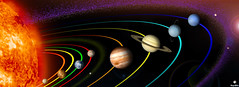
2429003769Solar SystemA star orbited by planets.24
2429004681GalaxyA collection of stars, dust, and gas bound together by gravity25
2429005669UniverseAll of space and everything in it26
2429006825AbioticNon-living27
2429007782BioticLiving28
2429008692AdaptationsChanges in physical structure, function, or behavior that allow an organism or species to survive and reproduce in a given environment.29
2429009848CamouflageThe hiding of something as a result of its appearance30
2429013239BiomeA group of ecosystems with similar climates and organisms31
2429014698ResourcesItems needed to survive: water, air, space, light, shelter32
2429018899EvolutionChange in a kind of organism over time; process by which modern organisms have descended from ancient organisms.33
2429020382Carrying CapacityThe largest population that an area can support34
2429021193Limiting FactorsConditions in the environment that put limits on where an organism can live35
2429095378Energy PyramidA diagram that shows the amount of energy that moves from one feeding level to another in a food web36

APUSH Chapter 10-13 Flashcards Flashcards

Terms : Hide Images
1006543275Bill of RightsThe first ten amendments of the U.S. Constitution, containing a list of individual rights and liberties, such as freedom of speech, religion, and the press.0
1006543276Judiciary Act of 1789In 1789 Congress passed this Act which created the federal-court system. The act managed to quiet popular apprehensions by establishing in each state a federal district court that operated according to local procedures.1
1006543277AssumptionEconomic policy of Alexander Hamilton where the central government would assume the debts of all the states. It would tie the states closer to the federal government.2
1006543278TariffA government tax on imports or exports3
1006543279Excise taxA taxed, proposed by Hamilton that placed a tax on a few domestic items, such as whiskey. This angered some farmers who know had to pay tax on their whiskey and made it difficult to trade it. This caused minor rebellions which were squashed because of the fright of a rebellion.4
1006543280Bank of the United StatesHamilton's plan to solve Revolutionary debt, Assumption highly controversial, pushed his plan through Congress, based on loose interpretation of Constitution5
1006543281Whiskey Rebellion1794 protest against the government's tax on whiskey by backcountry farmers6
1006543282Neutrality Proclamationa 1793 statement by President Washington that the United States would not support or aid either France or Britain in their European conflict7
1006543283Jay's Treaty1794 - It was signed in the hopes of settling the growing conflicts between the U.S. and Britain. It dealt with the Northwest posts and trade on the Mississippi River. It was unpopular with most Americans because it did not punish Britain for the attacks on neutral American ships. It was particularly unpopular with France, because the U.S. also accepted the British restrictions on the rights of neutrals.8
1006543284Farewell Address1796 speech by Washington urging US to maintain neutrality and avoid permanent alliances with European nations9
1006543285XYZ Affair(JA) , incident of the late 1790s in which French secret agents demanded a bribe and a loan to France in lieu of negotiating a dispute over the Jay Treaty and other issues10
1006543286Convention of 1800A conference between the U.S. and France which ended the naval hostilities.11
1006543287Alien & Sedition ActsActs passed by federalists giving the government power to imprison or deport foreign citizens and prosecute critics of the government12
1006543288VA and KY ResolutionsWritten anonymously by Jefferson and Madison in response to the Alien and Sedition Acts, they declared that states could nullify federal laws that the states considered unconstitutional.13
1006543289Revolution of 1800Jefferson's view of his election to presidency. Jefferson claimed that the election of 1800 represented a return to what he considered the original spirit of the Revolution. Jefferson's goals for his revolution were to restore the republican experiment, check the growth of government power, and to halt the decay of virtue that had set in under Federalist rule.14
1006543290PatronageGranting favors or giving contracts or making appointments to office in return for political support15
1006543291Marbury v. Madison(1803) Marbury was a midnight appointee of the Adams administration and sued Madison for commission. Chief Justice Marshall said the law that gave the courts the power to rule over this issue was unconstitutional. established judicial review16
1006543292Louisiana Purchase1803 - The U.S. purchased the land from the Mississippi River to the Rocky Mountains from Napoleon for $15 million. Jefferson was interested in the territory because it would give the U.S. the Mississippi River and New Orleans (both were valuable for trade and shipping) and also room to expand. Napoleon wanted to sell because he needed money for his European campaigns and because a rebellion against the French in Haiti had soured him on the idea of New World colonies. The Constitution did not give the federal government the power to buy land, so Jefferson used loose construction to justify the purchase.17
1006543293ImpressmentBritish practice of taking American sailors and forcing them into military service18
1006543294Chesapeake affair1807 - The American ship Chesapeake refused to allow the British on the Leopard to board to look for deserters. In response, the Leopard fired on the Chesapeake. As a result of the incident, the U.S. expelled all British ships from its waters until Britain issued an apology.19
1006543295Embargo Act1807 act which ended all of America's importation and exportation. Jefferson hoped the act would pressure the French and British to recognize U.S. neutrality rights in exchange for U.S. goods. Really, however, just hurt Americans and our economy and got repealed in 1809.20
1006543296War hawksCongressman from the South and West who pushed for war against the British21
1006543297John MarshallAmerican jurist and politician who served as the chief justice of the U.S. Supreme Court (1801-1835) and helped establish the practice of judicial review.22
1006543298Lewis & Clark2 American explorers who explored the Louisiana purchase and discovered valuable information with the help of Sacagawea23
1006543299Aaron BurrJefferson's Vice President; killed Alexander Hamilton in a duel24
1006543300James Madison1808 and 1812; Democratic-Republican; notable events include the War of 1812, let the charter of the First Bank of the United States expire, but realized it was difficult to finance a war without the bank, so he chartered the 2nd Bank of the United States25
1006543301Tecumseh-Shawnee leader who attempted to organize an indian confederacy to prevent the loss of additional territory to American settlers.26
1006543302Battle of New OrleansJackson led a battle that occurred when British troops attacked U.S. soldiers in New Orleans on January 8, 1815; the War of 1812 had officially ended with the signing of the Treaty of Ghent in December, 1814, but word had not yet reached the U.S.27
1006543303Treaty of GhentDecember 24, 1814 - Ended the War of 1812 and restored the status quo. For the most part, territory captured in the war was returned to the original owner. It also set up a commission to determine the disputed Canada/U.S. border.28
1006543304Hartford ConventionMeeting of Federalists near the end of the War of 1812 in which the party listed it's complaints against the ruling Republican Party. These actions were largley viewed as traitorous to the country and lost the Federalist much influence29
1006543305Era of Good FeelingsA name for President Monroe's two terms, a period of strong nationalism, economic growth, and territorial expansion. Since the Federalist party dissolved after the War of 1812, there was only one political party and no partisan conflicts.30
1006543306Land Act of 1820Fueled the settlement of the Northwest and Missouri territories by lowering the price of public land. Also prohibited the purchase of federal acreage on credit, thereby eliminating one of the causes of the Panic of 1819.31
1006543307Missouri Compromise"Compromise of 1820" over the issue of slavery in Missouri. It was decided Missouri entered as a slave state and Maine entered as a free state and all states North of the 36th parallel were free states and all South were slave states.32
1006543308McCulloch v. MarylandMaryland was trying to tax the national bank and Supreme Court ruled that federal law was stronger than the state law33
1006543309Loose constructionBelief that the government can do anything that the Constitution does not prohibit34
1006543310Gibbons v. OgdenRegulating interstate commerce is a power reserved to the federal government35
1006543311Fletcher v. PeckSupreme Court case which protected property rights and asserted the right to invalidate state laws in conflict with the Constitution36
1006543312Dartmouth v. Woodward1819--New Hampshire had attempted to take over Dartmouth College by revising its colonial charter. The Court ruled that the charter was protected under the contract clause of the U. S. Constitution; upholds the sanctity of contracts.37
1006543313Adams-Onis Treaty(1819) Spain ceded Florida to the United States and gave up its claims to the Oregon Territory38
1006543314Monroe Doctrine(1823) A political policy of the United States by President James Monroe that states the Western Hemisphere is closed to European interference.39
1006543315James Monroe1816 and 1820; Democratic-Republican; his time in office is described as "The Era of Good Feelings," notable events include the Missouri Compromise, the establishment of the Monroe Doctrine, the acquisition of Florida from Spain, and several transportation improvements.40
1006543316Spoils systemA system of public employment based on rewarding party loyalists and friends.41
1006543317Tariff of Abominations1828 - Also called Tariff of 1828, it raised the tariff on imported manufactured goods. The tariff protected the North but harmed the South; South said that the tariff was economically discriminatory and unconstitutional because it violated state's rights.42
1006543318Nullification CrisisSoutherners favored freedom of trade and believed in the authority of states over the federal government. Southerners declared federal protective tariffs null and void.43
1006543319Indian Removal Act(1830) Signed by President Andrew Jackson, the law permitted the negotiation of treaties to obtain the Indians' lands in exchange for their relocation to what would become Oklahoma.44
1006543320Trail of Tears(1838-39) an 800-mile forced march made by the Cherokee from their homeland in Georgia to Indian Territory; resulted in the deaths of almost one-fourth of the Cherokee people45
1006543321AlamoA Spanish mission converted into a fort, it was besieged by Mexican troops in 1836. The Texas garrison held out for thirteen days, but in the final battle, all of the Texans were killed by the larger Mexican force.46
1006543322John Quincy Adams(1767-1848) Son of President John Adams and the secretary of state to James Monroe, he largely formulated the Monroe Doctrine. He was the sixth president of the United States and later became a representative in Congress.47
1006543323Andrew Jackson(1829-1833) and (1833-1837), Indian removal act, nullification crisis, Old Hickory," first southern/ western president," President for the common man," banks, spoils system, trail of tears48
1006543324Daniel Webster- Leader of the Whig Party, originally pro-North, supported the Compromise of 185049
1006543325Martin Van Buren(1837-1841) Advocated lower tariffs and free trade, and by doing so maintained support of the south for the Democratic party. He succeeded in setting up a system of bonds for the national debt.50
1006543326William Henry Harrison(1841), was an American military leader, politician, the ninth President of the United States, and the first President to die in office. His death created a brief Constitutional crisis, but ultimately resolved many questions about presidential succession left unanswered by the Constitution until passage of the 25th Amendment. Led US forces in the Battle of Tippecanoe.51
1006543327Henry ClaySenator who persuaded Congress to accept the Missouri Compromise, which admitted Maine into the Union as a free state, and Missouri as a slave state52

APUSH American Paegent Ch. 8 Flashcards

Terms : Hide Images
224502791George WashingtonVirginian planter, held the rank of colonel in a militia before he became general. Leader and strategist of the Continental Army0
224502792George Rogers ClarkFrontiersman who had the idea of a surprise attack on British forts in Illinois country. He and his army floated down the Ohio River and were able to capture many forts with only 175 men1
224502793Richard Henry LeeStatesman from Virginia. On June 7, 1776 he suggested that the colonies become independent states and after much debate the idea was adopted, about a month later, on July 2, 1776.2
224502794Horatio GatesMade British General Burgoyne surrender his forces at Saratoga3
224502795John Paul JonesYoung Scotsman who was the most famous officer in America's navy4
224502796Charles CornwallisBritish general in the Revolutionary war, he was defeated at Yorktown on October 19, 1781.5
224502797mercenariesSoldiers who fight for money, not for any specific nation or cause.6
224502798Second Continental CongressOrganized the continental Army, called on the colonies to send troops, selected George Washington to lead the army, and appointed the comittee to draft the Declaration of Independence7
224502799Loyalitsts/ToriesThe Loyalists or Tories were colonists who disagreed with the move for independence and did not support the Revolution.8
224502800TiconderogaEthan Allen and Benidict Arnold suprised and captured Ticonderoga and gained gunpowder and artillery for the siege of Boston.9
224502801TrentonThe day after Christmas, George Washington suprised a group of Hessians under British control at Trenton and was able to take them prisoner10
224502802Barry St. LegerWas a British colonel, led Western offensive that formed one leg of the Saratoga campaign.11
224502803Admiral de GrasseFrench admiral who operated a fleet in the West Indies adivsed them that he was free to join them in an assualt on Cornwallis. He cornered Cornwallis at Yorktown by blocking the sea.12
224502804Patrick HenryPassionate revolutionary, "Give me liberty or give me death"13
224502805Comte de RochambeauCommander of a powerful French army, arrived in Newport Rhode Island. Came in the Summer of 1780.14
224502806John JayWas an American peace negotiator. He secretly made trips to London. London eager to entice an enemy from the enemy alliance they quickly came to terms with the Americans. By the Treaty of Paris the British recognized the independence of America.15
224502807Thomas JeffersonRevolutionary leader, wrote the declaration of independece. Was an examplar of Republican principals.16
224502808Natural RightsJefferson used Natural Rights in the declaration of Independence and he gave his appeal universality by invoking "natural rights" not just British rights.17
224502809Declaration of IndependenceWas more of an explanation of Independence. Written by Thomas Jefferson and was approved on July 4, 1776. He argued that the colonists were justified in servering their connection.18
224502810Common Sense Written by Thomas Paine,argued that no where in the universe was a larger body ruled by a smaller body, and this same rule should apply to America and Britain.19
224502811Bunker HillIn June 1775 the Colonists seized Bunker Hill and when attacked they inflicted heavy casualties on the British troops. Eventually had to retreat as their ammo ran out.20
224502812PrincetonGeorge Washington left his campfires burning and then inflicted a sharp defeat on the British forces at Princeton.21
224518623Valley ForgeWashington spent the winter 20 miles from Philidelphia at Valley Forge and there was much misery, but Baron Von Steuben whipped the colonists into shape.22
224518624William HoweGeneral Howe attacked New York with 35,000 men and attacked Philidelphia when he should have been going to help Burgoyne up the Hudson River.23
224518625Nathanael GreeneGeneral, who was a Quaker born tactition. Used a strategy of delay, and he cleared most of Georgia and South Carolina of troops.24
224518626SaratogaGeneral Burgoyne was slowed down by militiamen and eventually the British army was trapped. General Burgoyne was forced to surrender his forces at Saratoga to the American general Horatio Gates.25
224518627Bendedict ArnoldAmerican General, captured Ticonderoga and was shot during the Quebec campaign. Was a traitor to the Continental Army and became British brigadier general when he believed he was not being recognized for his accomplishments.26

Pages

Subscribe to CourseNotes RSS

Need Help?

We hope your visit has been a productive one. If you're having any problems, or would like to give some feedback, we'd love to hear from you.

For general help, questions, and suggestions, try our dedicated support forums.

If you need to contact the Course-Notes.Org web experience team, please use our contact form.

Need Notes?

While we strive to provide the most comprehensive notes for as many high school textbooks as possible, there are certainly going to be some that we miss. Drop us a note and let us know which textbooks you need. Be sure to include which edition of the textbook you are using! If we see enough demand, we'll do whatever we can to get those notes up on the site for you!