AP Notes, Outlines, Study Guides, Vocabulary, Practice Exams and more!

AP Biology Chapter 6 Flashcards

Terms : Hide Images
5579840757metabolic pathwaya specific molecule is altered in a series of defined steps which result in a product0
5579847000enzymea protein that catalyzes (speeds up) reactions1
5579851974anabolismsynthetic pathways: using energy to build complicated molecules2
5579853695catabolism (catabolic pathway)breakdown pathways: breaking down molecules to release energy (ie respiration)3
5579860352potential energyenergy that matter possesses because of its location or structure4
5579863662kinetic energyenergy associated with the relative motion of objects (ie one moving thing can transfer energy by making another thing move)5
5579871928free energythe energy in a system that can perform work when temperature and pressure are uniform (ie in a cell)6
5579871929entropya measure of the disorder (or randomness) of the world7
5579875441spontaneous processenergetically favorable: a process that can occur without an input of energy8
5579884811equilibriuma state where forward and reverse reactions occur at the same rate; no net flow of energy (0delta G)9
5579886538exergonica reaction that releases free energy (-delta G)10
5579889263endergonica reaction that absorbs free energy (+delta G)11
5579901824energy couplingthe act of using an exergonic reaction to drive an endergonic reaction12
5579904417phosphorylationthe act of adding a phosphate group to a molecule13
5579910085substratea molecule that is acted upon by an enzyme14
5579920404enzyme-substrate complexan enzyme that has bonded to its substrate15
5579924236active sitethe place where catalysis occurs; the place where the substrate actually binds to the enzyme (usually a groove or pocket)16
5579932745cofactorsnon-proteins that help catalytic activity; they are inorganic like metals or organic like coenzymes17
5579935339noncompetetive inhibitorthese inhibit enzymes by attaching somewhere other than the active site and changing the shape of the enzyme (and thus the active site)18
5579942639competitive inhibitorthese inhibit enzymes by binding to the active site instead of the intended substrate19
5579947755allosteric regulationa case in which a protein's function at one site is affected by the binding of a regulatory molecule to a separate site (results in inhibition or stimulation)20
5579953304cooperativitya case in which a substrate binds to an active site in a multisubunit enzyme and triggers the shape change in all other subunits21

AP Biology; Chapter 42 Flashcards

Terms : Hide Images
8227994422chemoautotrophsobtain energy by oxidizing sulfur taken up by their sulfate rich environment, they use iron as a final electron acceptor in their reactions0
8228033042ecosystemthe sum of all the organisms living in a given area and the abiotic factors with which they interact, encompasses a vast area1
8228043810photosynthetic and chemosynthetic organismstake up elements in inorganic form from the air, soil, and water and incorporate them into their biomass, some of which is consumed by animals2
8228075737cellstransform energy and matter, subject to the laws of thermodynamics3
8228083448ecosystem ecologistsstudy how energy and matter are transformed within a system and measure the amounts of both that cross the system's boundaries4
8228101980first law of thermodynamicsenergy cannot be created or destroyed by only transferred or transformed5
8228115245second law of thermodynamicsevery exchange of energy increases the entropy of the universe6
8228838026law of conservation of massa physical law stating that matter can change form but cannot be created or destroyed. In a closed system, the mass of the system is constant7
8229037332primary producersan autotroph, usually a photosynthetic organism. Collectively, autotrophs make up the trophic level of an ecosystem that ultimately supports all other levels8
8229055459primary consumersan herbivore; an organism that eats plants or other autotrophs9
8229064692secondary consumersa carnivore that eats herbivores10
8229070152tertiary consumera carnivore that eats other carnivores11
8229075584detritivorea consumer that derives its energy and nutrients from nonliving organic material such as corpses, fallen plant material, and the wastes of living organisms; a decomposer12
8229093152decomposeran organism that absorbs nutrients from nonliving organic material such as corpses, fallen plant material, and the wastes of living organisms and converts them to inorganic forms; a detritivore13
8229116315detritusdead organic matter14
8229129613primary productionthe amount of light energy converted to chemical energy (organic compounds) by the autotrophs in an ecosystem during a given time period15
8229158254gross primary production (GPP)the total primary production of an ecosystem; the amount of energy from light converted to the chemical energy of organic molecules per unit time16
8229172933net primary production (NPP)the gross primary production of an ecosystem minus the energy used by the producers for respiration17
8229218360net ecosystem production (NEP)the gross primary production of an ecosystem minus the energy used by all autotrophs and heterotrophs for respiration18
8229239969limiting nutrientan element that must be added for production to increase in a particular area19
8229264512eutrophicationa process by which nutrients, particularly phosphorus and nitrogen, become highly concentrated in a body of water, leading to increased growth of organisms such as algae or cyanbacteria20
8229299070secondary productionthe amount of chemical energy in consumers' food that is converted to their own new biomass during a given time period21
8229318812production efficiencythe percentage of energy stored in assimilated food that is not used for respiration or eliminated as waste22
8229336499trophic efficiencythe percentage of production transferred from one trophic level to the next23
8229348975turnover timethe time required to replace the standing crop of a population or group of populations, calculated as the ratio of standing crop to population24
8229365006biogeochemical cycleany of the various chemical cycles that involve both biotic and abiotic components of ecosystems25
8229376769wateravailability influences the rates of ecosystem processes particularly primary production and decomposition in terrestrial ecosystems26
8229390852key processes of the water cycleevaporation of liquid water by solar energy, condensation of water vapor into clouds, ,and precipitation. Transpiration by terrestrial plants also moves large volumes of water into the atmosphere. Surface and groundwater flow can return water to the oceans27
8230912781key processes of the carbon cyclephotosynthesis by plants and phytoplankton removes substantial amounts of atmospheric carbon dioxide28
8230932392nitrogen fixationthe conversion of N2 to forms that can be used to synthesize organic nitrogen compounds29
8230957497key processes of the phosphorus cycleweathering of rocks gradually adds phosphorus to soil30
8231033014bioremediationthe use of organisms to detoxify and restore polluted and degraded ecosystems31
8231047035biological augmentationan approach to restoration ecology that uses organisms to add essential materials to a degraded ecosystem32
8231087630limitation of aquatic systemslight and nutrients33
8231090602limitation of terrestrial ecosystemsclimatic factors such as temperature and moisture34

AP Biology Chapter 43 Flashcards

Terms : Hide Images
5248865213Immune SystemThe totality of the body's physical barriers, immune cells, molecules, and physiological responses that enable you to block, fight, and destroy pathogens0
5248865214Innate ImmunityAll animals A defense that is active immediately upon infection and is the same whether or not the pathogen has been encountered before Nonspecific (less advanced, generic) Outer covering (skin/shell, chemical secretions, internal surfaces) Small preset group of receptor proteins bind to molecules/structures that are absent from animal bodies but common to viruses, bacteria, or other microbes Rapid Response1
5248865215Innate Immunity - Internal DefensesPhagocytic cells, Natural Killer cells, Antimicrobial Proteins, Inflammatory Reponse, Complement Protein Cascade Can have B and T cells2
5248865216Adaptive ImmunityVertebrates Only A defense that produces a a vast arsenal of receptors, each of which recognizes a feature typically found only on a particular part of a particular molecule in a particular pathogen Specific Slow development, slow response3
5248865217Adaptive Immunity - Internal DefensesAntibodies Cytotoxic cells (B and T Cells)4
5248865218Innate immunity of InvertebratesExoskeleton - First line Lysozyme - Breaks down bacterial cell walls Hemocytes - Phagocytosis or production of chemicals Antimicrobial Peptide secretion (disrupt plasma membranes)5
5248865219LysozymeAn enzyme that breaks down cell walls to protect insect digestive systems6
5248865220PhagocytosisThe cellular ingestion and digestion of bacteria and other foreign susbtances7
5248865221Innate Immunity of CertebratesCoexist with adaptive immunity Barrier defenses, phagocytosis, antimicrobial peptides (found in both vertebrates and invertebrates) Unique aspects to vertebrates (natural killer cells, interferons, inflammatory response)8
5248865222Barrier DefensesBlock entry of many pathogens Skin Mucous membrane Mucous Ciliated cells Saliva, tears, mucous (inhibits colonization, hostile lysozymes) pH from stomach Oil and sweat (pH 3-5) prevent growth9
5248865223Cellular Innate Defenses...10
5248865224Toll-Like Receptor (TLR)A mammalian receptor that binds to fragments of molecules characteristic of a set of pathogens After detection, a phagocytic cell engulfs them (traps in a vacuole) Lysosome fuses and degrades components)11
5248865225NeutrophilsOne main type of phagocytic cell in the mammalian body Attracted by signals from infected tissues Engulf and destroy infecting pathogens12
5248865226MacrophagesSecond main type of phagocytic cell in the mammalian body Larger than neutrophils Migratory or localized13
5248865227Dendritic CellsPopulate tissues (ex. skin) that ocntact the environment) Stimulate adaptive immunity against pathogens they encounter and engulf14
5248865228EosinophilsFound beneath mucosal surface Low phagocytic activity Important in defending against multicellular invaders (parasitic worms) Discharge destructive enzymes15
5248865229Natural Killer CellsUnique to vertebrates Circulate body to detect abnormal array of surface proteins (virus-infected or cancerous cells)16
5248865230InterferonsAntimicrobial proteins that provide innate defenses by interfering with viral infection Infected cells secrete interferons, which induce nearby uninfected cells to produce substances and inhibit viral reproduction Some white blood cells secrete interferons to activate macrophages17
5248865231Complement System (Protein Cascade)30 proteins that circulate blood plasma Inactive until activated by substances on the surface of many microbes Activation results in a cascade of biochemical reactions, lysis of invading cells Inflammation18
5248865232Inflammatory ResponseChanges brought about by signaling molecules released upon injury or infection that causes swelling (increased blood flow)19
5248865233HistamineInflammatory signaling molecule Released at sites of damage, dilates blood vessels, permeates blood vessels20
5248865234Mast CellsFound in connective tissue Stores histamine in granules (vesicles)21
5248865235CytokinesSignaling molecules that enhance immune response by promoting blood flow to the site of infection/injury Produced by macrophages and neutrophils22
5248865236InflammationCycles of signaling and response Activated complement proteins promote histamine release, attracting more phagocytic cells to enter infected tissues Enhanced blood flow delivers more antimicrobial peptides Pus accumulates (rich in white blood cells, dead pathogens, cell debris) Fever, meningitis, appendicitis, septic shock23
5248865237Evasion of Innate Immunity by pathogensOuter capsule interferes with molecular recognition Resist breakdown by lysosomes Hides from innate defenses24
5248865238LymphocytesWhite blood cells T and B cells25
5248865239ThymusAn organ in the thoracic cavity above the heart Lymphocytes mature into T Cells26
5248865240B CellsLymphocytes that mature from bone marrow27
52488652413rd Lymphocyte typeNatural Killer Remain in blood28
5248865242AntigenAny substance that elicits a response from a B Cell or T Cell29
5248865243Antigen ReceptorA protein that binds to an antigen30
5248865244EpitoteAn antigenic determinant The small, accessible portion of an antigen that binds to an antigen receptor Determines T/B cell specificity31
5248865245B-Cell Antigen ReceptorEach B cell antigen is Y-Shaped (four polypeptide chains - two identical heavy chains, two identical light chains, with disulfide bridges) Transmembrane region near one end of a heavy chain anchors the receptor in the cell's plasma membrane) Short tail region at the end of the heavy chain extends into cytoplasma Variable regions bind to antigens (constant regions make up the rest) Bind to intact epitotes of intact antigens circulating in body fluids32
5248865246Variable RegionsAmino Acid sequence varies extensively from one B cell to another Specific binding33
5248865247Antibody/Immunoglobulin (Ig)A protein secreted when an antigen receptor binds to an antigen Y-Shaped organization May bind to antigens on surface of pathogens or free in body fluids34
5248865248T Cell Antigen ReceptorTwo different polypeptide chains (Alpha and Beta chain) linked by a disulfide bridge Transmembrane region anchors the receptor to plasma membrane Outer tip - Variable region Only bind to fragments of antigens displayed on the surface of host cells35
5248865249MHC (Major Histocompatibility Complex) MoleculeA host protein that displays the antigen gragment on the cell surface36
5248865250Antigen PresentationThe display of the antigen fragment in an exposed groove of the MHC protein Pathogen or part of a pathogen is taken in by a host cell Enzymes cleave the antigen into smaller peptides (antigen fragments) MHC binds to fragments MHC moves to surface and presents antigen37
5248865251B Cell and T Cell developmentDiversit, self tolerance (lack of reactivity to self), cell proliferation, stronger secondary response38
5248865252Generation of B and T Cell DiversityEach person makes more than 1 mil diff. B Cell antigen receptors and 10 mil. different T Cell antigen receptors Recombinase enzyme linkas a light chain V gene seg. to one J (joining) seg. to form a single exon Rnadomly links any one of 40 V to any one of 5 J39
5248865253Origin of Self ToleranceLymphocyte antigen receptors are tested for self-reactivity Those that are self reactive undergo apoptosis or rendered nonfunctional40
5248865254Proliferation of B and T Cells; Clonal SelectionBinding of antigen receptor to epitote activates lymphocyte B/T cell then undergoes multiple cell divisions to produce clones41
5248865255Effector CellsShort lived cells that take effect immediately against the antigen or any pathogen producing that sntigen42
5248865256Memory CellsLong-lived cells that can give rise to effector cells if the same antigen is encountered later in the animal's life43
5248865257Primary Immune ResponsePeaks 10-17 days after initial exposure Selected B and T cells give rise to effector and memory forms44
5248865258Secondary Immune ResponseHallmark of adaptive immunity Peaks 2-7 days after exposure Faster, stronger, longer response Relies on reservoir of memory T and B cells generated following the initial exposure45
5248865259Humoral Immune ResponseOccurs in blood/lymph Antibodies help neutralize or eliminate toxins and pathogens in blood/lymph46
5248865260Cell-Mediated immune responseSpecialized T cells destroy infected host cells47
5248865261Helper T-CellTriggers both humoral and cell-mediated immune response Do not carry out the responses themselves Signals the production of antibodies To activate adaptive immune responses, a foreign molecule must be present that can bind specifically to the antigen receptor of the T Cell AND the antigen must be displayed on the surface of an antigen-presenting cell48
5248865262Antigen-Presenting CellA dendritic cell, macrophage, or B Cell49
5248865263What distinguishes an antigen-presenting cell?Antigen-Presenting Cells can also be host cells Class I MHC - Body Cells Class I and Class II MHC - Antigen presenting cells Class II allows antigen presenting cells to be recognized50
5248865264Helper T/Antigen-Presenting Cell InteractionAntigen receptors on Helper T surface bind to specific epitote of an antigen frag. Accessory protein on helper T Cell attaches to Class II MHC (keeps them joined) Signals from cytokines are exchanges (antigen-presenting cell secrete cytokines to stimulate Helpter T, causing the Helpter T to produce cytokines) Helper T Cell proliferates (forms Activated Helpter T Cells) to stimulate cytotoxic T Cells B Cells present antigents to already activated helper T cells, which activates B Cells themselves51
5248865265Cytotoxic T CellsCell-mediated immune response effector cells Requires signaling molecules from helper T and the interaction with a antigen-presenting cell to activate Frag. of foreign proteins produced in infected host cells associate with Class I MHC (recognized by cytotoxic T) Secrete proteins that disrupt membrane integrity and tirgger apoptosis Deprives pathogen of reproduction host and exposes them to antibodies52
5248865266Activation of B CellsActivation by antigen is aided by cytokine (secreted by helper T) Stimulated by antigen and cytokines, B Cells proliferate into memory and effector/plasma cells (secrete antibodies)53
5248865267Antigen processing and display in B CellsPresents only the antigen to which it specifically binds (magrophages/dendritic cells present fragments from a wide variety of protein antigens) Antigen binds to receptor on B Cell surface Receptor-mediated endocytosis, class II MHC protein then presents antigen frag to helpter T54
5248865268B Cell ActivationCell-to-cell contact between B cell and Helper T Cell 1000's of plasma cells produced (these stop expressing a membrane bound antigen receptor) and produce/secrete antibodies (2000/sec for 4-5 days) Antigens recognized by B cells contain multiple epitotes (single antigen, variety of B cells activated)55
5248865269Antibody FunctionBinds to entigens, marks pathogens for inactivation/destruction56
5248865270Antibody Function - NeutralizationAntibodies bind to viral surface proteins Prevent infection of host cell, or recruits natural killer Bind to toxins released in body and prevent entrance57
5248865271Antibody Function - OpsonizationAntibodies bound to antigens on bacteria present a readily recognized structure for macrophages or neutrophils Increase phagocytosis May link bacterial cells, virus particles, or other foreign substances into aggregates (each antibody has 2 binding sites) Positive feedback (antibodies increase phagocytosis, phagocytic cells present antigens, more B cells formed, more antibodies released)58
5248865272Antibody Function - Membrane Attack ComplexComplement protein binds to antigen-antibody complex on a foreign cell (or enveloped virus) Complement system activates next protein Activated complement protein cascade generates membrane attack complex (forms pores in membrane of foreign cells, ions/water rush in, lysis)59
5248865273Active ImmunityDefenses that arise when a pathogen infects the body and prompts a primary or secondary immune response60
5248865274Passive ImmunityAntibodies provided by mother guard against pathogens that have never infected the newborn61
5248865275Immunization/VaccinationIntroduction of antigens into the body used to induce adaptive immunity Antibodies from an immune animal are injected into nonimmune animal (artificial passive immunization)62
5248865276Monoclonial AntibodiesAntibodies prepared from a single blone of B cells grown in a culture63
5248865277Immune RejectionAntigen receptors are not self-tolerant of a recipient's body cells (Immune system is health)64
5248865278Blood GroupsType A - A Carbohydrate, Anti-B Type B - B Carbohydrate, Anti-A Type AB - Both A and B carbohydrate, no antibody Type O - Neither, Anti-A and Anti-B65
5248865279Tissue and Organ TransplantsMHC stimulate immune response Diversity of MHC66
5248865280AllergiesExaggerated (hypersentive) responses to certain antigens (allergens)67
5248865281Autoimmune DiseaseImmune system is active against particular molecules of the body Immune system is self-reactive Lupus - Antibodies vs histones and DNA (breakdown of body cells - skin rashes, fevers, arthritis, kidney dysfunction) Rheumatoid Arthritis - Damage and inflammation of joints/cartilage Type I Diabetes Mellitus - Insulin producing Beta cells of pancreas are destroyed by cytotoxic T Cells Multiple sclerosis - T cells infiltrate central nervous system and destroy myelin sheath68
5248865282ImmunodeficiencyAn immune system response to antigens that is defective or absent69
5248865283Aquired Immunodeficiency SyndromeHIV virus70
5248865284Antigenic VariationChanges in epitote expression Lessens recognition by immune system71
5248865285LatencyViruses enter an inactive state No proteins made, no free virus particles, adaptive immunity is not triggered72
5248865286HIVInfects helper T Cells, high mutation (antigenic variation)73
5248865287CancerCancer frequency increases dramatically when adaptive immunity is inactivated74

AP Biology: A Tour of the Cell Flashcards

Terms : Hide Images
7427988339basic features of all cells include- plasma membrane - cytoplasm - chromosomes - ribosomes0
7427988340defining characteristics of prokaryotic cells- no membrane bound nucleus - DNA located in an area called nucleoid - no membrane bound organelles - small1
7427988341define nucleoid in prokaryotic cellarea where DNA is found in prokaryotic cells2
7427988342define pili in prokaryotic cellused for attachment, conjunction on bacteria cells3
7427988343define ribosomes in prokaryotic cellmake proteins4
7427988344define plasma membrane in prokaryotic cellmembrane around cytoplasm5
7427988345define cell wall in prokaryotic cellstructure outside of cell membrane; made of peptidoglycan for many bacteria6
7427988346define capsule in prokaryotic celljelly like outer coating7
7427988347define flagella in prokaryotic celltail for movement8
74279883483 main jobs for cells1. make proteins (proteins control every cell function) 2. make energy (for daily life, for growth) 3. make more cells (growth, repair, renewable)9
7427988349Organelles involved in building proteinsnucleus, nuclear envelope, nucleolus, ribosomes, ER, and golgi apparatus10
7427988350function of nucleus in building proteinsprotects and houses DNA11
7427988351function of nuclear membrane in building proteinsdouble membrane; fused in spots to create pores (allows large macromolecules to pass through)12
7427988352function of nucleolus in building proteinsribosome production-builds ribosome subunits from RNA and proteins, exit through nuclear pores to cytoplasm to form functional ribosomes13
7427988353function of ribosomes in building proteinsprotein production (rRNA and protein combine) free ribosomes-suspended in cytosol, synthesize proteins that function in cytosol bound ribosomes-attached to endoplasmic reticulum, synthesize proteins for export or for membranes14
7427988354function of endoplasmic reticulum in building proteinsprocesses proteins, manufactures membranes, synthesis and hydrolysis of many compounds15
7427988355function of SMOOTH ER(no ribosomes) membrane production, many metabolic processes, synthesize lipids (oils, phospholipids, steroids, and sex hormones), hydrolyze glycogen into glucose in liver, detoxify drugs and poisons in liver16
7427988356function of ROUGH ER(ribosomes) produce proteins for export out of the cell (protein secreting cells, packaged into vesicles for export)17
7427988357function of golgi apparatus in building proteinsfinishes, sorts, tags, and ships cell products; adds carbohydrates to proteins called glycoproteins; ships products in vesicles (membrane sacs)18
7427988358cis face of golgi apparatusreceiving side of golgi19
7427988359trans face of golgishipping side of golgi20
7427988360protein assembly linenucleus-ribosome-ER-golgi-vesicles21
7427988361what are the only kinds of cell lysosomes are inanimal cells22
7427988362function of lysosomesdigesting macromolecules and cleaning up broken down organelles23
7427988363structure of lysosomesvesicle of digestive enzymes24
7427988364digestion in a cell consists oflysosomes fusing with food vacuoles, polymers digested into monomers that pass to cytosol to become nutrients of the cell25
7427988365lysosomal enzymes have an optimal pH of526
7427988366define apoptosisprocess where lysosomes break open and kill cell27
7427988367example of lysosomal storage diseasetay sachs28
7427988368similarities between mitochondria and chloroplasts- transform energy (generate ATP) - double membranes - semiautonomous (move, changes shape, divide) - internal ribosomes, DNA, and enzymes29
7427988369function of mitochondriacellular respiration: generate ATP from breakdown of sugars, fats, and other fuels, in the presence of oxygen breakdown larger molecules into to smaller to generate energy30
7427988370structure of mitochondria- 2 membranes: smooth outer membrane, highly folded inner membrane (cristae) ~ increases surface area - fluid filled space between membranes - mitochondrial matrix - DNA, ribosomes, and enzymes31
7427988371cellular respiration equationglucose + oxygen --> carbon dioxide + water + energy32
7427988372what class of structure are chloroplasts inplastids33
7427988373what do amyloplasts dostore starch in roots and tubers34
7427988374what do chromoplasts dostore pigments for fruits and flowers35
7427988375what do chloroplasts dostore chlorophyll and function in photosynthesis. in leaves, other green structures, and in eukaryotic algae36
7427988376chloroplast structurestroma, thylakoids (grana)37
7427988377what is the stroma of a chloroplastinternal fluid filled space (DNA, ribosomes, enzymes) Stroma=Space38
7427988378what are thylakoids of a chloroplastmembranous sacs where ATP is made; grana are stacks of thylakoids39
7427988379photosynthesis equationcarbon dioxide + water + energy (sunlight)--> glucose + oxygen40
7427988380functions of chloroplastsphotosynthesis: generate ATP and synthesize sugars (transform solar energy into chemical energy, produce sugars from carbon dioxide and water)41
7427988381why are mitochondria and chloroplast different from other organelles- organelles not part of endomembrane system - grow and reproduce (semiautonomous) - proteins primarily from free ribosomes in cytosol and a few from their own ribosomes - own circular chromosome (directs synthesis of proteins produced by own internal ribosomes)42
7427988382what is the endosymbiosis theorymitochondria and chloroplasts were once free living bacteria and engulfed by ancestral eukaryote43
7427988383define endosymbiontcell that lives within another cell (host); one supplies energy, the other supplies raw materials and protection44
7427988384what are contractile vacuolesin freshwater protists, pump excess water out of the cell45
7427988385what do food vacuoles fuse withlysosomes46
7427988386central vacuoles are found inmature plant cells47
7427988387functions of vacuoles in plants- storage - stockpiling proteins or organic ions - depositing metabolic byproducts - storing defensive compounds against herbivores48
7427988388what are peroxisomesdigestive enzyme sacs that deal with hydrogen peroxide49
7427988389function of cytoskeletonstructural support: maintains shape of the cell, anchors organelles motility: cell locomotion (cilia, flagella, cyclosis)50
7427988390microtubule structure and functionmade of tubulin proteins functions: cell shape, organelle motility, cell division51
7427988391where are microfilaments mostly used foractin = muscle contraction52
7427988392define plasmodesmatachannels that perforate the plant cell walls53
7427988393define tight junctionmembranes of neighboring cells to prevent leakage of extracellular fluids (buttons on shirt)--tissue54
7427988394gap junctions defineprovide cytoplasmic channels between adjacent animal cells55

AP Biology Chapter 42 Flashcards

Ecosystems and Energy

Terms : Hide Images
6746454558Ecosystemconsists of all the organisms living in a community, as well as the abiotic factors with which they interact0
6746538438Energy Flowmovement of energy through trophic levels *FLOWS!*1
67465415291st Law of Thermodynamicsenergy cannot be created or destroyed, only transferred or transformed - through feeding relationships!2
67465439892nd Law of Thermodynamicsenergy not utilized is lost as heat- ecosystems need continuous input from the sun!3
6746550317Chemical Cyclingmovement of matter from one part of the ecosystem to another *CYCLES!*4
6746562334Trophic Levels1. Primary Producers 2. Primary Consumers 3. Secondary Consumers 4. Tertiary Consumers 5. Detritivores5
6746573488Primary Producers{autotrophs} "self feeders" use light energy to synthesize sugars via photosynthesis - the source of the energy available to an ecosystem!6
6746588862Heterotrophs"other-feeders" organisms in trophic levels above plants that cannot make their own food and are therefore consumers7
6746604670Primary ConsumersHerbivores- eat the primary producers8
6746606058Secondary ConsumersCarnivores that eat the herbivores (primary)9
6746606059Tertiary ConsumersCarnivores that eat other carnivores (secondary)10
6746607949Omnivoreseat both producer and other consumers - can feed at multiple trophic levels11
6746624570Detritusnonliving organic material "waste" example: remains of dead organisms, feces, fallen leaves, wood12
6746629597Decomposers/Detritivoresget energy from detritus **convert organic materials from all trophic levels to inorganic compounds in the soil that can be taken up by plants = nutrients cycling through an ecosystem! Prokaryotes and Fungi = important detritivores!13
6769935371Energy and Other Limiting Factors Control Primary Production in Ecosystems- the energy budget of an ecosystem depends on its primary productivity - Primary Production: the amount of light energy converted to chemical energy by autotrophs - the total amount of photosynthetic production sets the "spending limit" for the entire ecosystem's energy budget14
6769938088Gross and Net ProductionGross Primary Production (GPP): the amount of energy from light converted to chemical energy of organic molecules (sugar) per unit time (ecosystem's total primary production) - 50-90% of GPP is lost to Ra by primary producers - organisms only use NPP - which limit the food webs Net Primary Production (NPP): GPP minus energy used by primary producers for "autotrophic respiration" (Ra) NPP = GPP - Ra NPP is expressed as - energy per unit area per unit time (J/m2 yr), or - biomass added per unit area per unit time (g/m2 yr)15
6770081604Secondary Productionthe amount of chemical energy in consumer's food that is converted to new biomass during a given period of time16
6770108288Trophic Efficiencypercentage of production (energy stored in biomass) transferred from one trophic level to the next, usually ~ 10% - trophic efficiencies take into account energy lost through respiration and contained in feces, and the energy stored in unconsumed portions of the food source17
6770169001Biological Magnificationthe concentration of toxins in higher levels of a food web example: DDT or substances that don't degrade / fat soluble18
6779948370Biological and Geochemical Processes Cycle Nutrient and Water in Ecosystemslife depends on recycling chemical elements - water, carbon, nitrogen cycle in both terrestrial and aquatic decomposers (detritivores) play a key role in the general pattern of chemical cycling19
6779962972Biogeochemical Cyclesnutrient cycles that contain both biotic and abiotic components - allows scientists to trace how nutrients flow through ecosystems and how humans may have altered the flow20
6779964143The Water Cycle- water is essential to all organisms - liquid water is the primary phase used ocean = 97% of biosphere's water; 2% in glaciers and polar ice aps, 1% in lakes, rivers, and groundwater - water moves by the process of evaporation, transpiration, condensation, precipitation, and movement through surface and groundwater21
6779965555The Carbon Cyclecarbon-based organic molecules are essential to all organisms - historically has been a close balance between the amount of CO2 removed by photosynthesis and added by cellular respiration - human burning of fossil fuels has added CO2 to atmosphere! - carbon reservoirs = fossil fuels, soils and sediments, solutes in oceans, plant and animal biomass, the atmosphere, and sedimentary rocks22
6779966877The Nitrogen Cycle- nitrogen is a component of amino acids, proteins, and nucleic acids - important nutrient for plant growth! - most of the Earth's nitrogen in the atmosphere is in the form of N2 - not usable by plants! Only Ammonium & Nitrate can be utilized by plants! Nitrogen fixation: bacteria in soil converts (N2) into forms usable by plants (NH4+ or NO3-) Nitrification: ammonium (NH4+) is oxidized to nitrite and then nitrate (NO3-) by bacteria (for plants) Denitrification: bacteria converts NO3- back to N2 to the atmosphere23
6779991806Greenhouse Effectsthe trapping of heat by the Earth's atmosphere - CO2 causes: industrialization, burning of fossil fuels, loss of forests - who is responsible for all this?! results: Earth will heat up, ice caps melt and sea levels will rise, climate shifts24

Cell Membrane -AP Biology - Cells Review Flashcards

Terms : Hide Images
7628757098Selectively permeabilityit allows some things to come through and some not0
7628757099OsmosisDiffusion of water through a selectively permeable membrane1
7628757100turgidswollen as from a fluid; bloated2
7628757101Amphipathic moleculeA molecule that has both a hydrophilic region and a hydrophobic region.3
7628757102flaccidThis happens when water moves, but the amount within the cell is constant; no pressure builds.4
7628757103fluid mosaic modelThe currently accepted model of cell membrane structure, which envisions the membrane as a mosaic of individually inserted protein molecules drifting laterally in a fluid bilayer of phospholipids.5
7628757104Intergral proteinsProteins that go all the way through the membrane6
7628757105plasmolysisThis happens when a cell shrinks inside its cell wall while the cell wall remains intact.7
7628757107facilitated diffusionA process in which substances are transported across a plasma membrane with the concentration gradient with the aid of carrier (transport) proteins; does not require the use of energy.8
7628757108concentration gradientdifference in concentration of a substance on two sides of a membrane9
7628757109Active transportEnergy-requiring process that moves material across a cell membrane against a concentration difference10
7628757110passive transportRequires NO energy, Movement of molecules from high to low concentration, Moves with the concentration gradient11
7628757111sodium-potassium pumpa carrier protein that uses ATP to actively transport (3) sodium ions out of a cell and (2) potassium ions into the cell12
7628757112hypertonic(of a solution) having a higher osmotic pressure than a comparison solution13
7628757113hypotonicHaving a lower concentration of solute than another solution14
7628757114exocytosisA process in which a cell releases substances to the extracellular environment by fusing a vesicular membrane with the plasma membrane, separating the membrane at the point of fusion and allowing the substance to be released.15
7628757115isotonicHaving the same solute concentration as another solution. (or same osmotic pressure)16
7628757116endocytosisA process in which a cell engulfs extracellular material through an inward folding of its plasma membrane.17
7628757117gated channelsA protein channel in a cell membrane that opens or closes in response to a particular stimulus.18
7628757121peripheral proteinsattached to membrane surface19
7628757122channel proteinspassage for hydrophillic substances20
7628757123aquaporinschannel proteins; increase rate of H20 passage21
7628757124ion channelsions; gated channels22
7628757125gated channelsopen and close in response to stimuli EX: nerve and muscle cells23
7628757126carrier proteinsspecific molecules bind, changing protein shape24
7628757127transport proteinsuse ATP (active transport) EX: sodium-potassium pump25
7628757128recognition proteinsunique identification; glycoproteins EX: blood types26
7628757129receptor proteinsprovide binding sites; activates specific cell response27
7628757132nucleuscontains DNA and nucleoli; site of cell division28
7628757136ribosome2 RNA subunits + proteins; free v bound; location of protein synthesis29
7628757137smooth ERw/o ribosomes; synthesis of lipids and steroids, metabolizes CHO, detoxification30
7628757138rough ERw/ ribosomes; synthesis of proteins and glycoproteins, produces new membrane31
7628757139golgi apparatuscollect, modify, and package proteins, CHO and lipids32
7628757140lysosomes(animal cells only) vesicles from Golgi with hydrolytic enzymes; break down material in cytosol for recycling; low pH33
7628757141peroxisomesanimals: breakdown H202, fatty acids, AAs; plants: modify by-products of photosynthesis34
7628757142mitochondriacarry out cellular respiration; two membranes allow separation of metabolic processes35
7628757143chloroplasts(plant cells only) carry out photosynthesis; two membranes36
7628757146centrioles(animal cells only) microtubule organizing centers; create spine apparatus in cell division37
7628757147transport vesiclesmove materials btwn organelles38
7628757148food vacuolesreceive nutrients; usually merge with lysosomes39
7628757149contractile vacuolescollect and pump water in cell40
7628757150central vacuoles(plant cells only) contain most of plant cell interior; exert tugor when full for cell rigidity; functions specialized: 1) store starch, nutrients, waste, etc. 2) lysosome function 3) cell growth by absorbing H20 4) renders large SA-to-V ratio41
7628757151cell walls(plant cells only) support42
7628757152cell junctionsanchor cells together for cellular exchange43
7628757154gap junctions(animals) (communication) narrow tunnels; basically channel protein connecting 2 cells44
7628757155plasmodesmata(plants) (communication) narrow tunnels; like gap junctions45
7628757156prokaryotesplasma membrane, DNA, ribosomes, cytoplasm, cell wall46
7628757162diffusionrandom mvmnt leads to net mvmnt from [high] to [low]47
7628757163osmosisdiffusion of water across selectively permeable mmbrn48
7628757164turgor pressureosmosis into cell49
7628757166cell lysisswelling of cell b/c excess turgor pressure50
7628757172phagocytosiscellular eating; undissolved material enters cell; forms phagocytic vesicle51
7628757173pinocytosiscellular drinking; dissolved material enters cell; forms liquid vesicle52
7628757174receptor-mediated endocytosisspecific molec. (ligands) binds to site, resulting in pinocytosis53
7628757175water potentialmovement of water from where there is high potential to low potential; based upon solute and pressure components54
7628757176apoptosiscell death55
7628757178ligandsignalling molecule56
7628757179synapsespace between two neurons57
7628803734The surface area-to-volume ratio of a cell a. remains constant throughout the life of the cell. b. increases if the cell grows larger without changing shape. c. decreases if the cell changes from a cuboidal to flattened shape. d. is larger in a large cuboidal-shaped cell than in a small cuboidal-shaped cell. e. increases if the cell develops folds in its cell membraneAnswer E58
7628846813The surface area-to-volume ratio of an object will be decreased most by a process that a. cuts it into smaller pieces. b. flattens it. c. stretches it. d. makes it spherical. e. makes it cube-shapedAnswer D59
7628878738What key feature distinguishes eukaryotes from prokaryotes? a. Ribosomal synthesis of cellular proteins b. Ability to convert light energy to chemical energy c. Use of nucleic acids for storing biological information d. Separation of cell functions into different compartments e. Multicellular organizationAnswer D60
7628904640If a person becomes dehydrated and needs to acquire dissolved solutes rapidly, which cellular process would likely be accelerated? a. Osmosis b. Diffusion c. Receptor-mediated endocytosis d. Phagocytosis e. PinocytosisAnswer E61
7628919189Which of the following is the correct order of the molecules that are activated by a single molecule of epinephrine in liver cells, from lowest number of molecules to highest number of molecules? a. cAMP, protein kinase A, phosphorylase kinase, glycogen phosphorylase b. Glycogen phosphorylase, phosphorylase kinase, protein kinase A, cAMP c. cAMP, phosphorylase kinase, glycogen phosphorylase, protein kinase A d. Glycogen phosphorylase, cAMP, protein kinase A, phosphorylase kinase e. Phosphorylase kinase, glycogen phosphorylase, cAMP, protein kinase AAnswer A62
7628963262How does a protein kinase cascade amplify an intercellular signal? a. Protein kinase molecules open cell junctions, amplifying the intercellular signal. b. The activated G protein binds and activates a second protein, amplifying the signal. c. Nitric oxide opens cell channels, which allows protein kinase molecules to move quickly from cell to cell. d. Second messengers create shortcuts that create multiple cascades. e. Sequential activation of protein kinases can lead to the activation of thousands of effector proteins.Answer E63
7629146577As a result of diffusion, the concentration of many types of substances a. always remains greater inside a membrane. b. eventually becomes balanced on both sides of a membrane. c. always remains greater on the outside of a membrane. d. becomes imbalanced on both sides of a membrane.Answer B64

Ap Biology Chapter 11 Flashcards

Terms : Hide Images
5004955255MicrobesThe key to scientists understanding cell signaling (yeast)0
5004972401Signal transduction pathwayA series of steps by which a signal on a cell's surface is converted into a specific cellular response1
5004977272ProkaryotesThe first cell signaling occurred here and was modified by Eukaryotes2
5004988102Quorum sensingSignaling molecules allows bacteria to detect population density3
5004996059AutoinducersBacteria signals4
5005001505Local regulatorsMessenger molecules that travel only short distances in animal cells5
5005005354HormonesLong distance signaling in plants and animals6
5005008182Earl W. SutherlandHe discovered how epinephrine acts on cells7
5005013350Liganda signal molecule8
5005015982PolarMost signal molecules are9
5005026655G proteinsThe on/off switch - If GDP is bound to the G protein then the G protein is inactive10
5005038280Receptor tyrosine kinasesMembrane receptors that attach phosphates to tyrosine11
5005048853G protein coupled receptorsA plasma membrane receptor that works with the help of a G protein12
500505552760%What percentage of medicine works with G proteins13
5005061807Ligand gated ion channelsA receptor that acts as a gate when the receptor changes shape (important in nerves)14
5005073619Intracellular receptorsReceptors in the cytoplasm15
5005079264Protein kinasesEnzymes that transfer phosphates from ATP to protein (known as phosphorylation)16
5005088041Protein phosphatesProteins that remove phosphates from proteins (known as dephosphorylation)17
5005100957Second messengersSmall non-protein water soluble molecules or ions that spread throughout a cell by diffusion18
5005111467cAMPOne of the most widely used second messengers19
5005118029Adenylyl cyclaseAn enzyme in the plasma membrane converts ATP to cAMP in response to an extracellular signal20
5005125926Calcium (ion Ca²)Another major secondary messenger21
5005136024Inosital triphosphate (IP₃) and DiacylglycerolAdditional secondary messengers22
5005151191Transcription factorOne of the final molecules that can be activated23
5005157134Multi-step pathways (uses)Amplifying the signal and contributing to the specificity of the responses24
5005176299Scaffolding proteinsLarge relay proteins to which other relay proteins are attached to increase the signal transduction efficiency.25
5005186440ApoptosisA programmed death of cells that are then chopped and packaged in vesicles to be digested by other cells26
5005200134BlebbingAn old broken down cell that was apoptosising27
5005216978Alzheimes and Parkinson'sDiseases related to apoptosis28
5005222182CaspasesThe main porteases that carry out apoptosis29

AP Biology Chapter 27 Flashcards

Terms : Hide Images
8912002673halobacteriumProkaryotes that thrive in salinities that dehydrate and kill other cells - pump potassium ions into the cells until the ionic concentration inside matches the concentration outside0
8912002674they are able to adapt to a broad range of habitatsWhy are prokayotes some of the most abundant organisms on earth?1
89120026750.5-5 micrometersHow large is the diameter of the typical prokayote?2
8912002676cell wallThis maintains cell shape, protects the cell, and prevents it from bursting in a hypotonic environment in prokaryotes3
8912002677cocciSingle spherical prokaryotes4
8912002678diplococciPairs of spherical prokaryotes5
8912002679streptococciChains of spherical prokaryotes6
8912002680staphylococciClusters of spherical prokaryotes7
8912002681bacilliRod-shaped prokaryotes (the single version is most common)8
8912002682streptobacilliChains of rod-shaped prokaryotes9
8912002683spirillaSpiral prokaryotes that range from comma-like shapes to loose coils10
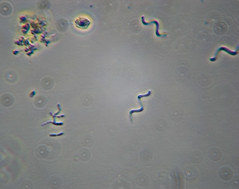
8912002684spirochetesSpiral prokaryotes that are corkscrew-shaped11
8912002685it causes prokaryotes to lose water (and thus inhibits cell reproduction)Why can salt be used to preserve foods?12
8912002686peptidoglycanA polymer composed of modified sugars cross-linked by short polypeptides - found in bacterial cell walls13
8912002687gram stainA technique where scientists can classify many bacterial species into two groups based on differences in cell wall composition (stain, rinse, and stain determines staining response)14
8912002688gram-positive bacteriaBacteria that had simpler walls with relatively large amounts of peptidoglycan - traps crystal violet15
8912002689gram-negative bacteriaBacteria that have less peptidoglycan located between the outer membrane and plasma membrane and are structurally more complex - easily rise out crystal violet16
8912002690gram-negative (lipids in outer layer)Which type of bacteria, gram-positive or gram-negative, are more likely to be toxic?17
8912002691gram-negativeWhich type of bacteria, gram-positive or gram-negative, are more resistant to antibiotics?18
8912002692capsuleA dense and well-defined layer of polysaccharide or protein that surrounds the cell wall of many prokaryotes19
8912002693slime layerPoorly organized layer of polysaccharide or protein that surrounds the cell wall of many prokaryotes20
8912002694to protect against dehydration or the host's immune systemWhat is the purpose of a capsule/slime layer?21
8912002695fimbriaeHairlike appendages that some prokaryotes use to stick to their substrate or one another22
8912002696piliAppendages that pull two cells together prior to DNA transfer from one cell to the other23
8912002697taxisA directed movement toward or away from a stimulus24
8912002698chemotaxisProkaryotes that change their movement pattern in response to chemicals25
8912002699flagellaWhat probably evolved independently in bacteria, archaea, and eukaryotes? (because of different proteins and rotational mechanisms)26
8912002700motor, hook, and filamentWhat are the three main parts of the bacterial flagellum?27
8912002701exaptationA process in which existing structures take on new functions through descent with modification28
8912002702a circular chromosome with fewer proteinsWhat is the typical genome of a prokaryote?29
8912002703nucleoidA region of cytoplasm that appears lighter than the surrounding cytoplasm in electron micrographs where the chromosome is located in prokaryotes30
8912002704plasmidsSmaller rings of independently replicating DNA molecules that usually only carry a few genes31
8912002705binary fissionReproduction where a single prokaryotic cell divides into 2 cells, which then divide more - many prokaryotes can divide every 1-3 hours32
8912002706they are small, they reproduce by binary fission, and they have short generation timesWhat are three key features involved with reproduction in prokaryotes?33
8912002707endosporesCells that lack an essential nutrient produce these - it is a resistant asexual spore that develops inside some bacteria cells (very tough)34
8912002708not in an evolutionary senseAre prokaryotes inferior to humans?35
8912002709they reproduce so fast that even though new mutations are rare, they occur pretty oftenWhy is there so much genetic variation when prokaryotes reproduce asexually?36
8912002710genetic recombinationThe combining of DNA from two sources37
8912002711horizontal gene transferThe movement of genes from one organism to another when individuals are members of different species38
8912002712transformationA process in which the genotype and possibly phenotype are altered by the uptake of foregin DNA39
8912002713recombinantA cell that contains DNA derived from two different cells40
8912002714transductionA process in which bacteriophages carry procaryotic genes from one host cell to another41
8912002715conjugationA process where DNA is transferred between two prokaryotic cells (usually of the same species) that are temporarily joined - always one way42
8912002716F factorA piece of DNA that controls a bacteria's ability to form pili and donate DNA during conjugation (could be a plasmid or within chromosome)43
8912002717F plasmidThe F factor in its plasmid form44
8912002718F+ cellsWhat are cells that have the F factor and function as DNA donors during conjugation called?45
8912002719Hfr cellA cell with the F factor built into its chromosome46
8912002720R plasmidsPlasmids that carry resistance genes (resist antibiotics)47
8912002721phototrophsOrganisms that obtain energy from light48
8912002722chemotrophsOrganisms that obtain energy from chemicals49
8912002723autotrophsOrganisms that need only CO2 in some form as a carbon source50
8912002724heterotrophsOrganisms that need at least one organic nutrient51
8912002725obligate aerobesProkaryotes that need O2 for cellular respiration52
8912002726obligate anaerobesProkaryotes that are poisoned by O253
8912002727anaerobic respirationA process in which substances other than O2, such as nitrate ions or sulfate ions accept electrons at the "downhill" end of the electron transport chain and extract chemical energy54
8912002728facultative anaerobesProkaryotes that us O2 if it is present but also carry out fermentation or anaerobic respiration if needed55
8912002729nitrogen fixationA process where atmosphereic nitrogen is converted to ammonia56
8912002730heterocystsA few speciailized cells in a filament that carry out nitrogen fixation57
8912002731biofilmsSurface-coating colonies of different prokaryotic species - allow nutrients to reach cells in the interior and wastes to be expelled58
8912002732extremophilesArchaea that live in environments so extreme that few other organisms can survive there59
8912002733extreme halophilesExtremophiles that live in highly saline environments60
8912002734extreme thermophilesExtremophiles that thrive in very hot environments61
8912002735DNA does not remain in a double helix and proteins denatureWhy do the cells of most organisms die at hot temperatures?62
8912002736methanogensArchaea that release methane as a byproduct of their unique ways of obtaining energy63
8912002737energy and methane wasteWhat is released when methanogens use CO2 to oxidize H2?64
8912002738proteobacteriaDiverse group of gram-negative bacteria that includes 5 subgroups65
8912002739alpha proteobacteriaA subgroup of proteobacteria that includes bacteria that are closely associated with eukaryotic hosts66
8912002740beta proteobacteriaA subgroup of proteobacteria that is nutrionally diverse and contains soil bacteria67
8912002741epsilon proteobacteriaA subgroup of proteobacteria that is mostly pathogenic to humans and other animals68
8912002742chlamydiasParasites that can only survive within animal cells, are gram-negative, and cause a lot of common diseases69
8912002743cyanobacteriaPhotoautotrophs with plantlike, oxygen-generating photosynthesis70
8912002744decomposersChemoheterotrophic prokaryotes that break down dead organisms as well as waste products71
8912002745symbiosisAn ecological relationship in which two species live in close contant with each other72
8912002746mutualismAn ecological interaction between two species in which both benefit73
8912002747commensalismAn ecological relationship in which one species benefits while the other is not harmed or helped in any significant way74
8912002748parasitismAn ecological relationship in which a parasite eats the cell contents, tissues, or body fluids of its hosts (harm but usually don't kill)75
8912002749pathogensParasites that cause disease76
8912002750exotoxinsPoisionous proteins secreted by certain bacteria and other organisms77
8912002751endotoxinsLipopolysaccharide components of the outer membrane of gram-negative bacteria that are released only when the bacteria die and their cell walls break down78
8912002752bioremediationThe use of organisms to remove pollutants from soil, air, or water79

AP Biology Unit 4.1: Discovery of DNA Flashcards

Terms : Hide Images
9000378439DNAnucleic acid that makes up your genetic code; located in the nucleus of cell0
9000378440Genessegments of DNA that code for proteins, thus determining our various traits and allowing us to pass on heritable traits from generation to generation1
9000378441Frederick GriffithBritish medical officer who studied the bacterium that causes pneumonia; discovered bacterial transformation via an experiment that involved injecting mice with smooth S cells, rough R cells, heat-killed S cells, and heat-killed S cells with living R cells.2
9000378442R-strain bacteriaStrain of Streptococcus pneumoniae that does not cause pneumonia (you'll be R RIGHT if infected by this one)3
9000378443S-strain bacteriaStrain of Streptococcus pneumoniae that causes pneumonia (it would be SO BAD to be infected by this one)4
9000378444Transforming principleName that Griffith gave to the factor that turned harmless R-strain bacteria into virulent S-strain bacteria when dad S-strain bacteria were mixed with living R-strain bacteria.5
9000378445Bacterial transformationThe ability of bacteria to take up DNA from another bacterial cell and incorporate it into their own genome. Discovered by Griffith in his experiments on the bacterium that causes pneumonia.6
9000378446Oswald AveryVerified Griffith's experiment. He used specific enzymes to see which macromolecule, if destroyed, would not cause death in the mouse. Found that DNA that had been broken down would not cause death.7
9000378447Hershey and ChaseThe two scientists who wanted to determine which part of a bacteriophage virus entered a bacterial cell: the DNA or the protein coat. They made the proteins radioactive, and the radioactivity was NOT injected into the cell. They made the DNA radioactive, and the radioactivity WAS injected into the cell.8
9000378448BacteriophageA virus that infects bacteria9
90003784491953Year that Watson and Crick published the structure of DNA.10
9000378450James Watson and Francis CrickScientists that are given credit for establishing the structure of the DNA molecule as a double-helix.11
9000378451Rosalind FranklinBritish scientist who used a technique called X-ray diffraction to get information about the structure of the DNA molecule; Watson and Crick used her photo without her permission to develop their model of the structure of DNA.12
9000378452Maurice WilkinsWorked alongside Rosalind Franklin on taking photographs of DNA using X-ray diffraction; showed Franklin' image to Watson and Crick without her permission.13
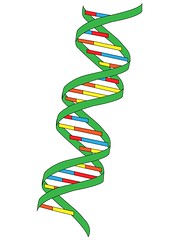
9000378453Double HelixThe twisted ladder structure of DNA.14
9000378454X-Ray CrystallographyA technique that depends on the diffraction of an X-ray beam by the individual atoms of a crystallized molecule to study the three-dimensional structure of the molecule; used by Franklin to study the structure of DNA15

AP Biology Unit 1 Water Flashcards

A review of all of the Campbell 7th Edition terms for the new 2013 AP Biology Curriculum

Terms : Hide Images
4849523732nonpolarNo partial charges. Do not mix with water.0
4849523733electronegativityAttraction of an atom for electrons in a covalent bond.1
4849523734cohesionWater molecules sticking to each other.2
4849523735adhesionWater molecules sticking to other surfaces.3
4849523736soluteSomething dissolved in a solution.4
4849523737solventDissolving agent of a solution.5
4849523738capillary actionA process powered by adhesion that causes water molecules to move upward through a narrow tube such as the stem of a plant.6
4849523739Heat capacity/specific heatthe amount of thermal energy that must be absorbed or lost to change the temperature of a substance or object by 1oC7
4849523740surface tensionAn inward force that tends to minimize the surface area of a liquid; it causes the surface to behave as if it were a thin skin8
4849523741heat of vaporizationThe amount of energy required for the liquid at its boiling point to become a gas9
4849523742heat of fusionthe amount of energy required to change a substance from the solid phase to the liquid phase at its melting point10
4849523743thermal conductivitythe rate at which a substance transfers thermal energy11
4849523744hydrophobicinsoluble in water12
4849523745hydrophilichaving a tendency to mix with, dissolve in, or be wetted by water.13
4849523746covalent bondsBonds created by sharing electrons with other atoms.14
4849523747ionic bondsBonds between atoms that form by transferring electrons15
4849523748hydrogen bondsVery weak bonds; occurs when a hydrogen atom in one molecule is attracted to the electrostatic atom in another molecule16
4849523749polar covalent bondA covalent bond between atoms that differ in electronegativity. The shared electrons are pulled closer to the more electronegative atom, making it slightly negative and the other atom slightly positive.17
4849523750ionsCharged atoms18
4849523751cationsPositively charged ions19
4849523752anionsNegatively charged ions20
4849523753acidA substance that increases the hydrogen ion concentration of a solution.21
4849523754baseA substance that decreases the hydrogen ion concentration in a solution.22
4849523755alkalinea basic substance; chemically, a substance that absorbs hydrogen ions or releases hydroxyl ions; in reference to natural water, a measure of the base content of the water.23
4849523756pH scalemeasurement system used to indicate the concentration of hydrogen ions (H+) in solution; ranges from 0 to 14. O is most acidic + and 14 is most basic + or alkaline.24
4849523757bufferA solution that minimizes changes in pH when extraneous acids or bases are added to the solution.25
4849523758transpirationThe process by which water is lost through a plant's leaves26
4849523759evaporative coolingThe process in which the surface of an object becomes cooler during evaporation, owing to a change of the molecules with the greatest kinetic energy from the liquid to the gaseous state.27
4849523760temperatureA measure of the average energy of motion of the particles of a substance.28
4849523761hydration shellThe sphere of water molecules around each dissolved ion29
4849523762molarityA common measure of solute concentration, referring to the number of moles of solute per liter of solution.30
4849523763hydrogen ionsH+, acids31
4849523764hydroxide ionsOH-, bases32
4849523765ocean acidificationincrease in acidity (decrease in pH) of ocean water due to increased uptake of CO2 from atmosphere forming carbonic acid (H2CO3)33
4849523766acid precipitationConversion of sulfur oxides and nitrogen oxides to acids that return to earth as rain,snow, or fog.34
4849523767dataFacts, figures, and other evidence gathered through observations.35
4849523768inductive reasoningA type of logic in which generalizations are based on a large number of specific observations.36
4849523769hypothesisA proposed, scientifically testable explanation for an observed phenomenon.37
4849523770theoryA broad explanation of natural events that is supported by strong evidence.38
4849523771LawAn observation that happens every time under a certain set of conditions39
4849523772deductive reasoningreasoning in which a conclusion is reached by stating a general principle and then applying that principle to a specific case (The sun rises every morning; therefore, the sun will rise on Tuesday morning.)40
4849523773controlled experimentAn experiment in which only one variable is manipulated at a time.41
4849523774independent variableThe experimental factor that is manipulated; the variable whose effect is being studied.42
4849523775dependent variableThe outcome factor; the variable that may change in response to manipulations of the independent variable.43

Pages

Subscribe to CourseNotes RSS

Need Help?

We hope your visit has been a productive one. If you're having any problems, or would like to give some feedback, we'd love to hear from you.

For general help, questions, and suggestions, try our dedicated support forums.

If you need to contact the Course-Notes.Org web experience team, please use our contact form.

Need Notes?

While we strive to provide the most comprehensive notes for as many high school textbooks as possible, there are certainly going to be some that we miss. Drop us a note and let us know which textbooks you need. Be sure to include which edition of the textbook you are using! If we see enough demand, we'll do whatever we can to get those notes up on the site for you!